
While the world looks away, South Sudan is experiencing one of the most severe humanitarian crises of our time. Tens of thousands of people, mostly women, children, and the elderly, are trapped in the swamps of Jonglei State without food, clean water, or medical care. The testimony of Nyaluat Tut, a mother of two, is a cry of pain that reaches us: "We are exhausted. Only God can help us."
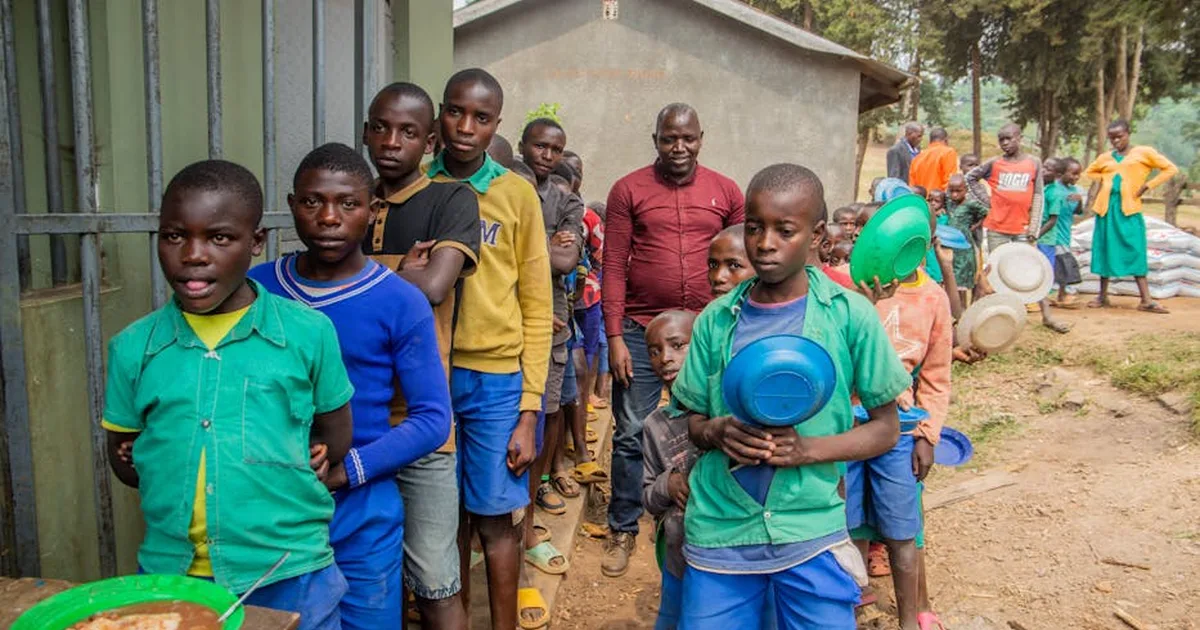
According to Doctors Without Borders, more than 58 people have died in the last four weeks in the Nyatim area, many of them children killed by dysentery and malaria. The situation is worsened by local authorities blocking humanitarian aid, leaving the population at the mercy of hunger and disease.
"Blessed are those who hunger and thirst for righteousness, for they will be filled." (Matthew 5:6, NIV)
This beatitude resonates as a promise and a warning: the righteousness that satisfies is not only spiritual but also the one that brings bread and medicine to those in need. As Christians, we are called not to look away.
Flight from Violence and the Struggle to Survive
The violence that erupted in March in the towns of Lankien and Pieri forced thousands to flee to the Nyatim swamp, where they have set up camp in inhumane conditions. Nyaluat recounts: "We survive by eating roots and leaves. We gather water lilies from the swamps, but if they find you there, you can be killed."
The fear of armed gangs, lack of shelter, and absence of health facilities make every day a fight for life. "If you get sick, death is near," says Nyaluat. The hospital in Lankien has been destroyed, and there are no alternatives. Many die on the way to safer places, and children are the most vulnerable.
The Role of the International Community
Doctors Without Borders is calling for an urgent and coordinated response, but so far appeals have gone unheard. The international community seems to have forgotten South Sudan, mired in a civil war that has lasted for years. As Christians, we have a duty to keep attention on this crisis and support organizations providing relief.
"Suppose a brother or a sister is without clothes and daily food. If one of you says to them, 'Go in peace; keep warm and well fed,' but does nothing about their physical needs, what good is it?" (James 2:15-16, NIV)
Faith without works is dead. We cannot limit ourselves to words of comfort but are called to act, through prayer and concrete gestures of solidarity.
A Call to Prayer and Action
In the face of such suffering, our response cannot be merely emotional. Pope Francis, before his passing, repeatedly invited us to pray for peace in South Sudan. Now the new Pope, Leo XIV, continues to urge the international community not to abandon this suffering people.
We can make a difference: inform ourselves, talk about this crisis, support humanitarian organizations working on the ground with donations. And above all, pray. Prayer is not a fallback but a powerful tool of intercession and change.
Let us pray for Nyaluat and all those who, like her, struggle every day to survive. Let us pray that the leaders of South Sudan and the region choose the path of peace. And let us pray that our hearts open to compassion and action.
Final Reflection
What can we do today, concretely, to be close to our brothers and sisters in South Sudan? Perhaps we cannot go there, but we can choose not to forget. We can dedicate a moment of our day to pray for them, we can share their story, we can contribute with a small act of charity.





Comments