
In the heart of the Philippines, an extraordinary woman wrote a story of compassion with her hands and her faith that continues to inspire millions. Sister Eva Fidela Maamo, a religious sister and surgeon, passed away on April 14th, leaving behind a tangible legacy of love that transformed countless lives. For 85 years, this servant of God demonstrated that medicine and spirituality can walk hand in hand to alleviate human suffering.
Her vocation was no accident, but a response to a divine call that resonated in her heart from a young age. As the apostle James reminds us: "Religion that God our Father accepts as pure and faultless is this: to look after orphans and widows in their distress and to keep oneself from being polluted by the world" (James 1:27, NIV). Sister Eva embodied this verse every day of her ministry, seeing in each patient not just a body to heal, but a soul to welcome.
The extraordinary nature of her testimony lies in how she overcame material limitations with unlimited creativity and trust in divine providence. In regions where electricity was a luxury and medical resources were scarce, she found solutions where others saw impossibilities. Her story invites us to reflect: how do we respond when resources seem insufficient to fulfill what God calls us to do?
Innovation Inspired by Faith in Contexts of Scarcity
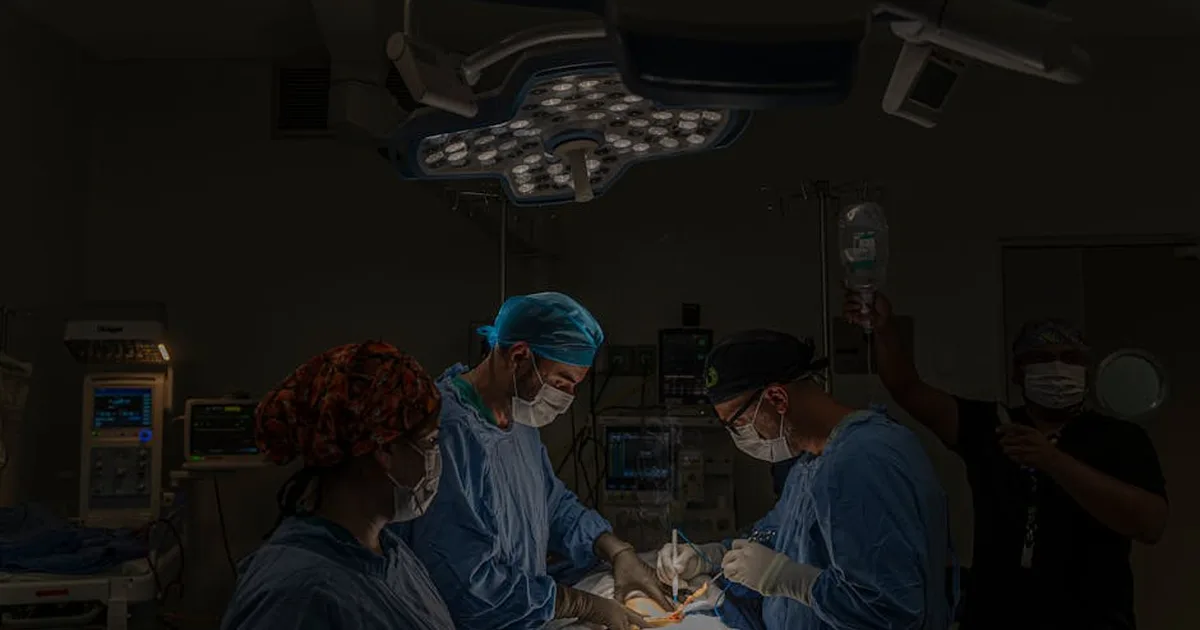
Imagine performing complex surgeries with a simple flashlight as the only source of light. Visualize sterilizing medical instruments with coconut water when there is no alcohol or autoclaves available. For Sister Eva, these were not movie scenes, but her daily reality during decades of service in marginalized communities. Her ingenuity, fueled by unshakable faith, saved thousands of lives that otherwise would have succumbed to treatable diseases.
This ability to see possibilities where others see limitations reminds us of Jesus' words: "Everything is possible for one who believes" (Mark 9:23, NIV). Sister Eva did not stop at the lack of modern equipment; rather, she saw in every available resource a tool blessed by God to fulfill her mission. Her example challenges our tendency to wait for ideal conditions before acting in service to others.
Her medical ministry developed mainly in:
- Hard-to-reach rural areas in the Philippines
- Indigenous communities with limited health services
- Areas affected by extreme poverty
- Places where other doctors did not want to settle
Human Recognition, Divine Humility
In 1997, her exceptional work received recognition with the Ramon Magsaysay Award, considered the Asian equivalent of the Nobel Prize. This award honors individuals and organizations that transform their societies through extraordinary service. However, those who knew Sister Eva testify that she never sought human honors; her greatest satisfaction was seeing a recovered patient, a relieved family, a strengthened community.
Her humility reflects Jesus' teaching: "So when you give to the needy, do not announce it with trumpets, as the hypocrites do in the synagogues and on the streets, to be honored by others" (Matthew 6:2, NIV). Although the award gave international visibility to her work, she remained the same religious sister committed to the poor, using the platform not to exalt herself, but to advocate for better conditions for marginalized communities.
The recognition also allowed her model of compassion-based healthcare to inspire new generations of Christian health professionals. Many young Filipino doctors and nurses found in her example the motivation to serve in underserved areas, understanding that true healing involves both body and spirit.





Comments