
On April 28, 2025, the First Panel of the Brazilian Supreme Court (STF) accepted charges against pastor Silas Malafaia, making him a defendant for defamation against Army Commander Tomás Paiva. The statements were made during a political rally on Avenida Paulista in São Paulo earlier that month. Malafaia, known for his controversial social media presence, called the process political persecution and questioned the privileged jurisdiction of the STF.
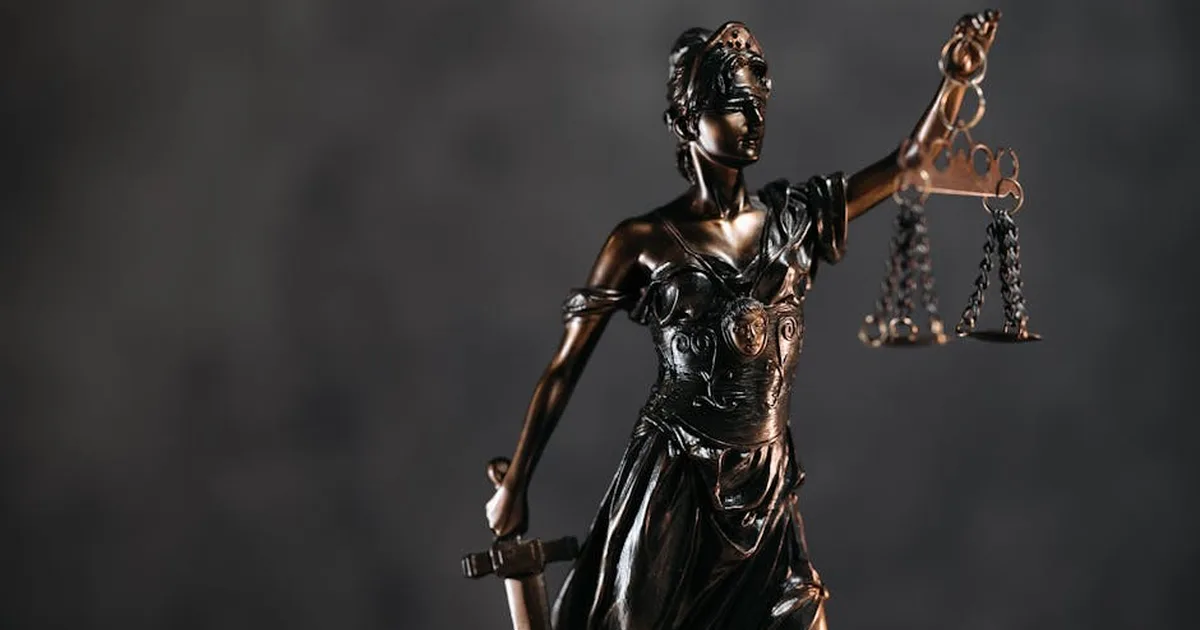
The case reignites debates about the limits of free speech for religious leaders and the role of the church in political matters. For many Christians, the situation raises questions: How far can a pastor speak without crossing legal boundaries? And how does the Bible guide us in the face of accusations and persecution?
In this article, we will examine the events from a biblical perspective, reflecting on justice, responsibility, and faith in times of controversy.
What Does the Bible Say About Justice and Respect for Authorities?
God's Word is clear about respecting governing authorities. In Romans 13:1-2, we read: "Let everyone be subject to the governing authorities, for there is no authority except that which God has established. The authorities that exist have been established by God. Consequently, whoever rebels against the authority is rebelling against what God has instituted, and those who do so will bring judgment on themselves" (NIV). This does not mean Christians cannot question injustice, but they must do so respectfully and within the law.
In Malafaia's case, the charges involve defamation, a crime against honor. The Bible warns us about the power of words: "The tongue has the power of life and death, and those who love it will eat its fruit" (Proverbs 18:21, NIV). Jesus also taught about not judging and treating others as we wish to be treated (Matthew 7:12).
This does not mean Christian leaders should remain silent about injustice. On the contrary, prophets like Elijah and John the Baptist confronted kings and authorities when necessary. However, the difference lies in the manner: the Bible calls us to speak the truth in love (Ephesians 4:15), not with insults or words that harm others' honor.
Political Persecution or Legal Consequences?
Malafaia claims political persecution, and many Christians stand with him, recalling Jesus' words: "Blessed are you when people insult you, persecute you and falsely say all kinds of evil against you because of me" (Matthew 5:11, NIV). Indeed, persecution is a reality for many Christians worldwide. However, it is important to discern whether this situation fits that context.
The apostle Peter instructs us: "If you suffer for doing good and you endure it, this is commendable before God" (1 Peter 2:20, NIV). But he also warns: "If you suffer, it should not be as a murderer or thief or any other kind of criminal, or even as a meddler" (1 Peter 4:15, NIV). In other words, not all suffering is persecution for faith; sometimes it is a consequence of our own actions.
As Christians, we are called to be peacemakers (Matthew 5:9) and to seek justice, but also to act with wisdom and integrity. The apostle Paul, even when unjustly imprisoned, maintained a respectful attitude toward authorities and used legal resources when necessary (Acts 22:25-29).
Faced with this case, the Christian community is challenged to reflect on how to balance defending faith with obeying the law. The Bible teaches us to pray for those in authority (1 Timothy 2:1-2) and to live at peace with everyone (Romans 12:18).
The Role of the Pastor in Society
Pastors and religious leaders have significant influence over their followers. Therefore, the Bible sets high standards for those who teach: "Not many of you should become teachers, my fellow believers, because you know that we who teach will be judged more strictly" (James 3:1, NIV). A pastor's responsibility is great, and their words carry weight. In times of controversy, it is crucial to remember that our conduct should reflect Christ's character.
The Christian community is called to pray for its leaders and to discern each situation wisely. In the end, God's justice is perfect, and He will judge righteously. As Psalm 37:28 says: "For the Lord loves the just and will not forsake his faithful ones. They will be protected forever" (NIV). May this reflection lead us to seek truth, act in love, and trust in the Lord at all times.





Comments