
At the heart of the Christian faith, the image of the Good Shepherd invites us to reflect on the kind of leadership God desires for his people. Jesus Christ, the true Shepherd, not only guides but also lays down his life for the sheep. This total self-giving is the standard by which all spiritual leaders should be evaluated. In a world where many present themselves as guides, it is essential to discern who truly follows the Master's example.
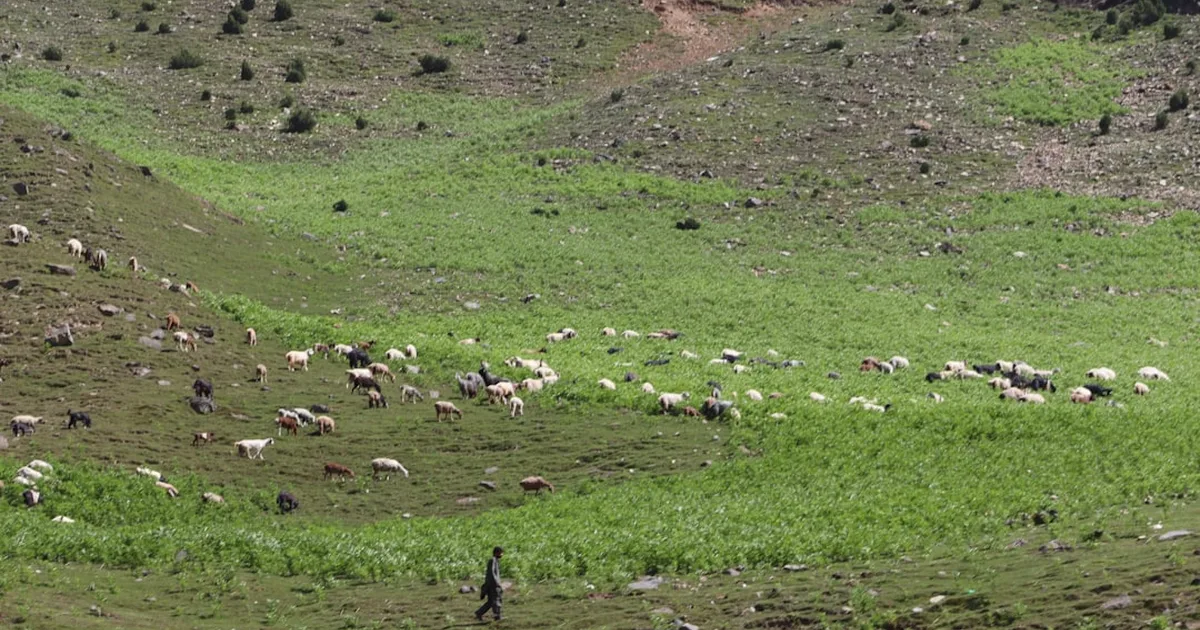
"I am the good shepherd. The good shepherd lays down his life for the sheep." (John 10:11, NIV)
The shepherd metaphor is not merely poetic; it carries deep theological and practical meaning. The shepherd knows his sheep, and they know him. This relationship of intimacy and trust is the foundation of a healthy community. When a leader drifts from this model, the flock suffers. Therefore, we need to learn to recognize the signs of genuine shepherding.
The Dangers of Bad Shepherds
Unfortunately, not everyone in leadership positions has the heart of the Good Shepherd. The Bible repeatedly warns about those who shepherd themselves instead of caring for the flock. Ezekiel 34 is an entire chapter dedicated to denouncing the shepherds of Israel who fed on the milk of the sheep, clothed themselves with their wool, and slaughtered them, but did not care for them.
Bad shepherds are those who seek power, prestige, or financial gain. They manipulate, control, and exploit the trust of believers. Often, their message is distorted to serve their own interests. The apostle Peter also warned church leaders: "Be shepherds of God's flock that is under your care, watching over them—not because you must, but because you are willing, as God wants you to be; not pursuing dishonest gain, but eager to serve" (1 Peter 5:2, NIV).
Warning Signs
- Excessive focus on money and material blessings.
- Lack of transparency in resource management.
- Discouragement of questions or criticism.
- Self-exaltation instead of pointing to Christ.
- Neglect of the needy and vulnerable.
Recognizing these signs is not about judging but about protecting the faith and integrity of the community. The Bible calls us to be wise as serpents and innocent as doves (Matthew 10:16).
False Shepherds: Deceivers in Disguise
Beyond bad shepherds, there are those who are false. They not only fail to care but actively deceive. Jesus warned: "Watch out for false prophets. They come to you in sheep's clothing, but inwardly they are ferocious wolves" (Matthew 7:15, NIV). These leaders distort the Gospel to promote heresies or strange doctrines.
False shepherds often have a form of godliness but deny its power (2 Timothy 3:5). They may be charismatic and eloquent, but their fruit reveals the truth. The apostle John instructed: "Dear friends, do not believe every spirit, but test the spirits to see whether they are from God" (1 John 4:1, NIV).
Spiritual discernment is an indispensable tool for the flock. Prayer, study of the Word, and fellowship with mature believers help us identify those who distort the truth. Remember: the true shepherd always points to Jesus, not to himself.
How to Be a Good Shepherd Today
Although not everyone is called to formal pastoral ministry, all Christians are called to shepherd one another. In a broad sense, shepherding means caring, guiding, and protecting. Parents shepherd children, small group leaders shepherd members, and friends shepherd friends. The principle is the same: sacrificial love and humble service.
Paul exhorts church leaders in Ephesus: "Keep watch over yourselves and all the flock of which the Holy Spirit has made you overseers. Be shepherds of the church of God, which he bought with his own blood" (Acts 20:28, NIV). This responsibility should not be taken lightly. Being a shepherd is a sublime calling that requires integrity, humility, and a deep love for people.
In a world longing for authentic leaders, the church needs men and women who reflect the heart of the Good Shepherd. May each of us, in the place where God has put us, seek to shepherd with love and dedication, following the example of the One who laid down his life for his sheep.





Comments