
Every year, as spring turns to summer, Americans pause to remember the men and women who died while serving in the country's armed forces. Memorial Day is more than a long weekend or the unofficial start of vacation season. It is a sacred moment to honor the ultimate sacrifice made by so many. For Christians, this day also carries deep spiritual meaning. It calls us to reflect on the nature of sacrifice, the cost of freedom, and the example of Christ, who gave His life for the world.
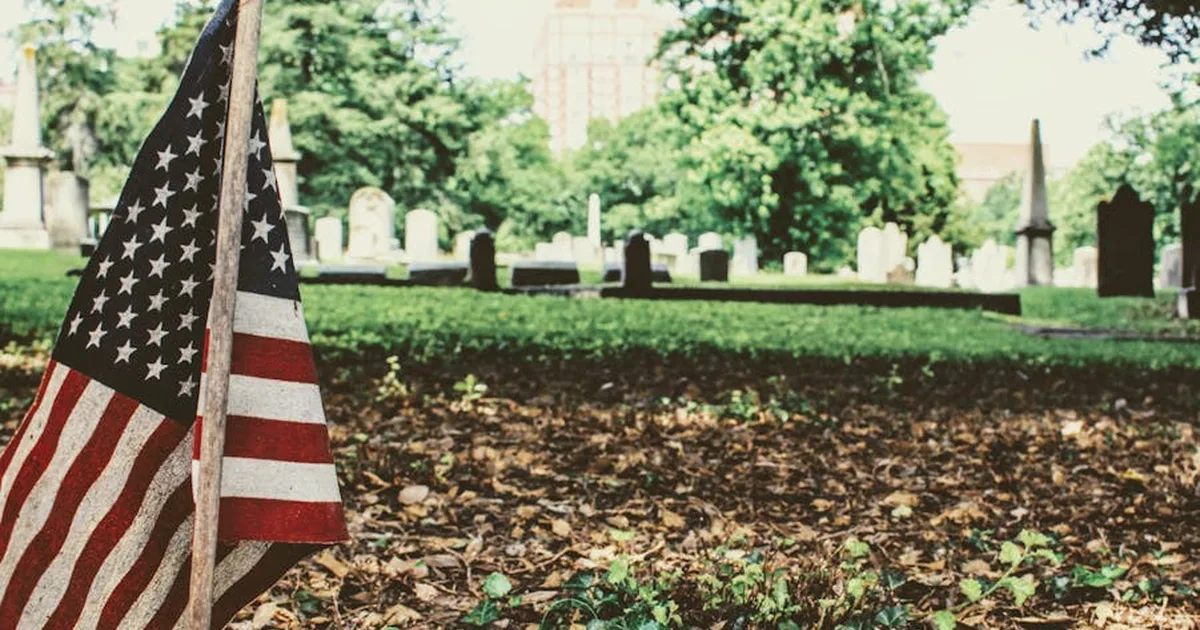
The Bible teaches us that there is no greater love than to lay down one's life for one's friends (John 15:13). This principle resonates powerfully on Memorial Day. The service members we honor did not die for abstract ideals alone. They died for real people: their families, their neighbors, their fellow citizens. Their sacrifice echoes the self-giving love that lies at the heart of the Gospel.
As we gather at cemeteries and memorials, we are reminded that freedom is never free. It is purchased with blood and tears. This truth is not only political but deeply spiritual. Our salvation was purchased by the blood of Christ, and our national freedoms have been secured by the sacrifices of countless brave souls.
Lincoln's Gettysburg Address and the Call to Devotion
Abraham Lincoln's Gettysburg Address remains one of the most powerful reflections on sacrifice in American history. In just a few minutes, Lincoln transformed a cemetery dedication into a meditation on the meaning of devotion. He spoke of soldiers who gave "the last full measure of devotion" so that the nation might have a new birth of freedom.
Lincoln's words remind us that sacrifice is not just about loss. It is about purpose. The soldiers at Gettysburg died for a cause greater than themselves: the preservation of the Union and the hope of a more just society. As Christians, we too are called to devote ourselves to a cause greater than our own comfort. The Apostle Paul writes, "Therefore, I urge you, brothers and sisters, in view of God's mercy, to offer your bodies as a living sacrifice, holy and pleasing to God—this is your true and proper worship" (Romans 12:1).
The Biblical Concept of Devotion
In Scripture, devotion is not a vague feeling but a concrete commitment. It involves faithfulness, loyalty, and a willingness to put God's purposes above our own. The Psalms are filled with expressions of devotion: "I will praise you, Lord, with all my heart; I will tell of all your wonderful deeds" (Psalm 9:1). This kind of wholehearted devotion mirrors the sacrifice of those who gave everything for their country.
Devotion also means perseverance. The writer of Hebrews encourages us to "run with perseverance the race marked out for us, fixing our eyes on Jesus, the pioneer and perfecter of faith" (Hebrews 12:1-2). Like the soldiers who endured hardship for a cause, we are called to endure in our faith, looking to Christ as our ultimate example.
Faith and Freedom: A Christian Perspective
For many Christians, Memorial Day is also a time to reflect on the relationship between faith and freedom. The freedom we enjoy in the United States is a gift from God, but it comes with responsibility. The Apostle Peter writes, "Live as free people, but do not use your freedom as a cover-up for evil; live as God's slaves" (1 Peter 2:16). Our freedom is meant to be used for good, to serve others, and to honor God.
The sacrifices of our military men and women remind us that freedom requires vigilance. In the same way, our spiritual freedom in Christ requires us to stand firm. Paul exhorts us, "It is for freedom that Christ has set us free. Stand firm, then, and do not let yourselves be burdened again by a yoke of slavery" (Galatians 5:1).
Prayer for Those Who Serve
One practical way to observe Memorial Day is through prayer. We can pray for the families of the fallen, for current service members, and for our nation's leaders. We can also pray that God would give us the courage to live lives worthy of the sacrifices made on our behalf. As Paul writes, "I urge that petitions, prayers, intercession and thanksgiving be made for all people—for kings and all those in authority" (1 Timothy 2:1-2).
Prayer connects us to the heart of God and reminds us that we are part of a larger story. It also helps us to cultivate gratitude for the freedoms we often take for granted.
Living a Life of Sacrifice
While most of us will never be called to die for our country, we are all called to live sacrificially. Jesus said, "Whoever wants to be my disciple must deny themselves and take up their cross daily and follow me" (Luke 9:23). This daily dying to self is the Christian's way of honoring the ultimate sacrifice of Christ.
Living sacrificially means putting others first, serving our communities, and using our gifts for the common good. It means forgiving those who wrong us, caring for the poor, and speaking up for justice. These small, daily sacrifices are the building blocks of a life devoted to God.
Greater love has no one than this: to lay down one's life for one's friends. — John 15:13 (NIV)
This verse is often quoted on Memorial Day, and rightly so. But it also challenges us to examine how we live. Are we willing to lay down our time, resources, and comfort for the sake of others? The example of Christ and the example of our fallen heroes call us to a higher standard.
Reflection and Action
As you observe Memorial Day, take a moment to reflect on the sacrifices that have shaped your life. Thank God for the men and women who gave their lives for your freedom. Then, ask yourself: How can I live more sacrificially? What is one step I can take this week to put others first?
Consider visiting a local veterans' memorial, writing a thank-you note to a military family, or donating to an organization that supports veterans. These small acts of gratitude can make a big difference. Most importantly, let Memorial Day be a reminder of the greatest sacrifice of all—the death and resurrection of Jesus Christ, which offers us eternal freedom.





Comments