
Amidst the complex realities unfolding in different parts of the world, we have recently learned of an event that has touched many faith communities. Circulating images show an Israeli soldier damaging a representation of Jesus in southern Lebanon, a situation confirmed by the relevant authorities. Beyond the specific circumstances of the conflict, this moment invites us to deeply consider how we treat symbols that are sacred to others.
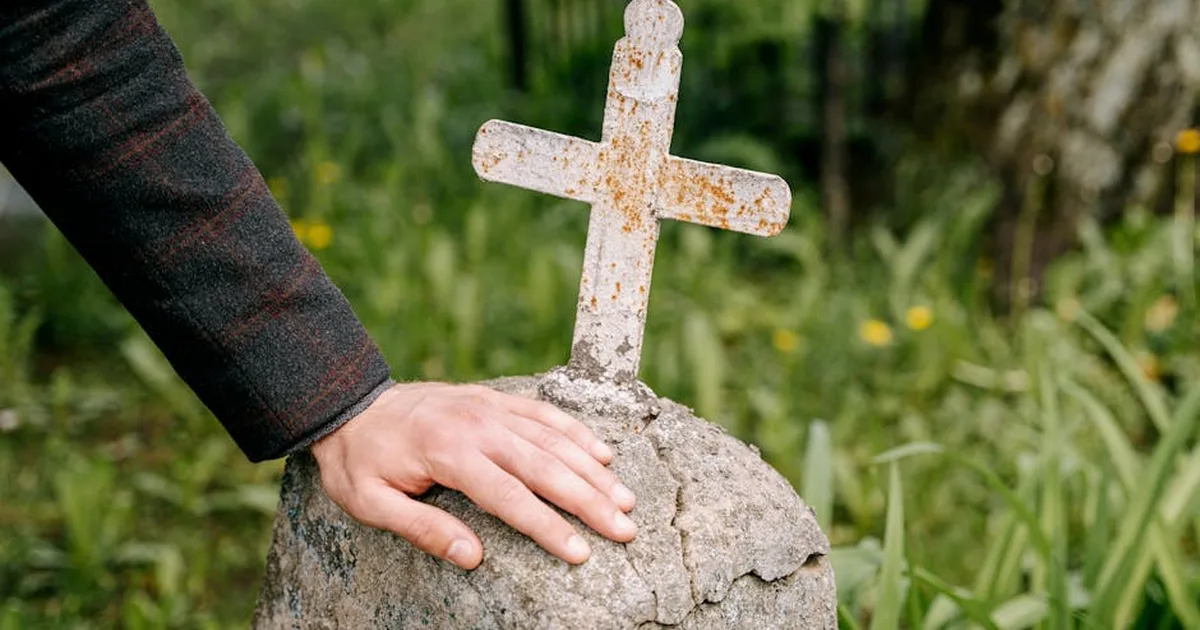
As Christians, we know our faith transcends material objects, but we also recognize that certain symbols hold profound spiritual and cultural value for millions. The Bible teaches us in 1 Peter 2:17 (NIV): "Show proper respect to everyone, love the family of believers, fear God, honor the emperor." This principle of mutual respect is foundational to our shared humanity, especially in contexts marked by religious and cultural differences.
Pope Leo XIV, in his recent ecumenical message, has emphasized the importance of interreligious dialogue and respect for the beliefs of others. His call to build bridges rather than walls resonates powerfully in situations where tension might lead us to actions we later regret.
The Significance of Symbols in Our Faith
Why do religious symbols carry such weight? For Christians, images of Jesus are not idols we worship, but representations that help us connect with the person of Christ. They remind us of his sacrifice, his love, and his teachings. As Colossians 1:15 (NIV) says: "The Son is the image of the invisible God, the firstborn over all creation." Jesus himself is the perfect image of God, and our artistic representations seek to reflect, within human limits, that divine reality.
In Christian tradition, religious art has served as:
- A teaching tool for those who could not read
- A means of contemplation and prayer
- An expression of devotion and creativity inspired by faith
- A bridge between the divine and the human
When we damage these symbols, we do not merely destroy a material object; we wound the feelings of those who find deep spiritual meaning in them. The apostle Paul reminds us in Romans 14:13 (NIV): "Therefore let us stop passing judgment on one another. Instead, make up your mind not to put any stumbling block or obstacle in the way of a brother or sister."
Responding from Our Christian Identity
When faced with situations that cause us pain or outrage, how should we respond as followers of Christ? The temptation might be to react with anger or condemnation, but Jesus offers us a different path. In the Sermon on the Mount, he teaches: "You have heard that it was said, 'Love your neighbor and hate your enemy.' But I tell you, love your enemies and pray for those who persecute you" (Matthew 5:43-44, NIV).
This radical teaching challenges us especially in contexts of conflict. It does not mean we should remain indifferent to actions we consider wrong, but that our response must be guided by love and the pursuit of reconciliation. Pope Francis, whose legacy of dialogue and encounter we continue to value, often said that "dialogue is what makes us human" and that "the culture of encounter is the only one capable of building a better future."
As a Christian community, we can:
- Pray for all those involved in situations of conflict
- Promote mutual respect within our own communities
- Educate about the importance of religious symbols for different faith traditions
- Be agents of reconciliation wherever we find ourselves
Building Bridges in a Divided World
The current conflicts in various regions of the world show us





Comments