
In recent weeks, several communities in the province of Frosinone have been experiencing moments of particular suffering. In various locations, including the capital of Ciociaria, acts of vandalism have been committed against places of worship and religious symbols dear to popular devotion. These incidents, which have involved Marian statues and images of saints, have left a deep mark on the hearts of the faithful who gather daily in prayer in these sacred spaces.
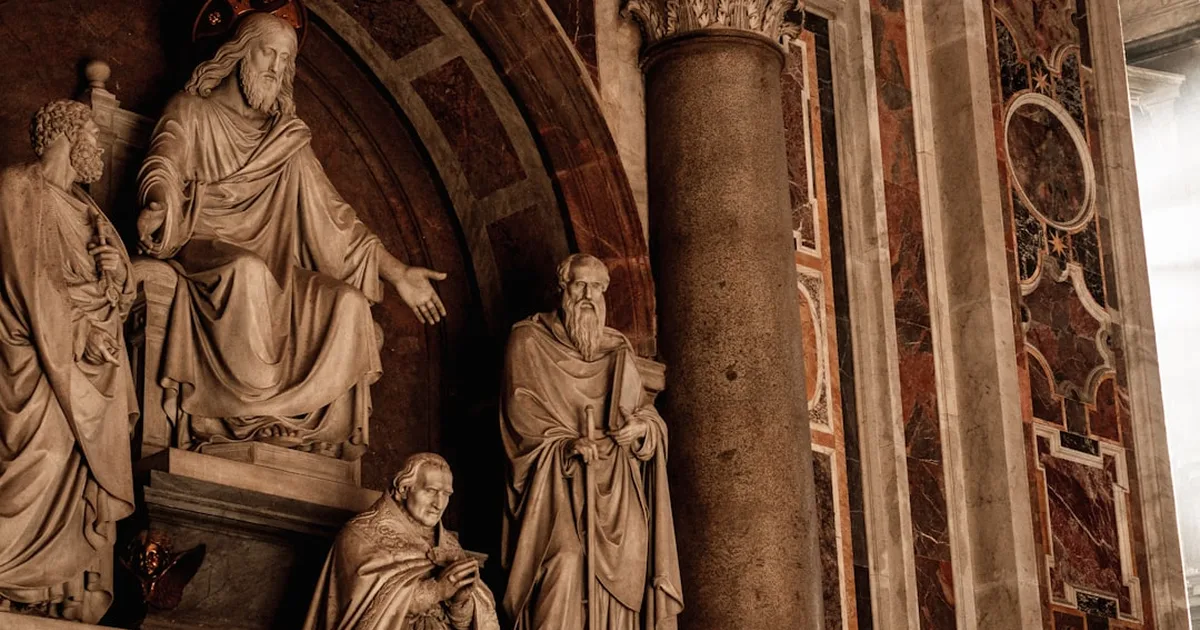
While competent authorities conduct their investigations to shed light on what happened, Christian communities find themselves confronting conflicting emotions: pain for the violation of cherished places, concern for security, but also a desire to respond with faith and hope. In moments like these, it's important to remember that our identity as believers is not founded on material structures, but on a living relationship with God.
Archbishop Santo Marcianò, leading the dioceses of Frosinone and Anagni-Alatri, has expressed his pastoral closeness to the faithful through a letter inviting prudence, vigilance, and above all prayer. This approach reflects an ecclesial wisdom that knows how to unite concrete attention for the security of sacred places with the spiritual perspective that looks beyond immediate circumstances.
The Community's Response: Between Vigilance and Hope
Faced with situations that disturb the serenity of communities, the temptation to react with fear or resentment can be strong. However, Christian tradition offers us valuable tools to face times of testing. The vigilance recommended by ecclesiastical authorities is not simply a security measure, but takes on deeper meaning in light of the Gospel.
Jesus himself invites us to vigilance when he says:
"Watch and pray so that you will not fall into temptation" (Matthew 26:41, NIV). This spiritual vigilance translates into renewed attention to safeguarding not only buildings, but especially the values they represent: the faith, hope, and charity that animate our communities.
Collaboration with law enforcement, suggested by the archbishop, represents a concrete expression of that civic responsibility that forms an integral part of Christian witness in the world. Reporting suspicious situations with discretion and respect is not an act of distrust, but of love for the community and for the places that preserve the memory of our faith.
The Meaning of Images in Christian Tradition
The statues and images affected by these acts of vandalism are not mere decorative objects for believers. They represent a visible bridge to the invisible world of faith, helping to focus prayer and remember the example of those who walked before us on the path of the Gospel. Christian tradition, especially in Catholic and Orthodox expressions, has always valued the role of images as "books for the illiterate," according to the beautiful expression of Saint John of Damascus.
When a sacred image is damaged, it's not just the material that is offended, but especially the spiritual meaning that image represents for the community. However, it's important to remember that our faith does not depend on these material supports. As Paul writes:
"For we live by faith, not by sight" (2 Corinthians 5:7, NIV). Images help us on our journey, but the foundation remains our personal relationship with Christ.
Building Bridges Amid Diverse Reactions
In situations like those being experienced by the communities of Ciociaria, diverse reactions may emerge among believers. Some might feel anger, others fear, others still a sense of vulnerability. Pastoral wisdom consists of welcoming these different emotions without judgment, creating spaces where they can be expressed in a context of faith and communion.
Respectful dialogue within the Christian community is essential in these moments. Listening to one another, sharing our concerns and hopes, can help us find common paths to respond to these challenges. Unity doesn't mean uniformity of feelings, but the ability to walk together despite differences.
In this context, communal prayer takes on special value. Gathering to pray not only strengthens bonds between believers, but also renews trust in God's presence amid difficulties. As Pope Leo XIV reminds us in his recent message: "In times of testing, the community that prays together finds strength to transform pain into active hope."
The experience of these communities invites us to reflect on how we safeguard our sacred spaces and how we keep faith alive amid challenges. Every Christian community, anywhere in the world, can find in these events an opportunity to strengthen its commitment to Gospel values and to the care of places where faith is celebrated and lived.





Comments