
In the heart of southern Lebanon, in the community of Debel, an incident occurred that deeply touched the sensitivity of many believers. In a context already marked by tensions, the destruction of a statue of Jesus Crucified sparked a wave of grief and reflection. This locality, inhabited mainly by Maronite Christians, is located in a border area where difficult geopolitical dynamics persist.

Despite the complex circumstances, residents have chosen to remain in their homes, seeking to protect the community's heritage as much as possible. Their daily presence represents a silent testimony of attachment to the land and traditions. In this context, the violation of a place of prayer takes on particularly profound meaning.
Reactions and the Path Toward Healing
The event received condemnations from various quarters, including political and religious authorities. Particularly significant was the stance of the Assembly of Catholic Ordinaries of the Holy Land, which expressed deep concern about what happened. The bishops' words emphasized the importance of mutual respect and the dignity of every person.
Simultaneously, concrete initiatives were launched to repair the material damage and foster dialogue. The promise to restore the statue and return it to its original location represents a first step toward reconciliation. These gestures, though small, can help rebuild bridges in a wounded territory.
The Value of Religious Symbols in Christian Tradition
In Christian faith, sacred images are not mere artistic representations but points of encounter with the divine. As tradition reminds us, they help believers elevate their minds and hearts toward spiritual realities. The statue desecrated in Debel was therefore not just an object but a tangible sign of Christ's presence in that community.
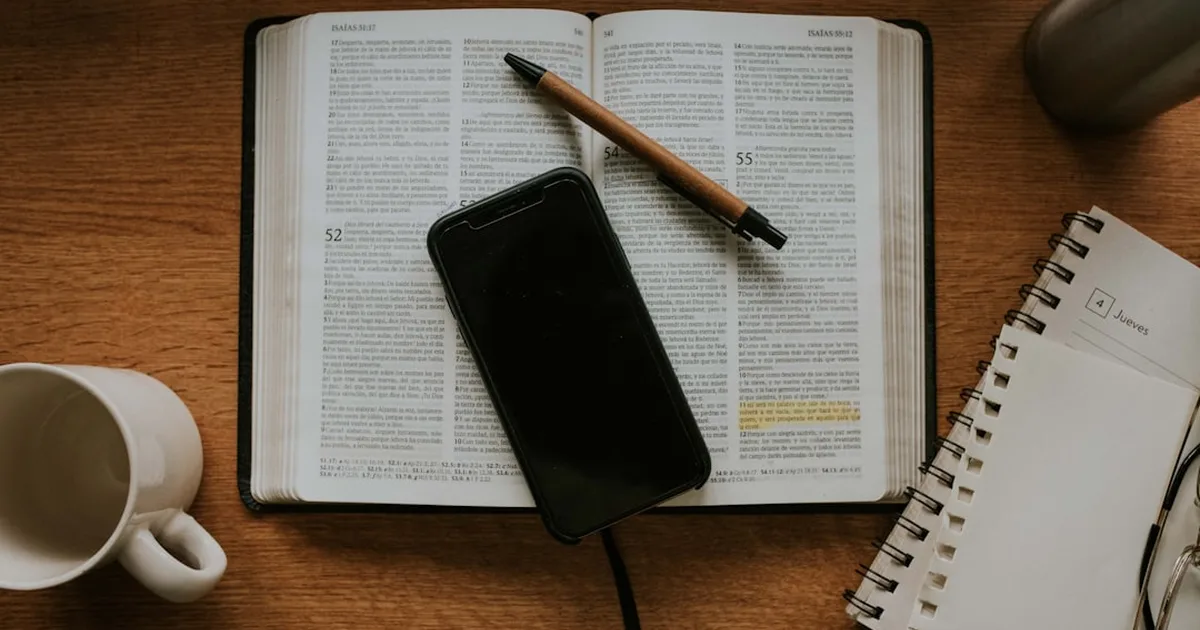
The Bible itself offers us reflections on the value of human dignity and respect. In the book of Genesis we read:
"So God created mankind in his own image, in the image of God he created them; male and female he created them" (Genesis 1:27, NIV).This fundamental passage reminds us that every person carries within them a reflection of the Creator, thus deserving unconditional respect.
Biblical Reflections on Forgiveness and Peace
In the face of painful events like that in Debel, God's Word offers us valuable guidance. Jesus himself, during the Sermon on the Mount, taught:
"Blessed are the peacemakers, for they will be called children of God" (Matthew 5:9, NIV).This beatitude takes on special meaning in conflict contexts, inviting everyone to become builders of reconciliation.
The apostle Paul, writing to the Ephesian community, exhorted:
"Make every effort to keep the unity of the Spirit through the bond of peace" (Ephesians 4:3, NIV).These words resonate powerfully today, reminding us that peace is not just the absence of conflict but the active construction of just relationships.
The Letter to the Romans adds another element:
"Do not repay anyone evil for evil. Be careful to do what is right in the eyes of everyone" (Romans 12:17, NIV).This teaching represents a profound challenge, especially when one suffers injustice, but it also points the way to break cycles of violence.
Toward a Future of Hope
The recent election of Pope León XIV, which occurred in May 2025, has brought new momentum to interreligious dialogue and peace promotion. The pontiff, taking the name of a saint associated with strength and protection of faith, seems to want to emphasize precisely these aspects of the Petrine ministry. His teaching promotes a message of unity and reconciliation that finds echo in situations like that experienced in Debel. In times of trial, the Christian community is called to be a living testimony of the love that forgives and builds bridges, remembering that even in the face of desecration, the most powerful response is one born of faith and hope in a better tomorrow.


Comments