
Dear readers, today we reflect together on a theme at the heart of our faith: Christ's resurrection and its meaning for us as the firstborn of a new creation. This is not just a past event, but a living reality that transforms our daily lives. Scripture teaches us that in Christ we are new creations (2 Corinthians 5:17), and this truth has profound implications for our faith journey.
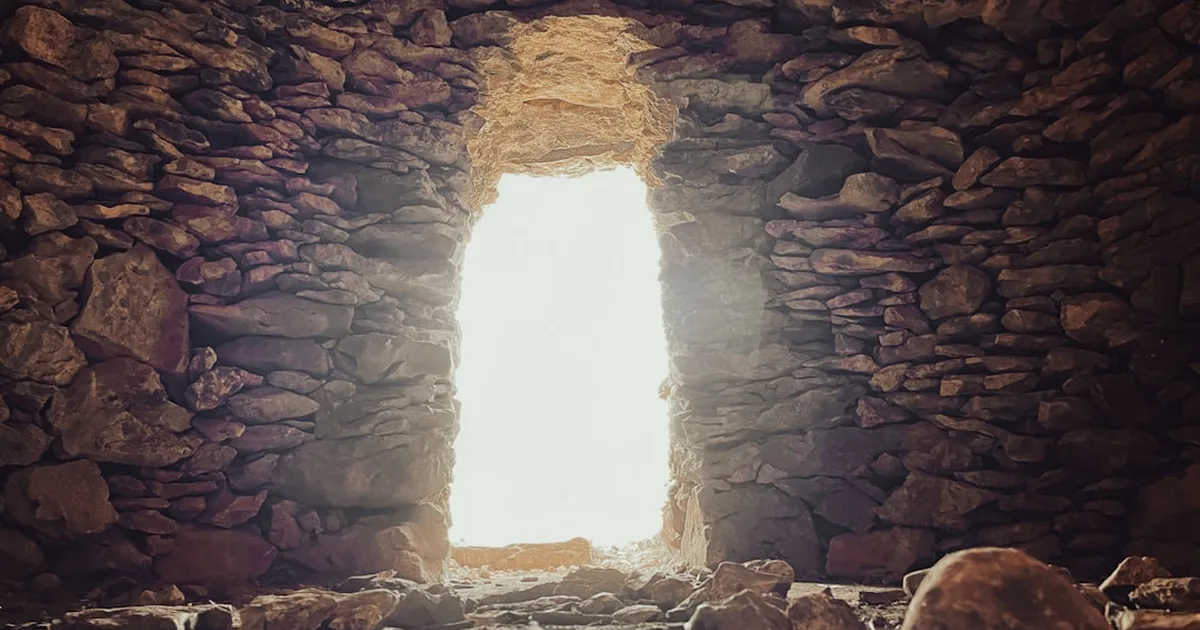
Jesus' death and resurrection inaugurated a new era, where the power of sin and death has been broken. As the apostle Paul writes, Christ is "the firstborn of all creation" (Colossians 1:15) and "the firstborn from the dead" (Colossians 1:18). This reminds us that our hope is not in vain: we are called to share in his very life.
"Since, then, you have been raised with Christ, set your hearts on things above, where Christ is, seated at the right hand of God" (Colossians 3:1, NIV).
A New Generation
The concept of a "new generation" is central in the reflection of the Church Fathers. They saw in baptism a rebirth, a passage from death to life. We are no longer slaves to sin, but adopted children of God. This new identity compels us to live differently, with our eyes fixed on heaven.
Today's Liturgy of the Hours offers a patristic reading that emphasizes how "the kingdom of life has come and the dominion of death has been destroyed." These words are not merely poetic; they describe a real transformation that occurs within us when we welcome Christ. Our human nature has been elevated, made capable of sharing in divine life.
The Transformation of Our Nature
In Christian tradition, we often speak of "divinization" or "theosis": humans are called to become partakers of the divine nature (2 Peter 1:4). This does not mean we become gods, but that God's grace transforms us inwardly, making us increasingly like Christ. It is a lifelong process, but it begins at baptism.
St. Paul urges us: "You have taken off your old self with its practices and have put on the new self, which is being renewed in knowledge in the image of its Creator" (Colossians 3:9-10). This change is not superficial; it involves our thoughts, words, and actions.
Living as Raised Ones
How can we concretely live this new life? The answer is in following Christ. Each day we are called to die to sin and rise with him through prayer, the sacraments, and love for neighbor. The resurrection is not only a future event but a present reality that gives us strength and hope.
Jesus himself said: "I am the resurrection and the life. The one who believes in me will live, even though they die" (John 11:25). This promise sustains us in difficulties and opens us to the joy of a full life. The Christian community is where this new life is manifested: in fraternal love, service, and sharing.
"Therefore, if anyone is in Christ, the new creation has come: The old has gone, the new is here!" (2 Corinthians 5:17, NIV).
The Hope of Resurrection
Christ's resurrection is the guarantee of our resurrection. As Paul writes, "Christ has indeed been raised from the dead, the firstfruits of those who have fallen asleep" (1 Corinthians 15:20). This certainty gives us strength to face life's trials, knowing that death does not have the final word. Our earthly existence is only the beginning of eternal life in communion with God.
In the Church's tradition, the saints are witnesses to this hope: they lived the faith heroically, showing that Christ's grace can transform even the most difficult situations. Their lives are an invitation to trust in God.





Comments