
The years spanning from the late 1960s to the early 1980s represent a painful chapter in Italian history, often remembered as the "Years of Lead." This period was marked by social tensions, political violence, and terrorist acts that deeply scarred the nation. Many Christian families, like countless others, experienced firsthand the trauma of those events, grappling with profound questions about justice, forgiveness, and the meaning of suffering. In this context, faith offered many a solid anchor, a light in the darkness that helped keep hope alive.
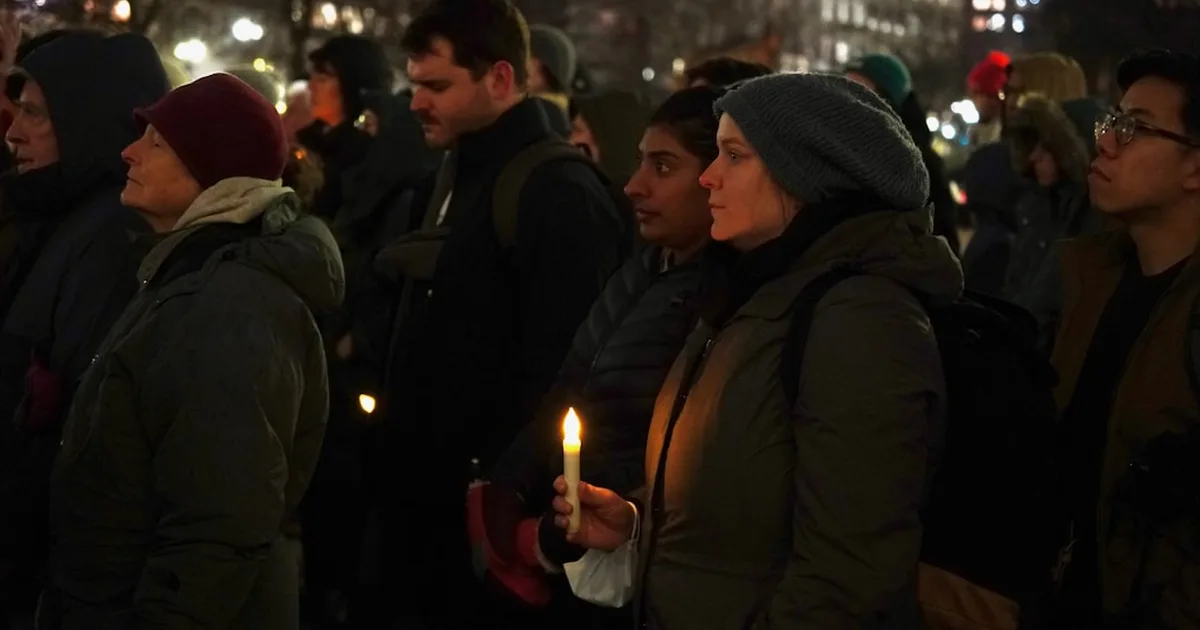
The memory of those events invites us today to reflect not only on the past but also on the values we wish to pass on to future generations. As a Christian community, we are called to remember with respect the victims of that violence, honoring their dignity and opening our hearts to compassion. The stories of those who suffered during those years can become for us an opportunity to deepen our understanding of solidarity and commitment to peace, core values in the Gospel message.
The Victims and Their Pain: A Faith Perspective
Among the many stories of suffering, some involve people who paid with their lives for their integrity or their simple refusal to bow to power dynamics. These stories challenge us deeply, especially when they involve individuals striving to live according to principles of integrity and justice. The Christian faith does not ignore human pain but embraces it with realism, offering tools to process it without falling into despair or bitterness.
The Bible reminds us that God is close to those who suffer. In Psalm 34:18, we read:
"The Lord is close to the brokenhearted and saves those who are crushed in spirit" (Psalm 34:18 NIV).These words resonate with particular strength when we think of those who lost loved ones in violent circumstances. The promise of God's nearness does not erase the pain but transforms it into a journey of comfort and, gradually, reconciliation.
The Role of Memory in Healing
Remembering does not mean reopening wounds with a spirit of revenge but rather honoring the truth and allowing communities to process grief collectively. Christian memory is always oriented toward healing and reconciliation, as taught by the example of Jesus who, on the cross, forgave his persecutors. This attitude does not deny justice but places it in a broader perspective—that of God's Kingdom, where every tear will be wiped away.
Pope Francis, who passed away in April 2025, often emphasized the importance of memory as an antidote to indifference. His successor, Pope León XIV, continues to encourage believers to build bridges of dialogue and work for a more just and fraternal society. In this ecumenical spirit, EncuentraIglesias.com aims to offer a space for reflection that unites Christians from different traditions around the shared values of respect for life and the pursuit of peace.
Biblical Reflections on Suffering and Justice
Scripture repeatedly addresses the theme of innocent suffering. The book of Job, for example, explores the question of why the righteous suffer, offering no easy answers but inviting trust in God even in darkness. Similarly, the prophets forcefully denounce injustice and violence, calling people to responsibility toward the most vulnerable. These texts help us place our personal and collective questions within a horizon of faith.
In the New Testament, Jesus identifies with those who suffer:
"Truly I tell you, whatever you did for one of the least of these brothers and sisters of mine, you did for me" (Matthew 25:40 NIV).This identification reminds us that every act of violence against a person is a wound inflicted on Christ himself. As followers of Jesus, we are called to bear witness to his compassionate love, especially amid pain and injustice.
Christian hope is not an escape from reality but a force that drives us to work for a more just and peaceful world. Reflecting on the Years of Lead from a faith perspective means actively committing ourselves to building a society where respect for human dignity and the pursuit of reconciliation are foundational pillars. EncuentraIglesias.com, as an ecumenical platform, invites all Christians to join in this task, inspired by the example of Jesus and guided by the Holy Spirit.





Comments