
In today's educational landscape, many religion teachers and Christian educators face profound challenges that extend beyond the classroom. The teaching vocation—that special calling to shape hearts and minds—can become worn down by daily pressures, constant curriculum changes, and the emotional demands of teaching. As a Christian community, we need to recognize that those who teach the faith don't merely transmit knowledge but serve as living witnesses to God's love in increasingly diverse educational spaces.
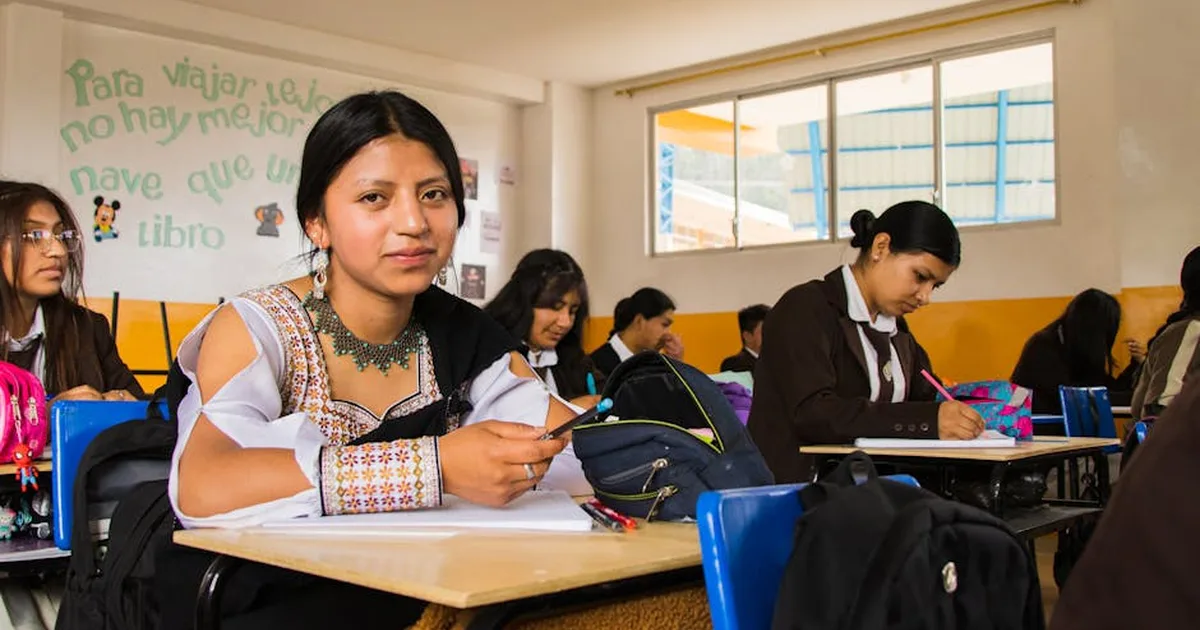
Religious education has a unique dimension: it's not simply about sharing information about doctrines or traditions, but about accompanying students in their personal encounter with Christ. The Christian educator, as the apostle Paul reminds us, is "God's co-worker" (1 Corinthians 3:9, NIV), called to plant seeds of faith that others will water and God will make grow. This understanding radically transforms our vision of what it means to be a religion teacher.
In our current context, where Christian education has deep roots but also faces new challenges, it's essential to strengthen the vocational identity of those who dedicate their lives to this noble task. It's not just about fulfilling academic or ecclesiastical requirements, but about continually rediscovering the profound meaning of our calling as educators in faith.
The Importance of Holistic Care for Educators
Studies show that many teachers experience emotional and spiritual exhaustion—a reality that also affects those who teach religion. When a teacher feels tired or disconnected from their vocation, their ability to inspire and guide students becomes compromised. That's why it's crucial to address educator well-being holistically, attending not only to their academic preparation but also to their emotional, spiritual, and physical health.
The psalmist invites us: "Praise the Lord, my soul; all my inmost being, praise his holy name" (Psalm 103:1, NIV). This invitation to praise with our whole being reminds us that our educational service should flow from an integrated life, where body, mind, and spirit align in the purpose of glorifying God. The educator who nurtures their own relationship with God is better prepared to guide others on their spiritual journey.
Initiatives that promote the holistic well-being of Christian teachers are more necessary than ever. These can include spiritual retreat spaces, personalized accompaniment, supportive colleague communities, and resources for emotional self-care. When educators feel supported and renewed, they can offer their best to their students.
Silence as a Space for Renewal
Amid the noise and constant demands of the educational world, silence becomes a sacred space for the Christian educator. Jesus himself gives us an example when "he often withdrew to lonely places and prayed" (Luke 5:16, NIV). These moments of quiet allow us to reconnect with the source of our vocation and hear God's voice in the midst of daily busyness.
Spiritual retreats designed specifically for educators offer valuable opportunities for this reconnection with one's vocation. It's not about escaping responsibilities, but about creating spaces where the soul can breathe, where deep questions can emerge, and where identity as a Christian educator can be renewed in the light of the Gospel.
Ongoing Formation with Vocational Meaning
The continuing formation of the Christian educator goes beyond content updates or methodologies. It should be centered on the constant rediscovery of the teaching vocation in light of faith. As the letter to the Romans teaches us: "Do not conform to the pattern of this world, but be transformed by the renewing of your mind" (Romans 12:2, NIV). This transformation begins with educators themselves—those called to be agents of change in the lives of their students.
Formation programs that integrate spiritual, pedagogical, and personal dimensions help educators maintain their passion and effectiveness. When we understand our teaching as ministry, every class becomes an opportunity to witness to God's love, every student interaction becomes a moment of grace, and every challenge becomes an invitation to deeper trust in God's guidance.
In these times when educational systems face multiple pressures, Christian educators need communities that support their vocational journey. Local churches, Christian schools, and educational ministries can create networks of mutual support where teachers share experiences, pray together, and encourage one another in their calling.
Remember that your work as a Christian educator matters eternally. You're not just teaching subjects—you're helping shape eternal souls. May God renew your passion and strengthen your commitment as you continue this beautiful ministry of education in faith.





Comments