
In a world that often seems to have lost its moral compass, protecting children remains a fundamental pillar for any society that calls itself civilized. Recently, a decision by the European Court of Justice reignited debate on this issue, condemning Hungary for a 2021 law that banned showing minors content about homosexuality. Beyond the political controversies, as Christians we are called to reflect on what it truly means to protect the little ones, without falling into extremism or manipulation.
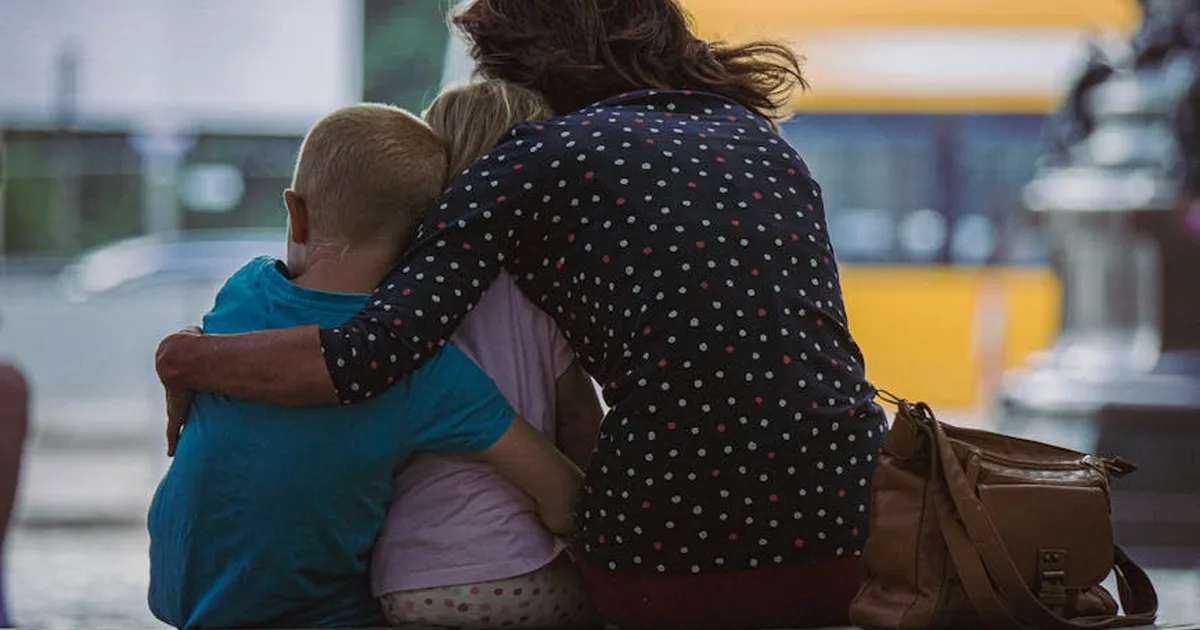
Scripture reminds us of the importance of caring for children with love and responsibility. In the Gospel of Matthew, Jesus says: "Let the little children come to me, for the kingdom of heaven belongs to such as these" (Matthew 19:14, NIV). These words are not just an invitation to tenderness, but a call to responsibility—to guide the young toward truth and goodness, protecting them from anything that might confuse their innocence.
Laws and Values: A Difficult Balance
The European Court's decision raises deep questions. On one hand, there is concern not to discriminate against LGBTQ+ people, an issue that touches the dignity of every human being. On the other, there is the right of parents and communities to educate their children according to their own convictions, especially in moral and religious matters. As Christians, we believe that every person deserves respect and love, but also that children need clear, age-appropriate guidance.
The book of Proverbs admonishes us: "Train up a child in the way he should go; even when he is old he will not depart from it" (Proverbs 22:6, ESV). This principle is not just pedagogical advice but a divine mandate. The formation of children cannot be left to chance or cultural fads; it requires wisdom and discernment, especially in an age where information is accessible without filters.
The Responsibility of Parents and Community
The Church, in all its expressions, has always emphasized the primary role of the family in educating children. Parents are the first educators and have the right and duty to protect their children from influences they consider harmful. At the same time, the Christian community is called to support families, offering spaces for healthy growth and teachings based on God's Word.
In a pluralistic context like Europe, finding a balance between individual rights and the protection of minors is complex. However, we must not forget that children are vulnerable and need to be protected, not prematurely exposed to topics that require a maturity they do not yet possess. As the apostle Paul writes: "Then we will no longer be infants, tossed back and forth by the waves, and blown here and there by every wind of teaching" (Ephesians 4:14, NIV).
A Reflection on Contemporary Society
The European Court's ruling invites us to question our society's priorities. In many countries, animals enjoy increasingly strict protections, while children seem to be exposed to content that can confuse their identity and values. This is not about denying anyone's rights, but about asking whether we are truly putting the best interests of the little ones first.
Psalm 127 declares: "Children are a heritage from the Lord, offspring a reward from him" (Psalm 127:3, NIV). Every child is a precious gift, and as a Christian community we have the responsibility to create an environment where they can grow in faith and virtue. This also means defending their innocence and their right to an education that respects the stages of their development.
Conclusion: A Call to Responsibility
Faced with these challenges, our task





Comments