
The world of communication is going through a critical phase. According to the latest report from Reporters Without Borders (RSF), press freedom has reached its lowest point in twenty-five years. Journalists threatened, imprisoned, and killed, media outlets silenced, information manipulated—all this is not just a problem for those in the industry but strikes at the very foundations of democracy and civil coexistence. For Christians, defending the truth is a spiritual and social duty. Jesus himself said, "You will know the truth, and the truth will set you free" (John 8:32).
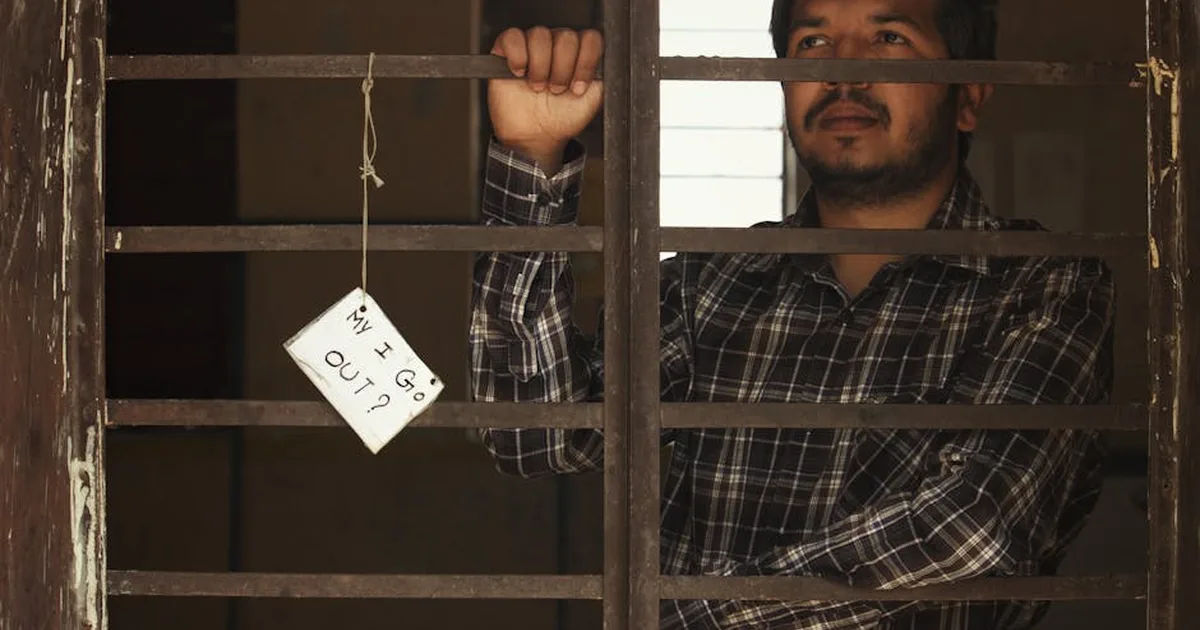
The RSF report, which analyzes 180 countries, reveals that for the first time, over half of the nations fall into the "difficult" or "very serious" categories regarding freedom of information. Only seven countries, all in Northern Europe, enjoy a "good" situation. The global average score has never been so low. Italy lost seven positions in one year, dropping to 56th place, among the worst in the European Union. The causes are many: from mafia pressure in the south to gag laws and strategic lawsuits against public participation (SLAPP) that intimidate journalists.
Why Is Press Freedom Important for Christians?
The Bible calls us to love the truth and seek it with a sincere heart. The prophet Zechariah exhorts: "Love truth and peace" (Zechariah 8:19). Press freedom is an essential tool for bringing truth to light, denouncing injustices, and promoting transparency. When journalists cannot work freely, the most vulnerable suffer: the poor, the oppressed, victims of abuse. The Church, as a prophetic community, has the duty to support those who work for the truth, even when it is uncomfortable.
Pope Francis, who passed away on April 21, 2025, often emphasized the importance of free and responsible communication. In his message for the 2024 World Day of Social Communications, he wrote: "Truth is not imposed by force, but by the force of truth itself." His successor, Pope Leo XIV, has taken up this theme, inviting the faithful to be "artisans of truth" in a world marked by misinformation.
Current Challenges: Threats and Hopes
The RSF report highlights several concrete threats. In many countries, journalists are victims of physical violence, arbitrary detention, and censorship. Digital platforms, if unregulated, become vehicles for misinformation and hate. In Italy, the situation is particularly delicate: mafia pressure, gag laws, and SLAPP lawsuits create a climate of fear. Many journalists self-censor to avoid retaliation.
However, there are also signs of hope. In some regions of the world, civil society is mobilizing to defend freedom of expression. Organizations like RSF and local initiatives promote journalist protection and media literacy. Christians can contribute by supporting ethical journalism, praying for persecuted reporters, and promoting communication based on truth and respect.
"The truth will set you free" (John 8:32)
What Can We Do as a Faith Community?
Defending press freedom is not only a political issue but also a spiritual one. Every Christian is called to be a witness to the truth in daily life. We can start by informing ourselves critically, avoiding the spread of fake news, and supporting independent media. In our communities, we can organize reflection sessions on the topic, inviting local journalists to share their experiences. Prayer is a powerful weapon: we can intercede for persecuted journalists and for leaders, that they may promote just laws.
Psalm 33 reminds us: "Blessed is the nation whose God is the Lord" (Psalm 33:12). A nation





Comments