
On a warm evening of April 17, the Catholic University of Central Africa in Yaoundé, Cameroon, received a visit that deeply marked the academic community. Pope León XIV arrived on campus where he was welcomed by rector Thomas Bienvenu Tchoungui and hundreds of students who, waving Vatican and Cameroonian flags, expressed their joy at this pastoral encounter. This moment was not merely institutional protocol, but a genuine dialogue between faith and the pursuit of knowledge.
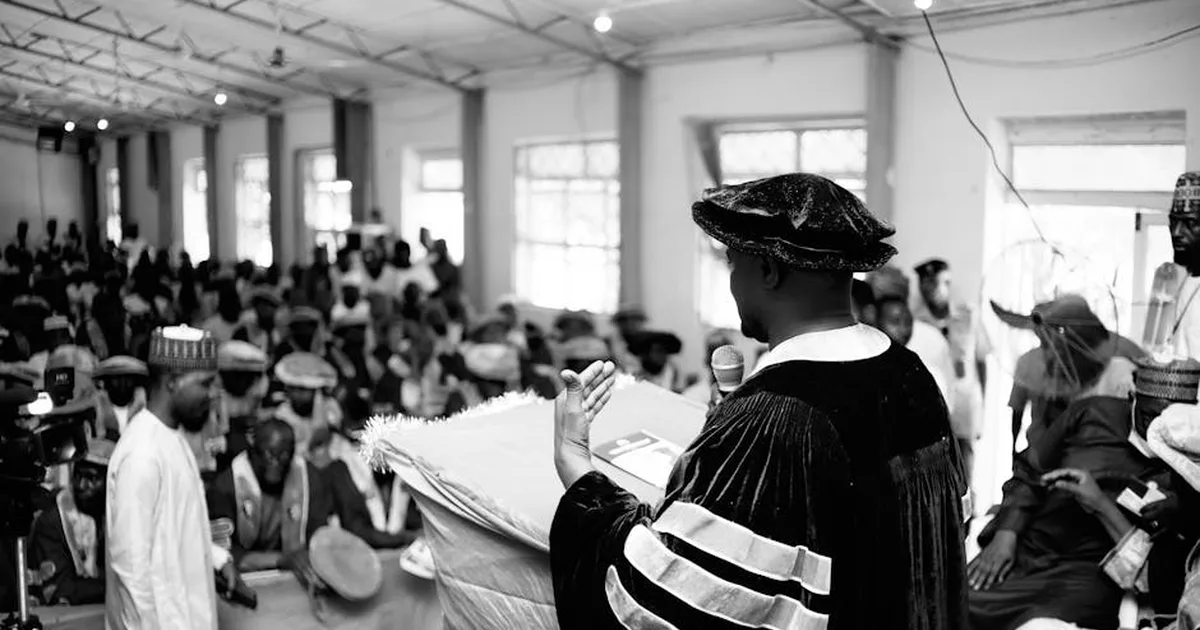
The university, founded in 1989 as a fruit of Saint John Paul II's vision, has established itself as a space where leaders committed to serving Africa are formed. During the welcome ceremony, the rector highlighted how this institution keeps its Christian identity alive, focusing on ethical formation, peace promotion, and the pursuit of social justice. It's not simply about transmitting information, but about shaping hearts and minds.
Professors and students shared moving testimonies about how integral education—combining academic excellence with human values—transforms lives. The young people present reflected on the challenges their generation faces: uncertainty about the future, secularization processes, migrations, and especially the accelerated impact of new technologies on how they understand the world and relate to others.
The University as a Beacon in Times of Confusion
In his address, the Holy Father defined this university as "a beacon serving the Church and Africa in their search for truth." This image is profoundly significant in our current context, where many spiritual and moral references seem to be fading. As the psalmist says:
"Your word is a lamp for my feet, a light on my path" (Psalm 119:105, NIV).The Catholic university is called to be that light guiding not only intellect but also heart.
León XIV emphasized that amid rapid technological and cultural changes, higher education institutions—especially those with Christian inspiration—have a unique responsibility: to form integrated people who can navigate the complexity of the modern world without losing their moral compass. It's not about rejecting progress, but about humanizing it, putting technology at the service of the person and not the other way around.
The Pontiff recalled that true education goes beyond accumulating data or technical skills. It involves developing capacity for discernment, compassion, critical thinking, and commitment to the common good. In a world where information abounds but wisdom is scarce, the Catholic university offers a privileged space to cultivate what truly makes a person human.
The Witness of Educators
Professor Louis-Claude Mbarga shared during the encounter how integral formation transforms students. It doesn't limit itself to preparing them for the job market, but equips them to be agents of change in their communities. This educational vision responds to Paul's invitation:
"Do not conform to the pattern of this world, but be transformed by the renewing of your mind. Then you will be able to test and approve what God's will is—his good, pleasing and perfect will" (Romans 12:2, NIV).
Teachers in Christian institutions have the beautiful challenge of accompanying young people in this transformation process. They're not mere transmitters of knowledge, but witnesses to values that give meaning to existence. Their work goes beyond the classroom: they model with their lives what they teach with their words.
The Challenges of Artificial Intelligence and the Erosion of Reality
One of the central themes of the papal address was the impact of artificial intelligence on our perception of reality and human relationships. The Pope warned about the risk of creating a "digital bubble" that isolates us from authentic human contact. He invited the university community to reflect on how to integrate faith, reason, and technology in a way that promotes authentic human development.
"We cannot allow technology to determine our humanity," declared León XIV. "On the contrary, we must guide technological development with ethical principles rooted in the Gospel. This is what I call 'digital humanism': a vision where technology serves human dignity, solidarity, and the common good."
The Pontiff's words resonated particularly with young Africans, who face the double challenge of technological adoption and preserving their cultural and spiritual identity. Many students expressed that this message gives them hope and direction in a world that often seems fragmented and confusing.
As the sun set over Yaoundé, the Pope's visit left a profound impression on all present. More than a formal event, it was an encounter that renewed the commitment to education as a path of integral human development. In a continent full of challenges and hopes, the Catholic university emerges as a space where faith and reason walk together toward a more humane and just future.





Comments