
In the months since his election in May 2025, Pope León XIV has emerged as a distinctive voice calling Christians worldwide to embrace peace and reconciliation. Following the passing of Pope Francis in April 2025, the Catholic Church entered a period of transition that brought Cardinal Robert Francis Prevost to the papacy as León XIV. His early messages have consistently emphasized themes familiar to Christians across denominations: compassion, dialogue, and the pursuit of peace that reflects Christ's teachings.
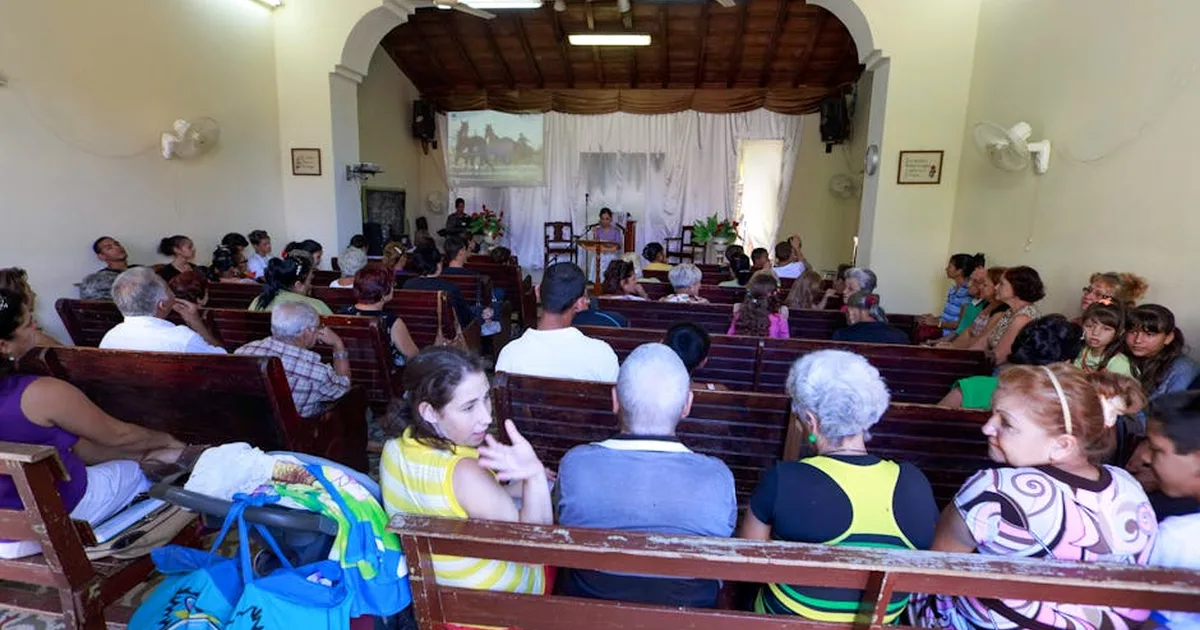
Many Christians have found resonance in the Pope's recent addresses, which echo biblical calls to be peacemakers. In a world often divided by conflict and polarization, his emphasis on building bridges rather than walls speaks to the heart of Christian faith. As followers of Jesus, we're reminded that our primary citizenship is in God's kingdom, which transcends earthly divisions and calls us to higher purposes.
The Biblical Foundation for Peacemaking
Scripture provides a rich foundation for understanding our call to pursue peace. Jesus himself declared,
"Blessed are the peacemakers, for they will be called children of God." (Matthew 5:9, NIV)This beatitude isn't merely a suggestion but a defining characteristic of those who follow Christ. The apostle Paul similarly urged the Roman church,
"If it is possible, as far as it depends on you, live at peace with everyone." (Romans 12:18, NIV)
These passages remind us that peacemaking isn't passive avoidance of conflict but active engagement in reconciliation. It involves:
- Listening with humility and empathy
- Seeking understanding before being understood
- Recognizing the image of God in every person
- Praying for wisdom in difficult situations
Navigating Distractions in Modern Faith
Contemporary Christians face numerous challenges in maintaining focus on our core calling. The digital age brings constant streams of information, opinions, and controversies that can pull our attention away from what matters most. Social media platforms, news cycles, and political debates often amplify division rather than foster unity.
In this context, Pope León XIV's consistent message of peace serves as an important reminder. Rather than getting caught up in every controversy or partisan debate, Christians are called to filter public discourse through the lens of our faith. This doesn't mean ignoring important issues but approaching them with spiritual discernment, asking questions like:
- Does this conversation promote love or division?
- Does it reflect Christ's character?
- Does it help or hinder our witness to the world?
- Does it draw us closer to God or further into worldly anxiety?
The Ecumenical Nature of Christian Peacemaking
One beautiful aspect of the peacemaking call is that it transcends denominational boundaries. Whether Catholic, Protestant, Orthodox, or from other Christian traditions, we share a common Lord who taught us to pray,
"Your kingdom come, your will be done, on earth as it is in heaven." (Matthew 6:10, ESV)
This prayer acknowledges that God's perfect peace isn't yet fully realized on earth but commits us to working toward its manifestation. Different Christian traditions may approach peacemaking through various theological emphases or practical methods, but the underlying commitment reflects our shared identity as followers of the Prince of Peace.
Practical Steps Toward Being Peacemakers
How can ordinary Christians cultivate peace in our daily lives and communities? Here are some practical approaches:
1. Begin with Prayer and Scripture
Regular time with God through prayer and Bible reading grounds us in divine perspective. The Psalms frequently model bringing anxieties to God while trusting in His sovereignty.
2. Practice Intentional Listening
In conversations about difficult topics, make a conscious effort to understand others' perspectives before responding. James 1:19 reminds us to be "quick to listen, slow to speak and slow to become angry."
3. Engage in Local Reconciliation
Peacemaking often begins closest to home—in our families, churches, and neighborhoods. Small acts of reconciliation can have ripple effects in broader communities.
4. Support Peacebuilding Initiatives
Many Christian organizations work toward reconciliation in areas of conflict. Supporting their work financially or through prayer connects us to global peacemaking efforts.
A Reflection for Today's Christian
As we consider Pope León XIV's emphasis on peace alongside the many voices competing for our attention, we might reflect on where we're investing our spiritual and emotional energy. Are we being shaped more by Christ's teachings or by the divisive narratives that dominate public discourse?
The prophet Isaiah described the Messiah's reign with these beautiful words:
"Of the greatness of his government and peace there will be no end. He will reign on David's throne and over his kingdom, establishing and upholding it with justice and righteousness from that time on and forever." (Isaiah 9:7, NIV)
This vision of God's kingdom—characterized by peace, justice, and righteousness—stands in contrast to the temporary conflicts and political divisions that consume so much of our attention. As Christians, we're called to live now in light of that coming reality, to be people who embody the peace of Christ in a fractured world.
This doesn't mean withdrawing from important conversations or ignoring injustice. Rather, it means engaging with the wisdom and grace that comes from being rooted in something—and Someone—greater than the latest controversy. It means asking how our words and actions might reflect the character of the God who "reconciles us to himself through Christ and gave us the ministry of reconciliation" (2 Corinthians 5:18, NIV).
In these challenging times, may we have the discernment to recognize what matters most, the courage to pursue peace even when it's difficult, and the faith to trust that God is ultimately working all things toward His good purposes.





Comments