
In a remarkable demonstration of pastoral care, Pope León XIV recently traveled to Cameroon's northwest region, an area marked by ongoing tensions and violence. The visit, which took place in the city of Bamenda, brought the pontiff face-to-face with communities living through daily uncertainty. This wasn't merely a diplomatic mission but a deeply spiritual encounter where faith met the harsh realities of conflict. The gathering represented a powerful statement about the Church's role in troubled regions—not as a distant institution but as a present, listening community.
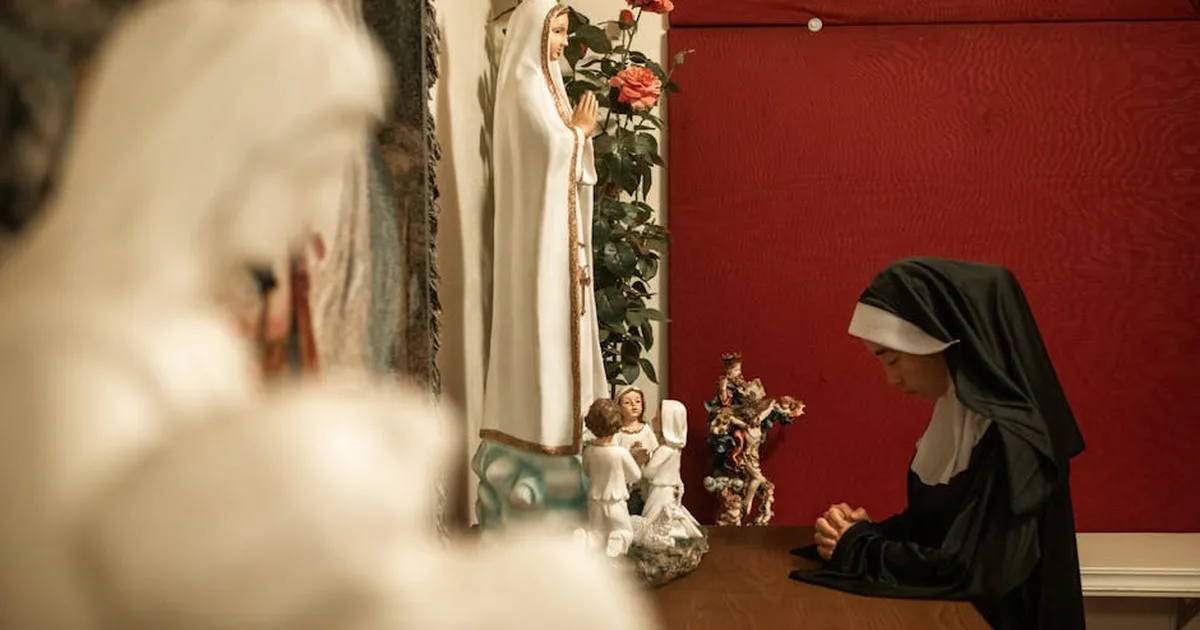
What made this meeting particularly significant was its location. Bamenda has experienced significant unrest in recent years, with many residents facing displacement, fear, and loss. By choosing to meet in this environment, Pope León XIV emphasized a fundamental Christian principle: that the message of peace must be carried precisely where it seems most fragile. His presence alone communicated solidarity with those who feel forgotten or abandoned by the wider world.
The atmosphere in Bamenda during the visit was described as both solemn and hopeful. Local Christians from various traditions gathered, united by their shared desire for reconciliation and stability. This ecumenical spirit aligned perfectly with EncuentraIglesias.com's commitment to fostering unity among all Christian communities. The event reminded participants that despite denominational differences, followers of Christ share a common calling to be peacemakers in their contexts.
Voices from the Ground: Testimonies of Resilience
Among those who shared their stories was a religious sister who had been kidnapped by separatist groups just months earlier. Her testimony, delivered with remarkable grace, described moments of profound fear transformed by persistent prayer and trust in God's protection. She spoke not with bitterness but with compassion for her captors, echoing Jesus' words from the cross:
"Father, forgive them, for they do not know what they are doing." (Luke 23:34, NIV)
Her experience highlighted how faith can sustain individuals through unimaginable trials. She described how passages from Scripture became lifelines during captivity, particularly verses about God's nearness in suffering.
"The Lord is close to the brokenhearted and saves those who are crushed in spirit." (Psalm 34:18, NIV)This personal account moved many listeners to tears, illustrating the raw power of lived faith in extreme circumstances.
Other participants included local pastors, community leaders, and ordinary families affected by the conflict. One farmer shared how he had lost his land but found deeper purpose in helping displaced neighbors. A teacher described holding classes in makeshift shelters while praying for her students' safety. These stories collectively painted a picture of resilience rooted not in human strength alone but in divine hope. They demonstrated that even in brokenness, God's people can become agents of healing.
Theological Reflections on Suffering and Hope
These testimonies naturally invite reflection on Christian perspectives about suffering. The Bible doesn't promise believers exemption from hardship but offers companionship through it. The apostle Paul writes,
"We are hard pressed on every side, but not crushed; perplexed, but not in despair; persecuted, but not abandoned; struck down, but not destroyed." (2 Corinthians 4:8-9, NIV)This passage resonates deeply with the experiences shared in Bamenda—acknowledging real pain while affirming an underlying hope.
Pope León XIV listened attentively to each story, occasionally offering brief reflections that pointed toward the larger narrative of God's redemption. He emphasized that suffering, while never good in itself, can become a space where God's grace becomes uniquely visible. This aligns with the biblical concept that our weaknesses can showcase divine strength.
"But he said to me, 'My grace is sufficient for you, for my power is made perfect in weakness.'" (2 Corinthians 12:9, ESV)
The Path Forward: Practical Steps Toward Peace
Beyond listening, the gathering focused on actionable steps for fostering peace. Pope León XIV encouraged several practical approaches grounded in Christian teaching:
- Prayer as Foundation: Consistent prayer for enemies and oppressors, following Jesus' command in Matthew 5:44.
- Dialogue Over Division: Creating safe spaces for conversation between conflicting parties, emphasizing shared humanity.
- Community Support Networks: Strengthening local church networks to provide material and emotional aid to victims.
- Advocacy with Compassion: Speaking truth about injustices while maintaining Christlike love for all involved.
These suggestions weren't presented as quick fixes but as ongoing commitments. Peacebuilding, from a Christian perspective, is less about dramatic breakthroughs and more about daily, faithful steps. It requires patience, courage, and a willingness to engage with complexity without losing hope.
The meeting also highlighted the importance of remembering that peace isn't merely the absence of conflict but the presence of justice, dignity, and mutual respect. The prophet Micah outlines this vision:
"He has shown you, O mortal, what is good. And what does the Lord require of you? To act justly and to love mercy and to walk humbly with your God." (Micah 6:8, NIV)This holistic understanding of peace informed many conversations in Bamenda, moving beyond political solutions to encompass spiritual and social transformation.
Reflection for Our Own Contexts
While most readers may not live in active conflict zones like northwest Cameroon, this story invites us to consider where we encounter division and brokenness in our own circles. Perhaps it's:
- Family relationships strained by past hurts
- Workplace environments marked by tension or unfairness
- Social divides within our communities or churches
- Personal struggles with forgiveness toward those who've wronged us
Pope León XIV's visit reminds us that peacemaking begins right where we are. It might look like reaching out to someone we've avoided, choosing gentle words in a heated discussion, or simply praying for God to soften our hearts toward difficult people. The Bible encourages this mindset:
"If it is possible, as far as it depends on you, live at peace with everyone." (Romans 12:18, NIV)
Consider this week: Where is one relationship or situation in your life that needs a touch of God's peace? What small step could you take—whether a prayer, a conversation, or an act of kindness—to reflect Christ's reconciling love in that space? Remember that every gesture of peace, however modest, participates in God's larger work of healing our world.





Comments