
In May 2025, a significant event took place for the Christian community in Africa: Pope León XIV, elected that same month as successor to the late Pope Francis, visited Cameroon. This apostolic journey marked an early focus of his pontificate and brought special attention to regions affected by internal conflicts. The visit to the country's northwest, particularly to Bamenda, sent a clear message of solidarity and hope to the local population.
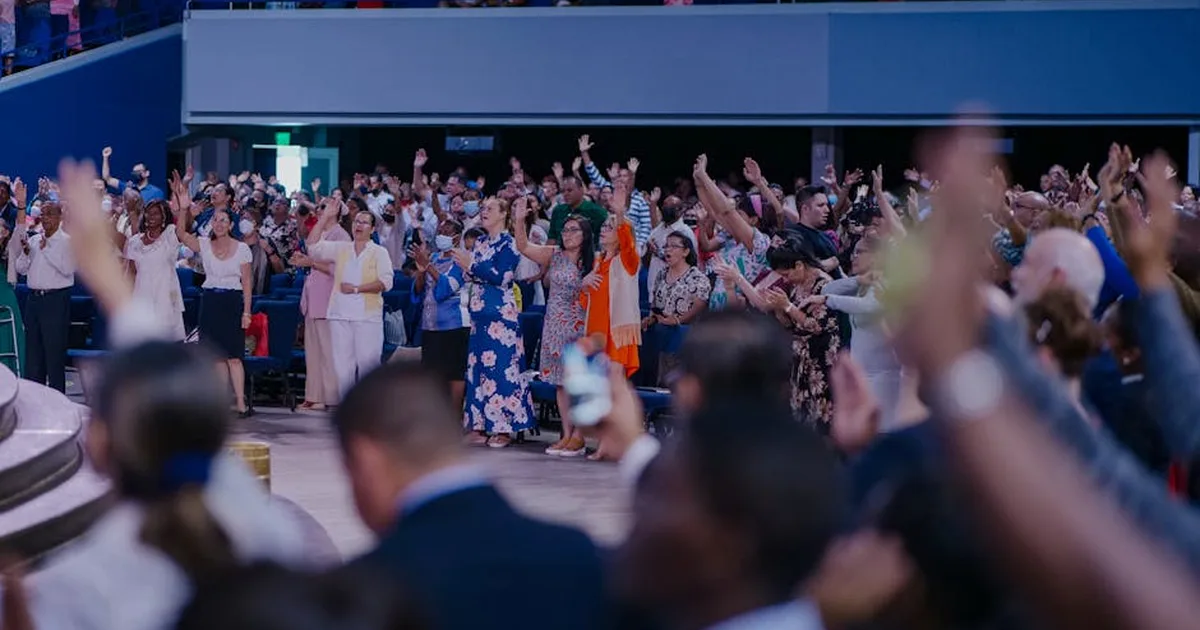
Choosing Cameroon as one of the first destinations of his tenure underscores the pastoral priority Pope León XIV gives to suffering communities worldwide. At a time when many regions face political tensions and social challenges, this visit represents a sign of ecclesial presence and commitment to peace. The Christian message of reconciliation finds concrete expression here.
For local believers, the Pope's presence was an encouraging sign. Many had worked for months toward this moment, placing their hopes in a message of comfort and unity. The celebrations were attended by thousands who gathered despite difficult circumstances to pray and sing together.
The Message of Peace and Reconciliation
At the heart of Pope León XIV's addresses was the call for peace and reconciliation. In his homily, he emphasized that the present is the right time to take steps toward one another. "Today is the day we can extend the hand of reconciliation," the Pope said in his speech. These words recall the biblical exhortation not to waste time when it comes to healing relationships.
"For he says, 'In the time of my favor I heard you, and in the day of salvation I helped you.' I tell you, now is the time of God's favor, now is the day of salvation" (2 Corinthians 6:2, NIV)
The Pope referred to the Christian tradition of forgiveness, which should not be postponed until tomorrow. In a region marked by years of conflict, this message presents a particular challenge. Many families are separated by violence and displacement, and distrust between different groups runs deep. The invitation to reconciliation requires courage and faith in the transformative power of Christian love.
In his further remarks, Pope León XIV emphasized the importance of patience and persistent dialogue. Reconciliation is not a one-time act but an ongoing process requiring daily decisions for peace. This perspective offers a realistic framework for communities seeking long-term healing without ignoring the complexity of their situation.
The Role of Local Churches
An important aspect of the message was recognition of the work of local churches and communities. Pope León XIV acknowledged the commitment of priests, religious, and laypeople who have remained in the region despite dangers and uncertainties to stand by the people. This daily presence is a living testimony of faith and hope.
Local Christian communities have in many cases served as mediators between conflicting parties and created safe spaces for dialogue. Their work, often hidden, lays the foundation for sustainable peace. The Pope's visit strengthened these efforts and reminded them that the Church in its universal dimension stands behind them.
Biblical Foundations of Reconciliation
The theme of reconciliation is deeply rooted in Holy Scripture. In the New Testament, it is presented as a central element of the Christian message made possible through the life and work of Jesus Christ. Pope León XIV drew upon this theological foundation in his address, reminding everyone that reconciliation is not merely a human ideal but a divine gift we must welcome and share. The visit to Cameroon served as a powerful reminder that even amid conflict, God's grace is available to those seeking paths of peace and unity.





Comments