
In the spring of 2026, a significant honor was bestowed upon Pope León XIV, who leads the Catholic Church. Time magazine included him in their annual list of the world's 100 most influential people. This recognition comes less than a year after his election in May 2025, following the passing of Pope Francis. For Christians of all traditions, this moment invites reflection on what influence truly means from a faith perspective and how spiritual leadership can resonate in our contemporary world.
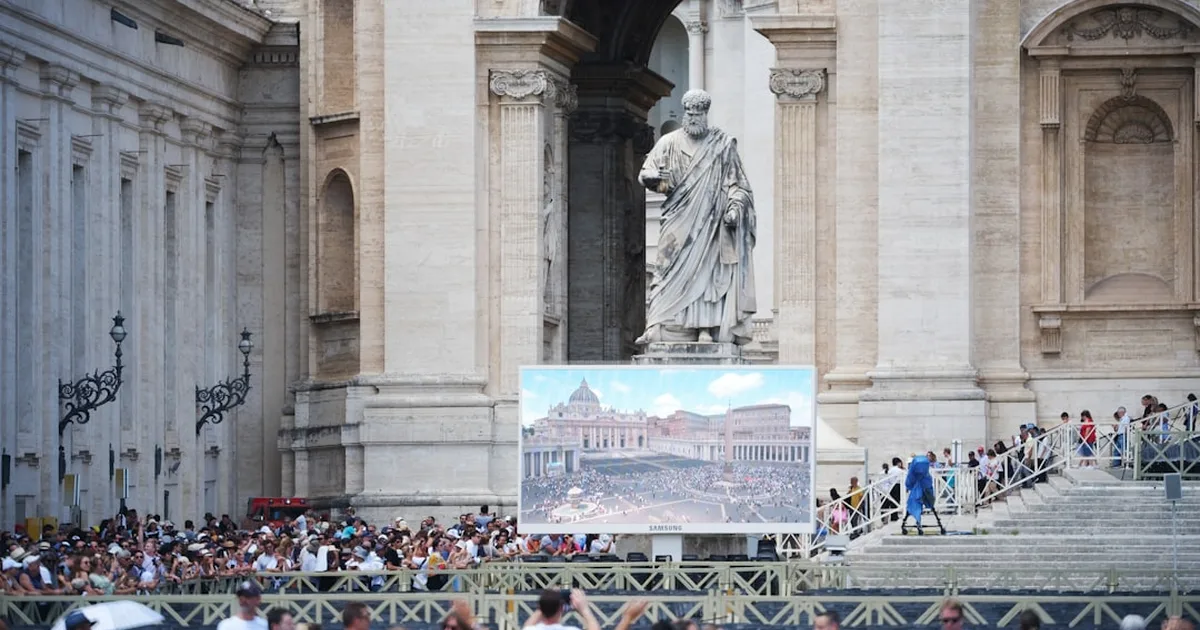
The selection by a major secular publication highlights how religious figures can shape conversations far beyond their immediate communities. Pope León XIV, born Robert Francis Prevost, has quickly become a familiar face to many, bringing his own pastoral approach to the global stage. His inclusion speaks to the enduring role that Christian witness plays in society, even in an increasingly pluralistic age.
As an ecumenical platform, we view this news not through a denominational lens, but as an opportunity to consider the broader Christian calling to be "salt and light" in the world. The recognition of a pope reminds all believers that our faith is not meant to be hidden but to engage thoughtfully with the culture around us.
Biblical Foundations of Godly Influence
When we hear the word "influence," our minds might turn to power, fame, or social media reach. Scripture, however, paints a different picture of what it means to truly impact others. Jesus taught his disciples about servant leadership, radically redefining greatness. In the Gospel of Mark, we read Jesus' words:
"For even the Son of Man did not come to be served, but to serve, and to give his life as a ransom for many." (Mark 10:45, NIV)This verse challenges our modern metrics of influence, pointing instead to sacrifice and humility as the heart of meaningful impact.
The apostle Paul also wrote extensively about living in a way that draws others toward Christ. In his letter to the Philippians, he encourages believers:
"Do nothing out of selfish ambition or vain conceit. Rather, in humility value others above yourselves, not looking to your own interests but each of you to the interests of the others." (Philippians 2:3-4, NIV)This ethic of others-centered living stands in stark contrast to worldly notions of influence built on self-promotion.
Throughout the Bible, we see that godly influence often grows quietly, through faithfulness in small things, integrity in difficult circumstances, and compassion toward the marginalized. It is less about seeking a platform and more about embodying the love of Christ in our daily interactions. Whether we lead a family, a congregation, or a global institution, the principle remains the same: our greatest testimony is how we love.
The Role of Christian Leadership in a Changing World
Pope León XIV steps into his role during a complex historical moment. The world continues to grapple with wars, economic uncertainty, environmental concerns, and deep social divisions. In such times, Christian leadership carries a particular weight—the responsibility to offer hope, advocate for peace, and remind society of human dignity. The pope's recognition by Time magazine may reflect a broader cultural longing for moral and spiritual guidance amid these challenges.
Christian leaders across traditions—pastors, bishops, elders, and lay ministers—are called to shepherd their communities with wisdom and grace. The apostle Peter, writing to early church leaders, advised:
"Be shepherds of God's flock that is under your care, watching over them—not because you must, but because you are willing, as God wants you to be; not pursuing dishonest gain, but eager to serve; not lording it over those entrusted to you, but being examples to the flock." (1 Peter 5:2-3, NIV)This pastoral model emphasizes service and example over control or prestige.
For Pope León XIV and all in positions of spiritual authority, the task is to point people toward the eternal truths of the Gospel while addressing the immediate needs of the human family. This dual focus—on heaven and earth—is at the core of Christian mission. It involves speaking about God's kingdom while also feeding the hungry, comforting the grieving, and seeking justice for the oppressed. True influence in Christ's name is always linked to tangible love.
A Legacy of Service and Transition
The transition from Pope Francis to Pope León XIV in 2025 marked a significant moment for the Catholic Church and was observed by Christians worldwide. Pope Francis, who passed away in April 2025, was widely respected for his emphasis on mercy, care for the poor, and ecological stewardship. His pastoral style touched many hearts across denominational lines. Now, Pope León XIV builds upon this legacy while bringing his own gifts and perspective to the papacy.
Such transitions remind us that the Church is both timeless and timely—rooted in ancient faith yet constantly engaging with new generations and circumstances. Each leader contributes to the ongoing story of God's work in the world. For Protestants, Orthodox, and Catholics alike, there is wisdom in observing how different leaders embody the calling to follow Christ, learning from their strengths and reflecting on how we might live out our own vocations more faithfully.
What This News Means for Everyday Believers
While few of us will ever be named to a "most influential" list, every Christian is called to be an influence for God's kingdom right where they are. You don't need a global platform to make a difference. In fact, some of the most profound spiritual impacts happen in ordinary places: around kitchen tables, in workplace conversations, through quiet acts of kindness in your neighborhood. The apostle Paul, writing to the Colossians, gives this simple directive:
"And whatever you do, whether in word or deed, do it all in the name of the Lord Jesus, giving thanks to God the Father through him." (Colossians 3:17, NIV)This verse sanctifies our daily routines, turning them into opportunities for witness.
Consider the people God has placed in your life—family members, friends, colleagues, neighbors. Your consistent love, integrity, and willingness to listen may influence them more than any famous person ever could. Perhaps you can offer a word of encouragement to someone struggling, extend forgiveness in a strained relationship, or generously support a local ministry. These actions, though small in the world's eyes, carry eternal significance.
Moreover, we can pray for all Christian leaders, including Pope León XIV, that they would have wisdom, courage, and humility. Prayer is itself a powerful form of influence, aligning our hearts with God's purposes and inviting His Spirit to work through human vessels. As we lift up those in visible roles, we also open ourselves to how God might want to use us in our own spheres.
Reflection and Application
As you reflect on the news about Pope León XIV's recognition, take a moment to consider your own life. How is God calling you to be an influence for His love and truth? Maybe it's through mentoring a younger believer, volunteering in your community, creating art that points to beauty, or simply being a faithful presence in your church. Remember that your identity in Christ is the foundation of any true influence you have. You are a beloved child of God, equipped with spiritual gifts to serve others.
Let's also remember that Christian influence is not about accumulating accolades but about pointing people to Jesus. John the Baptist, a powerful voice in his day, said of Christ:
"He must become greater; I must become less." (John 3:30, NIV)This is the ultimate goal—that through our words and actions, others might see more of Him and less of us. Whether we serve in prominent positions or hidden corners, may our lives reflect the grace we have received.
Finally, let this story encourage you. The fact that a religious leader is acknowledged for his influence in a secular context suggests that hunger for spiritual meaning persists in our world. This is an opportunity for all Christians to engage with grace and truth, sharing the hope that we have in Christ. As you go about your week, look for one practical way to extend Christ's love to someone around you. That simple act may be the most influential thing you do.





Comments