
In late April 2025, Pope León XIV made a significant pastoral journey to Angola, visiting the country's northeastern diamond mining region. This visit came during his first year as pontiff, following his election in May 2025. The Pope traveled to an area where many communities live with the complex realities of mineral wealth alongside economic challenges.
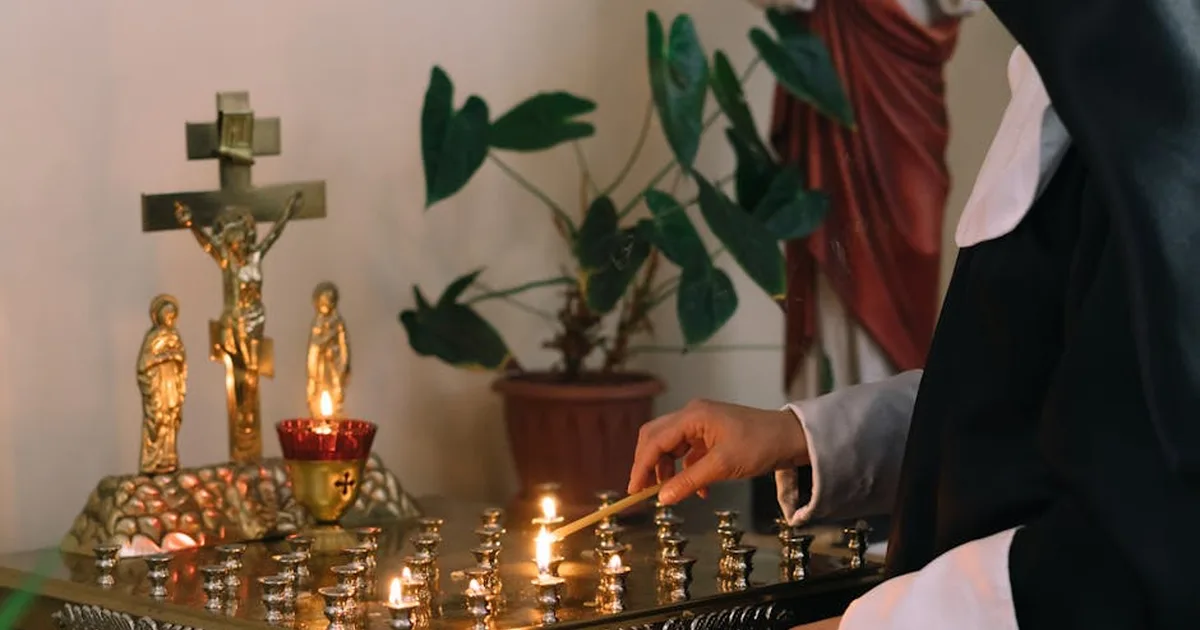
The papal Mass drew tens of thousands of faithful from surrounding communities, creating a powerful gathering of prayer and solidarity. This visit represents the new Pope's continued commitment to engaging with communities facing difficult circumstances, following the tradition of pastoral outreach established by his predecessors.
For Christians around the world, such visits remind us that our faith calls us to be present with those who suffer. As the body of Christ, we are connected across continents through prayer and concern for one another's wellbeing.
The Message: Christ Hears Our Cries
At the heart of Pope León XIV's message was a profound theological truth accessible to all Christians: Christ hears the cries of his people. This simple yet powerful affirmation speaks directly to human experiences of suffering, injustice, and hardship.
The Pope emphasized that in the face of evil and difficulty, we are not abandoned. This echoes the biblical witness of God's attentiveness to human suffering. Throughout Scripture, we see God responding to the cries of the oppressed, the marginalized, and those in pain.
This message has particular resonance in communities that experience economic disparities or social challenges. It affirms that spiritual realities transcend material circumstances, and that God's care extends especially to those who struggle.
For all Christians, this truth offers comfort and hope. Whether we face personal trials, community challenges, or global crises, we can trust that our prayers are heard by a compassionate Savior who understands human suffering intimately.
Biblical Foundations of God's Attentiveness
The Bible consistently portrays God as one who hears and responds to human cries. From the Exodus narrative to the Psalms to the ministry of Jesus, Scripture reveals a God who is neither distant nor indifferent to human suffering.
"The righteous cry out, and the Lord hears them; he delivers them from all their troubles." Psalm 34:17 (NIV)
This Psalm captures the essential biblical truth that God actively listens to those who call upon him. The imagery throughout Scripture suggests not passive hearing but active, engaged response to human need.
In the Exodus story, we read:
"The Israelites groaned in their slavery and cried out, and their cry for help because of their slavery went up to God. God heard their groaning and he remembered his covenant with Abraham, with Isaac and with Jacob. So God looked on the Israelites and was concerned about them." Exodus 2:23-25 (NIV)
This passage reveals several important aspects of how God relates to suffering people:
- God hears the specific cries arising from difficult circumstances
- God remembers his covenant promises to his people
- God is personally concerned about their situation
- God takes action in response to their cries
In the New Testament, we see this same attentive compassion embodied in Jesus Christ. The Gospels repeatedly show Jesus responding to cries for help:
"Two blind men were sitting by the roadside, and when they heard that Jesus was going by, they shouted, 'Lord, Son of David, have mercy on us!' ... Jesus stopped and called them. 'What do you want me to do for you?' he asked." Matthew 20:30-32 (NIV)
Jesus not only hears physical cries but also perceives the unspoken cries of the heart. His ministry demonstrates that God's hearing leads to compassionate action.
The Ministry of Listening in Christian Community
As followers of Christ, we are called to embody this same attentive care in our communities. The biblical pattern of God hearing human cries should shape how we relate to one another.
Practical ways we can practice this ministry include:
- Creating spaces where people feel safe to share their struggles
- Developing the spiritual discipline of listening without immediate solutions
- Praying specifically for the cries we hear in our communities
- Advocating for those whose voices are often overlooked
When we listen well to others, we participate in God's work of hearing and responding to human need. This ministry of presence can be as simple as offering a compassionate ear or as complex as working for systemic change.
Facing Evil with Faith
Pope León XIV's message specifically addressed how Christians respond to the reality of evil in the world. This is a challenge every generation of believers faces, whether confronting personal suffering, social injustice, or systemic evil.
The Christian response to evil is not denial or simplistic optimism, but rather faith that God is at work even in dark circumstances. This faith is grounded in the resurrection of Jesus Christ, which demonstrates that God's love ultimately triumphs over all forms of evil and death.
When we face evil—whether in personal experiences of suffering or in witnessing injustice—we can remember several biblical truths:
- Evil does not have the final word in God's story
- God works redemption even through difficult circumstances
- Our present sufferings are not worth comparing with the glory to be revealed
- We are called to overcome evil with good
This perspective doesn't minimize real suffering but places it within the larger narrative of God's redemptive work. It allows us to lament honestly while maintaining hope.
"Do not be overcome by evil, but overcome evil with good." Romans 12:21 (ESV)
This verse reminds us that our response to evil matters. Rather than being defeated or becoming cynical, we're called to actively work for good, trusting that God's purposes will ultimately prevail.
Global Solidarity in Prayer
The Pope's visit to Angola highlights the beautiful reality of global Christian solidarity. When one part of the body of Christ suffers or rejoices, we are all affected. This interconnectedness is both spiritual and practical.
As we learn about Christian communities in different parts of the world, we have opportunities to:
- Pray specifically for their needs and challenges
- Learn from their faith experiences
- Support mission and development work when possible
- Recognize our shared identity in Christ across cultural differences
This global perspective enriches our understanding of what it means to be part of the universal Church. It reminds us that Christianity transcends national, ethnic, and cultural boundaries, united in our common faith in Jesus Christ.
The prayers offered in Angola during the papal Mass joined with prayers being offered in churches, homes, and hearts around the world. This invisible network of prayer represents one of the most powerful expressions of Christian unity.
Personal Reflection and Application
As we reflect on this pastoral visit and its message, consider these questions for personal or group reflection:
When have you experienced God hearing your cries? How did that awareness change your perspective on your situation?
Who in your community might need someone to hear their cries right now? How could you create space for listening?
What forms of evil or suffering feel particularly overwhelming in our world today? How does the truth that Christ hears our cries affect how you pray about these situations?
In practical terms, we might consider taking one step this week to embody God's attentive care. This could be as simple as:
- Setting aside dedicated prayer time to bring specific cries before God
- Reaching out to someone who might be struggling
- Learning more about Christian communities in different parts of the world
- Examining how we respond to evil in our personal attitudes and actions
The message that Christ hears our cries is not merely theological information—it's an invitation to deeper trust, more honest prayer, and more compassionate living. As we embrace this truth, we become people who both experience God's attentive care and extend it to others.





Comments