
During his travels across the African continent, Pope León XIV arrived in Angola, a land rich in history and faith. This journey represents not only an encounter with local Catholic communities but also an opportunity to recognize the spiritual treasures that Africa holds. The Pontiff, elected in May 2025 following the passing of Pope Francis, chose to begin his ministry with particular attention to African Churches, aware of their vitality and potential.
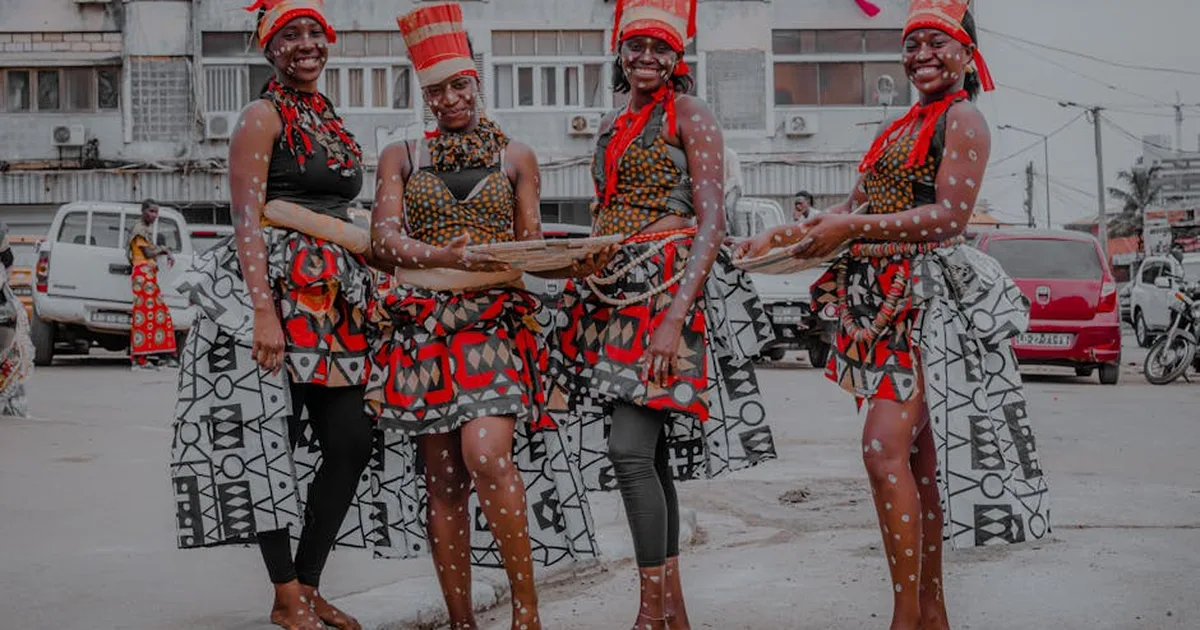
The arrival in Luanda was marked by an atmosphere of celebration and welcome, with thousands of faithful expressing their affection for the Successor of Peter. In Angola, where Catholics represent a significant portion of the population, the visit took on special meaning, becoming a moment of encouragement and hope for all Christians in the country.
Joy as Political and Spiritual Virtue
In his address to Angolan authorities, Pope León XIV developed a profound reflection on the concept of joy, presenting it not as a passing emotion but as a virtue capable of transforming societies. "Authentic joy," the Pontiff affirmed, "springs from encountering God and translates into fraternal and just relationships." This perspective echoes the words of the Apostle Paul: "Rejoice in the Lord always. I will say it again: Rejoice!" (Philippians 4:4 NIV).
The Pope emphasized how African joy, often maintained despite difficulties, represents a precious gift for the entire human family. In a world marked by individualism and pessimism, the capacity for joy becomes a testimony of hope and spiritual resilience. This joy does not ignore suffering but transfigures it through faith, becoming a source of personal and communal renewal.
"Blessed are those who mourn, for they will be comforted" (Matthew 5:4 NIV)
Overcoming Exploitation Dynamics
A central aspect of León XIV's message concerns the need to overcome dynamics that reduce people and territories to mere resources for exploitation. The Pope spoke clearly against "chains of interest that turn life into merchandise," inviting recognition of the inviolable dignity of every human being. This ethical call is founded on the Christian vision of creation, where every person is made in God's image and deserves respect.
Special attention was given to younger generations, called to build a different future. "Young people," the Pontiff said, "can become artisans of a new sociality, free from the slavery of materialism and the ephemeral." This perspective finds resonance in the book of Proverbs: "The righteous lead blameless lives; blessed are their children after them!" (Proverbs 20:7 NIV).
Concrete Solidarity
Even before beginning his official addresses, Pope León XIV wanted to express closeness to populations affected by recent floods in Benguela province. This gesture demonstrates how pastoral concern must translate into concrete attention toward those who suffer, following the example of Jesus who "went around doing good and healing all" (Acts 10:38 NIV).
Building Together a Hope Project
The Pontiff's final invitation was to work together to make Angola "a project of hope." This goal requires collaboration from all social components: authorities, civil society, religious communities, and individual citizens. Christian hope, as Romans reminds us, "does not put us to shame, because God's love has been poured out into our hearts through the Holy Spirit, who has been given to us" (Romans 5:5 NIV).
León XIV's visit to Angola is part of a broader journey of dialogue and accompaniment of African Churches, recognizing their fundamental role in the present and future of Christian faith. The message of joy and hope that the Pope shared resonates as a call to rediscover the beauty of community life and commitment to the common good.





Comments