
During his stay in Algiers, Pope León XIV acknowledged the deep spiritual connection of the Algerian people. In his meeting with representatives from politics, civil society, and the diplomatic corps, the Pontiff emphasized the common vocation of all human beings as children of God. This visit marks a significant stage in ecumenical and interreligious dialogue, which is of great importance to the Christian community worldwide.
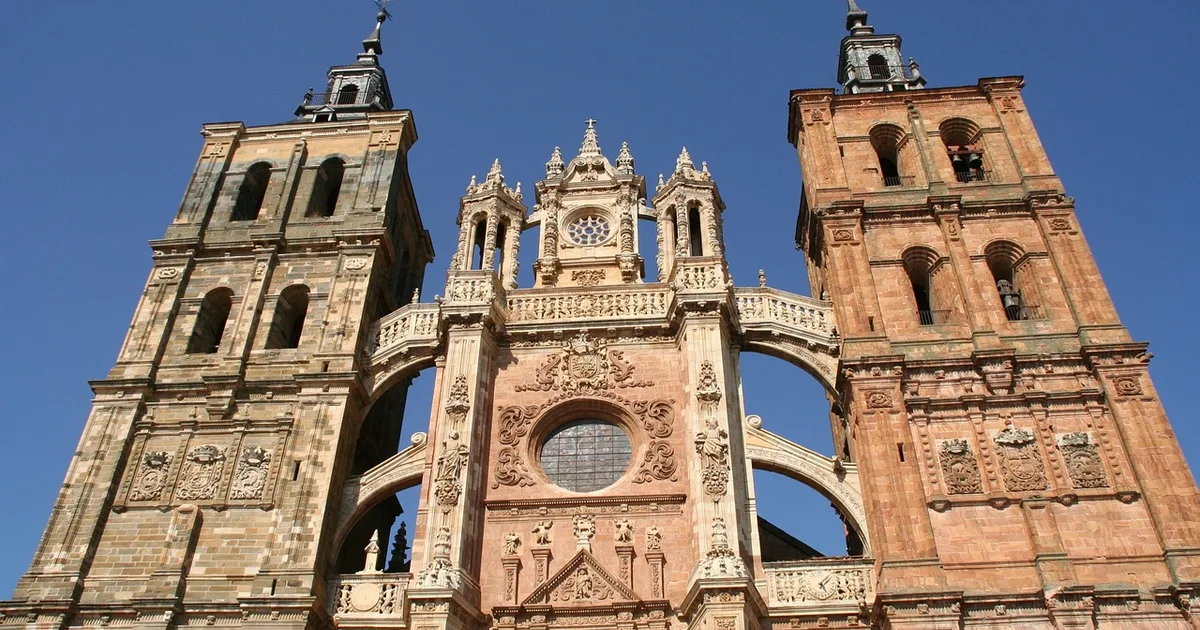
Spiritual Roots and Fraternal Encounter
In his address, Pope León XIV recalled his previous visits to the region, particularly to Annaba, the hometown of Saint Augustine. "By divine providence, I have had the privilege of returning to this place as the successor of Peter," the Pope stated. He described himself as a "pilgrim of peace," who comes with the longing to meet the Algerian people. This formulation underscores the humble attitude with which Christians should seek encounters.
"So in Christ Jesus you are all children of God through faith." (Galatians 3:26, NIV)
The reference to the shared divine sonship of all people forms the theological foundation for interreligious dialogue. Pope León XIV emphasized that this conviction is not a theoretical doctrine but has practical consequences for coexistence.
Social Values in Christian Light
Particularly noteworthy is the Pope's appreciation of Algerian social values. He spoke of the "rootedness in solidarity, hospitality, and community" that characterizes the daily life of many people. These values align with central Christian virtues, as already described in the New Testament.
"Keep on loving one another as brothers and sisters. Do not forget to show hospitality to strangers, for by so doing some people have shown hospitality to angels without knowing it." (Hebrews 13:1-2, NIV)
The Pope addressed a special message to those who live in humility and justice. He called them "the strong" and "the future"—a statement reminiscent of Jesus' Beatitudes.
Warning Against Societal Dangers
In clear terms, Pope León XIV warned against the dangers of inequality and exclusion. "A religion without mercy and a social life without solidarity are a scandal in the eyes of God," he stressed. This statement challenges Christians to live their faith consistently in active love of neighbor.
Particularly remarkable is his criticism of systems that accumulate wealth and remain indifferent to the needs of others. The Pope reminded that in our neighbor we must always recognize the image of God—a fundamental biblical truth.
"Whoever claims to love God yet hates a brother or sister is a liar. For whoever does not love their brother and sister, whom they have seen, cannot love God, whom they have not seen." (1 John 4:20, NIV)
Responsibility of Leaders
Pope León XIV encouraged those in positions of responsibility in Algeria to promote a vibrant and free civil society. He particularly emphasized the importance of youth for the country's future. "Young people carry within them the capacity to expand the horizon of hope for all," the Pontiff stated.
The true vocation of leaders consists not in dominating others but in serving the people and their development. This servant attitude corresponds to the example of Jesus Christ, who came "to serve, and to give his life as a ransom for many" (Mark 10:45).
Political Action in Light of Faith
The Pope defined political action as the pursuit of justice, without which there can be no true peace. This manifests concretely in promoting dignified living conditions for all people. This statement recalls the prophetic tradition calling for the building of more just and fraternal societies.





Comments