
As Pope León XIV traveled over central Africa on April 21, 2026, he took a moment to reflect on the life and ministry of his predecessor, Pope Francis, who passed away one year earlier. This aerial remembrance wasn't merely ceremonial—it symbolized how Francis' spiritual vision transcended boundaries and reached the forgotten corners of our world. The current pope's gesture reminds us that Christian leadership isn't about position but about continuing the work of compassion that defines our faith. In a world often divided by walls, both physical and ideological, Francis modeled a Christianity that builds bridges instead.
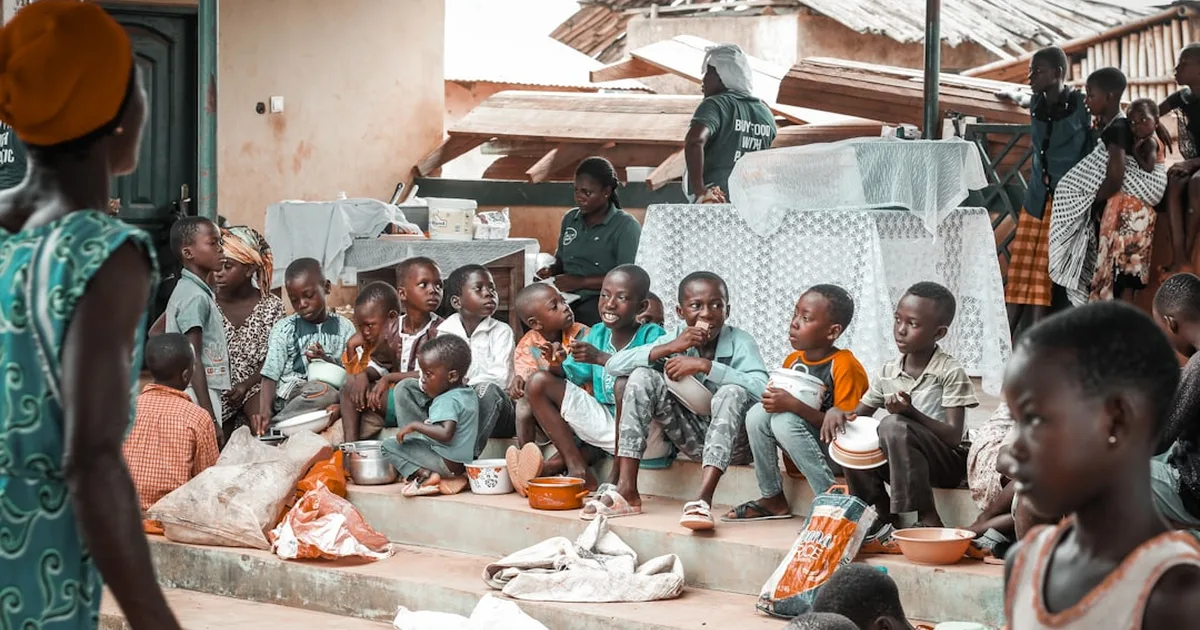
What made Francis' approach so distinctive was his consistent emphasis on mercy as the heartbeat of Christian life. He didn't just speak about compassion from a distance—he lived it through personal encounters with those society had pushed to the margins. This wasn't a new theological innovation but a recovery of something deeply biblical and essential to following Jesus. When we look at the gospel accounts, we see Jesus consistently drawn to those others avoided—the sick, the outcasts, the sinners, and the poor.
"Blessed are the merciful, for they will be shown mercy." (Matthew 5:7, NIV)
The Biblical Foundation of Mercy and Compassion
The concept of mercy runs like a golden thread through Scripture, from Genesis to Revelation. In the Old Testament, we see God's hesed—that steadfast, covenantal love and mercy—extended repeatedly to Israel despite their failures. The prophets consistently called God's people to practice justice and mercy, reminding them that religious rituals meant nothing without compassion for the vulnerable. Micah's famous summation captures this perfectly: "He has shown you, O mortal, what is good. And what does the Lord require of you? To act justly and to love mercy and to walk humbly with your God." (Micah 6:8, NIV)
In the New Testament, Jesus embodies and amplifies this message of mercy. His parables—the Good Samaritan, the Prodigal Son, the Unmerciful Servant—all revolve around the transformative power of mercy received and given. He didn't just teach about mercy; He demonstrated it through healing the sick, forgiving sinners, and welcoming children. Perhaps most strikingly, Jesus identified Himself with the marginalized, saying, "Truly I tell you, whatever you did for one of the least of these brothers and sisters of mine, you did for me." (Matthew 25:40, NIV)
The early church continued this emphasis, with James writing that "Religion that God our Father accepts as pure and faultless is this: to look after orphans and widows in their distress and to keep oneself from being polluted by the world." (James 1:27, NIV) This practical outworking of faith—caring for the vulnerable—wasn't an optional add-on but essential to authentic Christianity.
Mercy in Action: Beyond Words to Deeds
Pope Francis' ministry demonstrated that mercy isn't merely a theological concept but a way of being in the world. His visits to prisons, refugee camps, and impoverished communities weren't photo opportunities but genuine encounters where he listened, embraced, and affirmed the dignity of each person. This approach challenges all Christians to move beyond theoretical discussions about poverty and injustice to personal engagement with those affected.
When we examine the life of Jesus, we see this same pattern of engagement. He didn't send disciples to heal from a distance; He touched lepers, dined with tax collectors, and conversed with Samaritan women. This physical, personal involvement communicated value and belonging to those society had rejected. In our digital age, where we can "like" causes without ever encountering people, Francis' example calls us back to incarnational ministry—being physically present with those who suffer.
"Carry each other's burdens, and in this way you will fulfill the law of Christ." (Galatians 6:2, NIV)
The Challenge of Closeness: Moving Toward the Marginalized
One of the most challenging aspects of Francis' legacy is his insistence on "closeness"—not just helping from a distance but entering into the spaces and experiences of the poor and marginalized. This requires vulnerability, as we must acknowledge our own limitations and need for transformation through these encounters. Closeness disrupts our comfort and challenges our assumptions about who has wisdom to offer and who needs to receive.
Biblical examples of this principle abound. Jesus' interaction with Zacchaeus involved not just speaking words of salvation but inviting Himself into the tax collector's home—a scandalous act of closeness that transformed both Zacchaeus and the watching community. The early church practiced radical closeness by sharing possessions so "there were no needy persons among them" (Acts 4:34, NIV). This wasn't impersonal charity but community where everyone's needs mattered.
In practical terms, closeness might mean:
- Volunteering in ways that involve relationship-building, not just task completion
- Listening to the stories and perspectives of those different from ourselves
- Examining how our lifestyles and choices affect the vulnerable
- Advocating for policies that protect human dignity
- Creating spaces in our churches where everyone feels truly welcome
This approach requires humility, recognizing that we have as much to receive as to give in these encounters. As Paul wrote to the Philippians, "Do nothing out of selfish ambition or vain conceit. Rather, in humility value others above yourselves, not looking to your own interests but each of you to the interests of the others." (Philippians 2:3-4, NIV)
Continuing the Legacy: Practical Steps for Today's Christians
Pope León XIV's remembrance of his predecessor invites us not merely to admire Francis' legacy but to continue it in our own contexts. Every Christian community—whether large congregation or small home group—has opportunities to embody mercy and closeness. This begins with examining our priorities, budgets, and programming to ensure we're not just serving ourselves but reaching those Jesus called "the least of these."
Mercy starts with perception—learning to see people as God sees them, with inherent dignity and worth regardless of their circumstances. It continues with presence—making time to be with people, not just do things for them. It culminates in partnership—working alongside rather than imposing solutions. This approach transforms both the giver and receiver, creating mutual blessing and deeper understanding of God's kingdom.
Consider these practical applications:
- Start small but start somewhere—regularly visit a nursing home, tutor a struggling student, or mentor someone facing challenges
- Educate yourself about local needs through relationships rather than just statistics
- Examine your giving—does it include organizations that practice relational ministry?
- Create spaces in your church where people can share struggles without judgment
- Pray for eyes to see the overlooked people in your daily path
Remember that mercy isn't measured by grand gestures but by consistent, small acts of love. As Jesus said, "Whoever is faithful with very little will also be faithful with much." (Luke 16:10, NIV) Our faithfulness in small mercies prepares us for greater opportunities to reflect God's compassion.
Reflection and Response
As we consider Pope Francis' legacy of mercy and Pope León XIV's tribute to that legacy, we're invited to reflect on our own lives and communities. Where have we experienced God's mercy in tangible ways? How might we extend that same mercy to others, particularly those society marginalizes? What practical step could you take this week to move closer to someone who needs compassion?
Mercy isn't just a theme for papal reflections but the very fabric of Christian discipleship. It's how we embody the love of Christ in a hurting world. Whether we serve in prominent leadership or quiet obscurity, each of us can contribute to this legacy through simple acts of kindness, presence, and advocacy. The anniversary of Francis' passing isn't just about remembering what was but about continuing what remains unfinished—the work of building a more compassionate world that reflects God's heart for all people.
As you go about your week, consider carrying this question with you: "Who in my sphere of influence needs to experience God's mercy through me today?" Then prayerfully look for opportunities to answer that question through action. In doing so, you'll join a great cloud of witnesses—from biblical figures to modern servants like Francis—who have made mercy their mission and closeness their method.





Comments