
In a recent gathering with Algeria's Catholic community, Pope León XIV offered heartfelt reflections on the enduring witness of Christian martyrs in the North African nation. The meeting, characterized by its pastoral warmth, focused on how the sacrifices of those who gave their lives for their faith continue to inspire believers today. The Pope emphasized that their legacy is not confined to history books but lives on as a powerful testimony to Christian commitment.
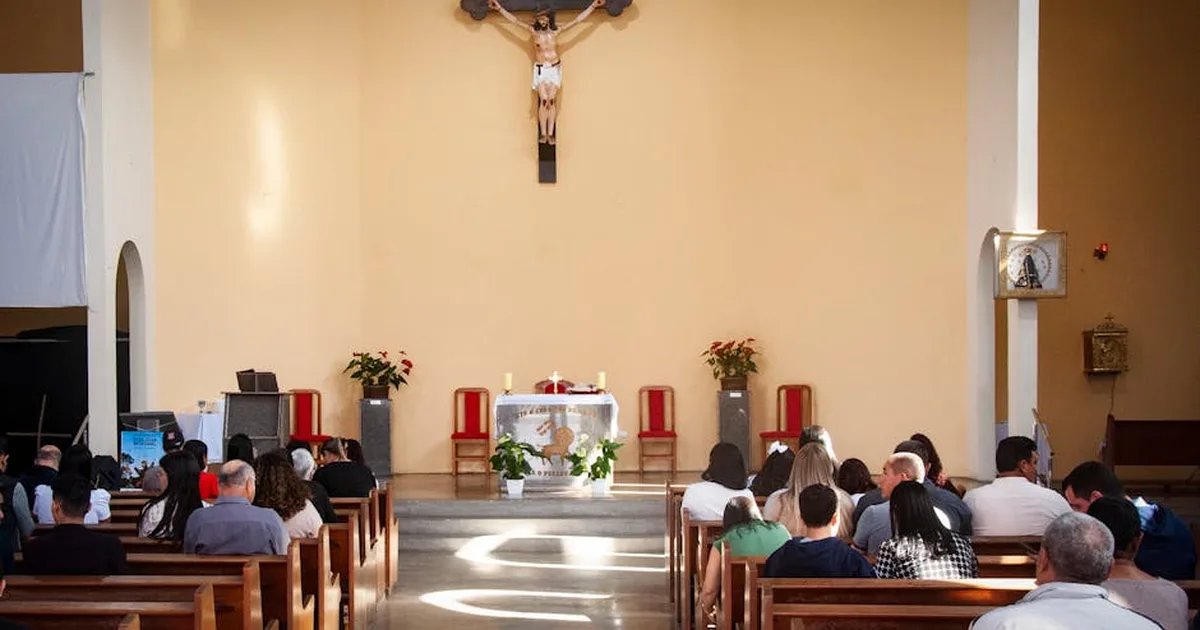
Algeria's Christian community, though small in number, carries a profound historical and spiritual significance. From the early centuries of Christianity to more recent times, believers in this region have often faced challenges for their faith. Pope León's words sought to acknowledge this journey while encouraging present-day Christians to draw strength from the faithfulness of those who came before them.
The gathering represented more than just a historical remembrance—it was a moment of spiritual solidarity. As Pope León spoke, he connected the Algerian experience with the broader Christian understanding of witness, sacrifice, and hope. This approach reflects the ecumenical spirit of platforms like EncuentraIglesias.com, which seek to honor diverse Christian experiences without denominational bias.
The Living Legacy of Christian Witness
Pope León XIV's reference to martyrs' blood as "a living seed that never ceases to bear fruit" echoes a deep biblical truth about how God works through sacrifice and faithfulness. This imagery finds resonance in Scripture, where the concept of seeds bearing fruit appears multiple times as a metaphor for spiritual growth and legacy.
"Very truly I tell you, unless a kernel of wheat falls to the ground and dies, it remains only a single seed. But if it dies, it produces many seeds." (John 12:24, NIV)
This passage from John's Gospel captures the paradoxical nature of Christian witness—that through sacrifice comes multiplication, and through loss comes gain. The martyrs of Algeria, like countless other Christians throughout history, embodied this principle in the most profound way possible. Their ultimate sacrifice became a source of inspiration and strength for others.
The concept of witness—"martyr" literally means "witness" in Greek—reminds us that every Christian is called to testify to their faith in some way. While most will never face physical persecution, all believers can learn from those who remained faithful under extreme pressure. Their stories challenge us to consider what we're willing to stand for in our own contexts.
Historical Context of Christianity in Algeria
Christianity in Algeria has roots stretching back to the early centuries of the faith. Notable figures like Saint Augustine, born in what is now Algeria, contributed significantly to Christian theology and thought. This rich history provides context for understanding the more recent experiences of Christian communities in the region.
In modern times, Algeria's Christian population has included both indigenous believers and those from other backgrounds. Their experiences of faith have varied, but throughout, the theme of witness has remained constant. Whether through quiet daily faithfulness or more public declarations, Algerian Christians have contributed to the global tapestry of Christian experience.
Understanding this history helps contemporary believers appreciate the depth of the legacy Pope León referenced. It's not merely about specific events or individuals but about a continuous thread of faithfulness that connects generations of believers across time and circumstance.
Biblical Foundations of Faithful Witness
The Bible offers numerous examples of individuals who remained faithful despite opposition or danger. From the prophets of the Old Testament to the apostles of the New Testament, Scripture consistently presents witness as an integral part of the believer's journey. These biblical narratives provide a framework for understanding contemporary examples of faithfulness.
"Therefore, since we are surrounded by such a great cloud of witnesses, let us throw off everything that hinders and the sin that so easily entangles. And let us run with perseverance the race marked out for us." (Hebrews 12:1, NIV)
The "cloud of witnesses" mentioned in Hebrews refers not only to biblical figures but to all who have gone before us in faith. This includes the Algerian martyrs honored by Pope León XIV. Their stories join this great cloud, encouraging present-day believers to run their own races with perseverance and hope.
Several key principles emerge from biblical teaching on witness:
- Faithfulness often involves sacrifice
- God honors those who remain true to their convictions
- Our witness impacts others in ways we may never fully see
- Eternal perspective transforms how we view temporary challenges
These principles apply whether one lives in a context of religious freedom or faces opposition for their beliefs. They remind us that Christian witness is ultimately about pointing to something—and Someone—greater than ourselves.
The Role of Community in Sustaining Faith
Pope León's meeting with Algeria's Catholic community highlights another important aspect of Christian witness: the role of community. Faith is rarely sustained in isolation. The gathering, fellowship, and mutual encouragement of believers help strengthen individual and collective commitment.
In contexts where Christians are a minority, community takes on particular significance. Shared worship, prayer, and support become vital means of maintaining identity and hope. The Algerian Christian community, though small, demonstrates how believers can support one another while also engaging respectfully with their broader society.
This aspect of Christian experience reminds us that witness isn't just individual—it's communal. Our faithfulness affects others, and their faithfulness strengthens us. This mutual encouragement reflects the biblical ideal of the Church as a body where each part supports the others.
Contemporary Applications and Reflections
While honoring martyrs from the past, Pope León's message also speaks to Christians today. In a world where religious expression takes many forms and faces various challenges, the example of faithful witness remains relevant. Believers in different contexts can draw inspiration from those who remained steadfast under pressure.
For most Christians, witness won't involve physical sacrifice but will manifest in daily choices: how we treat others, what priorities guide our decisions, how we respond to difficulties, and where we place our ultimate hope. These everyday testimonies, though less dramatic than martyrdom, still reflect our commitment to following Christ.
The concept of seeds bearing fruit suggests that our influence often extends beyond what we immediately see. Small acts of faithfulness, like seeds planted in soil, may produce results we never witness directly. This perspective encourages perseverance even when immediate outcomes aren't visible.
Practical Ways to Cultivate Faithful Witness
How can contemporary Christians cultivate the kind of faithfulness exemplified by Algeria's martyrs? Several practical approaches emerge:
- Deepen spiritual roots: Regular prayer, Scripture reading, and worship strengthen our connection to God, making us more resilient in challenges.
- Build supportive community: Connecting with other believers provides encouragement and accountability.
- Study examples of faithfulness: Learning about Christians from different times and places broadens our understanding of what witness can look like.
- Practice everyday integrity: Consistency between our beliefs and actions in ordinary situations builds credibility for times when greater challenges arise.
These practices don't guarantee we'll never face difficulties, but they prepare us to respond with faithfulness when challenges come. They help us develop the spiritual resources needed to stand firm in our convictions.
Personal Reflection and Application
As we consider the witness of Algeria's Christian martyrs and Pope León's reflections on their legacy, several questions might guide our personal reflection:
What does faithful witness look like in my specific context? How can I honor those who have sacrificed for their faith while living out my own commitment in today's world? What seeds am I planting through my daily choices and actions?
These questions invite us to move beyond theoretical appreciation to practical application. They challenge us to consider how the legacy of faithfulness connects to our present reality. Whether we face minor inconveniences or significant challenges for our beliefs, the principle remains: our witness matters, and its effects may extend far beyond what we imagine.
Perhaps the most encouraging aspect of Pope León's message is its emphasis on hope. The imagery of seeds bearing fruit points toward growth, renewal, and future harvest. Even in remembering sacrifice, the focus remains on life and what God can bring from difficult circumstances. This hopeful perspective sustains believers across generations and circumstances.
As we conclude this reflection, consider taking a moment to pray for Christians in Algeria and around the world who seek to live out their faith with integrity and courage. Their journey, like ours, is part of the larger story of God's work in human history—a story that continues to unfold through ordinary people living extraordinary faithfulness in their particular contexts.





Comments