
Pope Leo XIV, elected in May 2025 following the death of Pope Francis, is set to make his first official visit to France in September. The trip will include a significant stop at UNESCO headquarters in Paris, highlighting the Church's commitment to dialogue, education, and cultural preservation. This visit comes at a time when global cooperation is more important than ever, and the Pope's presence is expected to foster conversations on peace, human dignity, and the role of faith in public life.
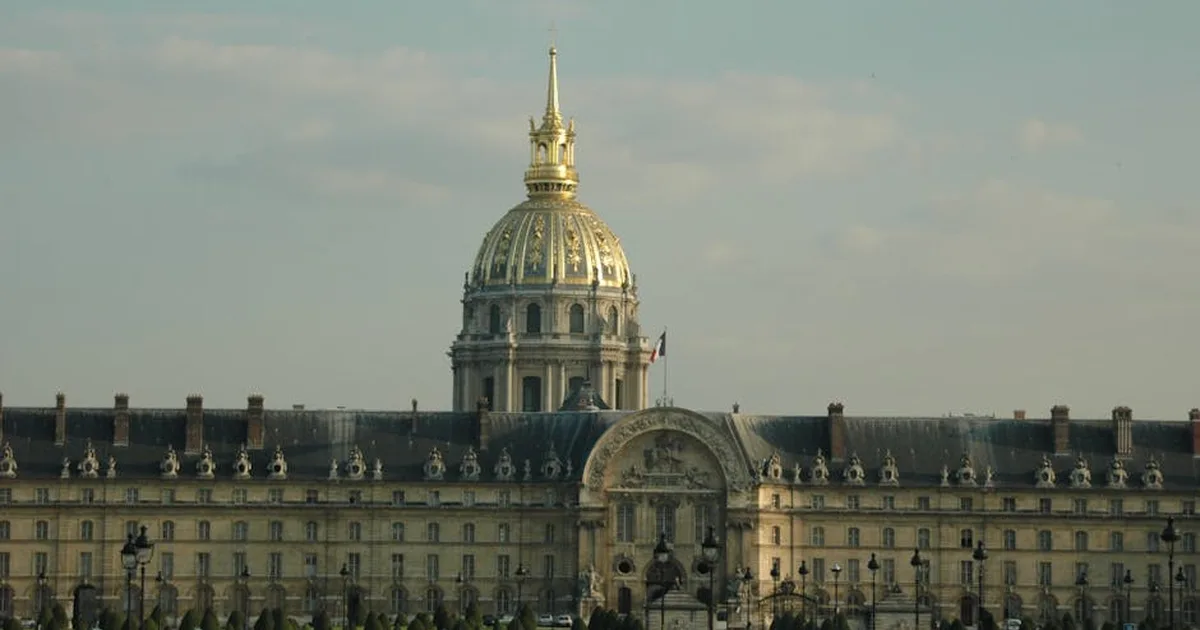
The Vatican announced the itinerary earlier this week, noting that the Pope will spend several days in France, meeting with religious leaders, government officials, and representatives from various faith communities. The stop at UNESCO underscores the Church's longstanding support for education and science, as well as its dedication to protecting cultural heritage worldwide.
Why UNESCO Matters
UNESCO, the United Nations Educational, Scientific and Cultural Organization, has a mission that aligns closely with the Church's social teachings: promoting peace through international cooperation in education, science, and culture. Pope Leo XIV, known for his diplomatic skills and emphasis on interfaith dialogue, is expected to deliver a major address at UNESCO on the importance of safeguarding human dignity in an era of rapid technological change.
In his encyclical on human fraternity, Pope Francis had called for a global ethic of solidarity. Pope Leo is likely to build on that foundation, urging world leaders to invest in education as a path to peace. The visit also comes at a time when UNESCO faces challenges, including funding shortfalls and political tensions. The Pope's support could bolster the organization's morale and reaffirm its relevance.
A Message of Hope
During his address, the Pope may reference the biblical call to be peacemakers. As Jesus said in the Beatitudes, "Blessed are the peacemakers, for they shall be called sons of God" (Matthew 5:9, ESV). This message resonates deeply in a world marked by conflict and division. The Pope's visit to UNESCO is a reminder that faith and reason can work together for the common good.
The Broader Context of the Papal Visit
France has a complex relationship with the Catholic Church, rooted in its secular tradition of laïcité. However, the country remains home to a vibrant Catholic community, and the Pope's visit is eagerly anticipated. Beyond UNESCO, the Pope will celebrate Mass at Notre-Dame Cathedral, which is still undergoing restoration after the 2019 fire. This will be a powerful symbol of resilience and renewal.
The Pope is also scheduled to meet with young people, immigrants, and the poor, emphasizing the Church's preferential option for the marginalized. In a world where many feel excluded, these encounters offer a message of hope and inclusion.
Interfaith Dialogue
France is home to significant Muslim and Jewish communities, and the Pope's itinerary includes meetings with interfaith leaders. This reflects the Church's commitment to building bridges, as emphasized in the Second Vatican Council's declaration Nostra Aetate. The Pope's message is likely to echo the words of St. Paul: "For he himself is our peace, who has made us both one and has broken down in his flesh the dividing wall of hostility" (Ephesians 2:14, ESV).
Practical Implications for Christians
As Christians, we are called to be agents of reconciliation in our own communities. The Pope's visit to France and UNESCO challenges us to think about how we can contribute to peace and understanding in our daily lives. Whether through volunteering, supporting educational initiatives, or simply listening to those with different perspectives, we can embody the love of Christ.
Let us pray for the success of this papal visit and for all those who work for peace. May we be inspired to be peacemakers in our own spheres of influence.
"Blessed are the peacemakers, for they shall be called sons of God." — Matthew 5:9 (ESV)
Reflect on this: How can you be a peacemaker in your family, workplace, or church this week?





Comments