
In April 2026, Pope Leo XIV made an apostolic visit to Algeria that resonated with special meaning in the hearts of the global Christian community. As the first pontiff belonging to the Order of Saint Augustine, his pilgrimage to the ancient city of Hippo, now Annaba, represented much more than a formal journey. It was a return to the spiritual roots that have marked his vocation for decades.
Since his election in May 2025, the Holy Father has expressed on multiple occasions his identity as a "spiritual son of Saint Augustine." This connection became tangible as he walked through the same places where the great Doctor of the Church developed his ministry over sixteen centuries ago. The visit occurred at a particular moment in his pontificate, just eleven months after assuming the Petrine ministry.
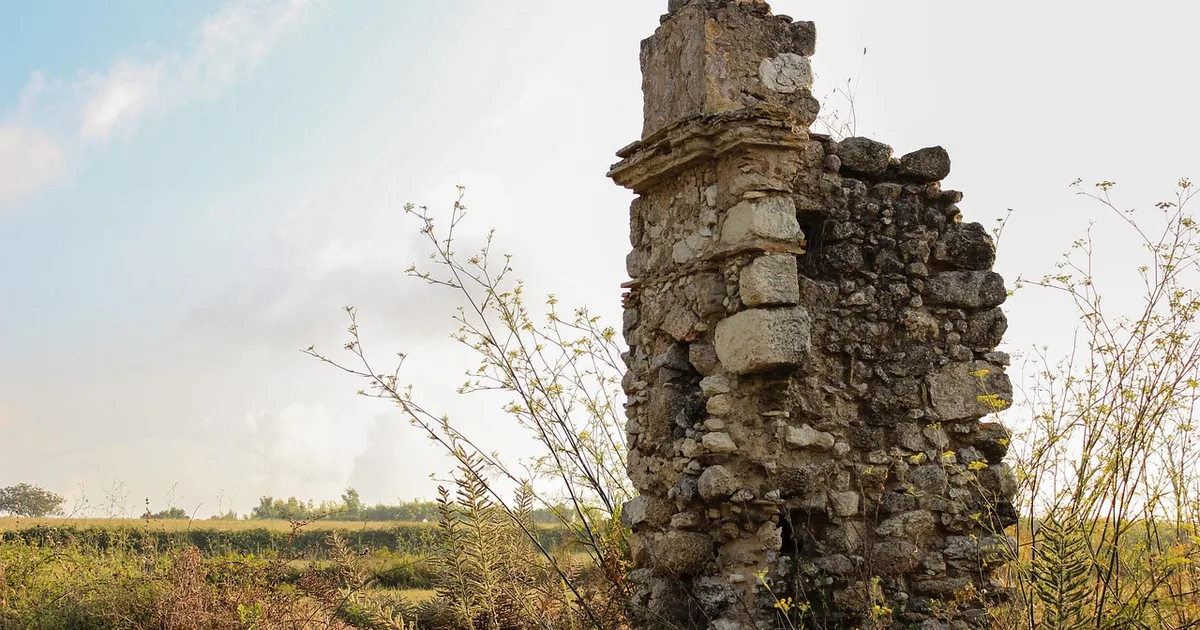
The archaeological site of Hippo, a silent witness to Augustine's life and teachings, welcomed the successor of Peter with that characteristic peace of holy places. There, among ruins that speak of history and faith, Leo XIV found space for reflection and dialogue with his spiritual father.
The Footprints of Saint Augustine in Algerian Soil
Saint Augustine of Hippo, one of the most influential Christian thinkers of all time, developed much of his work precisely in this North African region. Born in Tagaste (present-day Souk Ahras) in 354 AD, he became bishop of Hippo, where he served his community until his death in 430 during the Vandal siege of the city.
His writings, especially "Confessions" and "The City of God," continue to illuminate the path for millions of believers worldwide. In them we find that sincere search for God that characterizes the human heart when opened to divine grace. As Augustine himself wrote: "You have made us for yourself, O Lord, and our heart is restless until it rests in you" (Confessions I,1).
The ruins of the basilica where he preached, the remains of the library that housed his texts, and the landscape that inspired his meditations form part of that spiritual heritage that transcends centuries and borders. It is in these places that salvation history becomes concrete and tangible for present generations.
A Legacy That Endures
Augustinian thought has profoundly influenced Western Christian theology. His understanding of grace, his reflection on the Trinity, and his vision of the Church as a community of pilgrims journeying toward the heavenly homeland remain relevant today. Pope Leo XIV's visit to these sacred places invites us to rediscover this spiritual legacy.
In a world marked by haste and superficiality, the depth of Augustinian thought reminds us of the importance of interiority, examination of conscience, and that constant search for truth found only in God. As Scripture teaches us: "Seek the Lord while he may be found; call on him while he is near" (Isaiah 55:6, NIV).
Dialogue and Reconciliation: The Heart of the Papal Message
The Holy Father's visit to Algeria had significant ecumenical and interreligious dimensions. In a predominantly Muslim country, his presence was a concrete gesture of dialogue and mutual respect. This approach reflects the spirit of Vatican II and the consistent teaching of recent pontiffs on human fraternity.
Leo XIV, following the example of his predecessor Pope Francis who passed away in April 2025, has emphasized the importance of encounter between different religious traditions. In a speech during his visit, he recalled that "we are all children of the same God, created in his image and likeness" (Genesis 1:27, NIV). This fundamental truth forms the basis for building bridges of understanding and collaboration.
Interreligious dialogue is not merely a strategy for peaceful coexistence but a theological imperative rooted in our common creation. The Pope's presence in Algeria, where Christians form a small minority, demonstrated that faith can be a catalyst for unity rather than division. His gentle approach, marked by listening and respect, offered a model for how Christians can engage with neighbors of other faiths while remaining rooted in their own tradition.
This pilgrimage to Hippo thus becomes a powerful symbol for contemporary Christianity—a reminder that our faith is both deeply rooted in specific historical traditions and universally oriented toward all humanity. As we reflect on Pope Leo XIV's journey, we are invited to consider how our own spiritual roots can inspire greater openness, dialogue, and service in today's world.





Comments