
In this time when conflicts tear apart so many nations, the voice of the Holy Father resonates with particular urgency. Pope Leo XIV, elected in May 2025 following the passing of Pope Francis, recently addressed the faithful during a Marian vigil for peace. His message, deeply rooted in Christian tradition, invites us to consider the spiritual roots of the divisions afflicting our world.
God's Logic Versus the Logic of Power
The Supreme Pontiff clearly distinguished two irreconcilable paths: that of force and that of hope. While our age often seems to privilege demonstrations of power, the pope reminds us that this approach inevitably leads to division. He speaks frankly about what he calls "the idolatry of self," that tendency to place oneself at the center of everything, which generates violence and disorder.
This analysis connects with the wisdom of Scripture. The apostle James warns us: "What causes fights and quarrels among you? Don't they come from your desires that battle within you?" (James 4:1, NIV). External disorder often proceeds from internal disorder, from a heart that has lost its fundamental orientation toward God and neighbor.
Prayer: Far More Than Comfort
Leo XIV profoundly redefines our understanding of prayer. Far from being a simple escape or superficial comfort, prayer constitutes genuine commitment. It educates the one who prays, transforms their perspective, and guides their decisions. In a world dominated by immediacy, this patient and persevering practice represents radical counter-witness.
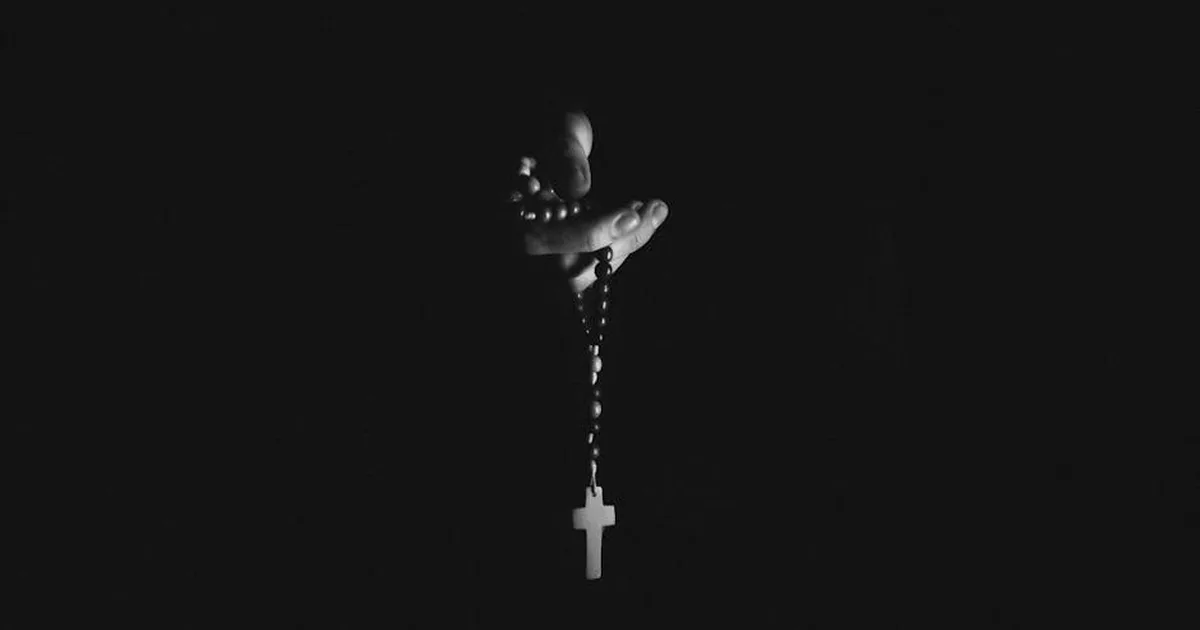
The Rosary, particularly dear to Pope Francis whose legacy Leo XIV continues, is presented as a "school of peace." Its meditative repetition of the mysteries of Christ's life forms us in the patience, fidelity, and perseverance necessary to build lasting peace. As the apostle Paul reminds us: "Do not be anxious about anything, but in every situation, by prayer and petition, with thanksgiving, present your requests to God. And the peace of God, which transcends all understanding, will guard your hearts and your minds in Christ Jesus" (Philippians 4:6-7, NIV).
A Shared Responsibility
The pope's message certainly addresses political leaders, whom he firmly exhorts to renounce confrontational logic. But he also extends this responsibility to every baptized person. "Each has their place in the mosaic of peace," he affirms, thus reminding us of our personal part in building a more fraternal world.
This vision joins that of the prophet Micah: "He has shown you, O mortal, what is good. And what does the Lord require of you? To act justly and to love mercy and to walk humbly with your God" (Micah 6:8, NIV). Peace begins with personal conversion, with a change of perspective and daily behavior.
The Church: Moral Conscience of the World
The pope courageously emphasizes that the Church must sometimes accept misunderstanding and contempt when it rejects the logic of war. Its mission consists not in accompanying dominant trends, but in illuminating them in the light of the Gospel, even if this means contradicting them. In a context where force tends to impose itself as the norm, this position becomes prophetic witness.
This fidelity to the Gospel, even when costly, recalls Peter's exhortation: "But in your hearts revere Christ as Lord. Always be prepared to give an answer to everyone who asks you to give the reason for the hope that you have. But do this with gentleness and respect" (1 Peter 3:15, NIV).
For a Culture of Encounter
Leo XIV's call aligns with the desire to build bridges where there are walls. He invites us not to resign ourselves to violence, but to become artisans of peace through prayer and daily commitment. In a fragmented world, this message resonates as an urgent invitation to return to the heart of the Christian message: love as the only force capable of transforming history.





Comments