
In recent weeks, the international Christian community has witnessed a complex dialogue between Pope Leo XIV and some voices in the global political landscape. As the Pope, elected in May 2025 following the passing of Pope Francis, continues his ministry of spiritual guidance, his words on peace and reconciliation have generated diverse reactions, especially concerning international conflicts like the one involving Iran.
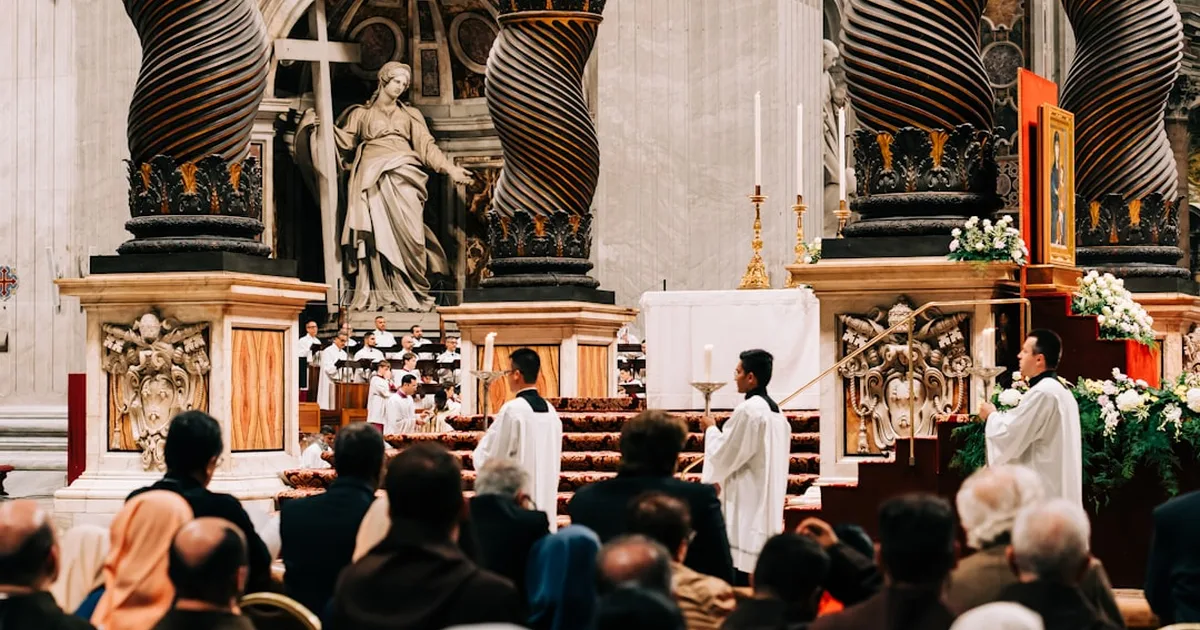
The situation reminds us that the voice of the Successor of Peter, by its very nature, transcends partisan divisions and temporary alliances. His task, as the U.S. bishops recalled in a recent statement, is not that of a political opponent, but of a shepherd calling all believers, and people of good will, to look beyond immediate interests toward the common good of humanity.
The Call to Peace: A Message Rooted in the Gospel
The words spoken by Leo XIV during the Easter season have resonated with particular strength. In his Urbi et Orbi Message, he renewed the appeal for "those who hold weapons to lay them down," an echo of Isaiah's prophecy announcing a time when "they shall beat their swords into plowshares" (Isaiah 2:4). This is not a political stance, but a consequence of faith in Christ, the Prince of Peace.
On Palm Sunday, the Pontiff offered a reflection that touched many hearts: he recalled that Jesus "does not listen to the prayers of those who wage war." This statement, which might seem harsh, invites deep examination of conscience. It asks us: what do we truly pray for? Do we desire the victory of our "side" or the triumph of justice and reconciliation that only God can give?
"Blessed are the peacemakers, for they will be called children of God" (Matthew 5:9 NIV).
This beatitude, at the heart of the Sermon on the Mount, does not promise an easy life to those who seek peace. On the contrary, it often puts them at odds with the world's logic. The peacemaker, as Christ himself shows us, can become a sign of contradiction.
The Christian's Role in the Public Sphere
Reactions to the papal statements offer us an opportunity to reflect on our own attitude as believers living in the world. We are called to be "salt of the earth and light of the world" (Matthew 5:13-14), which implies respectful yet clear engagement in matters concerning human dignity and the common good.
How can we do this concretely?
- Pray sincerely for rulers, as the apostle Paul urges: "I urge, then, first of all, that petitions, prayers, intercession and thanksgiving be made for all people— for kings and all those in authority, that we may live peaceful and quiet lives in all godliness and holiness" (1 Timothy 2:1-2 NIV). Prayer for leaders is not approval of all their choices, but recognition of their responsibility and a request for wisdom from above.
- Discern public issues with the light of the Gospel, without uncritically identifying with a political party. Our heavenly citizenship (Philippians 3:20) gives us a unique perspective that can help us evaluate human proposals in light of the Kingdom's values.
- Practice respectful dialogue, even with those who think differently. Peter's letter reminds us: "Always be prepared to give an answer to everyone who asks you to give the reason for the hope that you have. But do this with gentleness and respect" (1 Peter 3:15 NIV).
Prayer as the Path to Peace
In response to international tensions, Leo XIV announced a prayer vigil for peace that will bring together Catholics and Christians from other traditions. This ecumenical gesture underscores that the pursuit of peace is not the monopoly of one confession, but a common longing of all who follow Jesus. Prayer, rather than a withdrawal from the world, is a powerful way to engage with it, trusting that God can transform hearts and the most difficult situations.
As a community of faith, we are invited to join in this plea, remembering that our strength lies not in political strategy, but in fidelity to the Gospel and trust in the One who said: "Peace I leave with you; my peace I give you. I do not give to you as the world gives. Do not let your hearts be troubled and do not be afraid" (John 14:27 NIV).





Comments