
In April 2026, Pope Leo XIV embarked on his first major international trip as pontiff, visiting several African nations including Equatorial Guinea, Kenya, and the Democratic Republic of Congo. The journey, which took place just months after his election in May 2025, was marked by warm receptions and a clear focus on peace, environmental stewardship, and interfaith dialogue. For Christians around the world, the trip served as a powerful reminder of the universal call to love and serve one another, regardless of denomination or nationality.
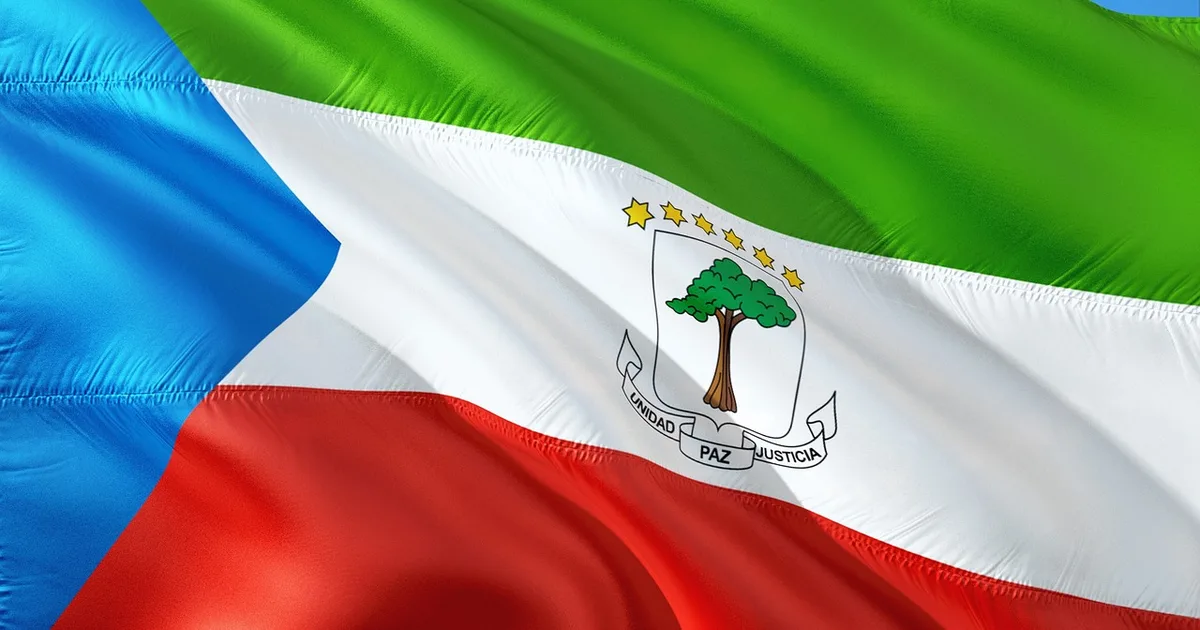
Pope Leo, who succeeded Pope Francis after his passing in April 2025, has quickly established himself as a leader committed to continuing his predecessor's vision of a church that is humble, merciful, and engaged with the world's most pressing issues. His Africa trip was no exception, as he addressed crowds of thousands with messages that resonated deeply with local communities and global audiences alike.
Themes of Peace and Reconciliation
One of the central themes of the visit was peace. In several addresses, Pope Leo called for an end to conflicts that have plagued parts of Africa for decades. He urged political leaders to prioritize dialogue over violence and reminded Christians of their role as peacemakers. As Jesus said in the Beatitudes, 'Blessed are the peacemakers, for they shall be called sons of God' (Matthew 5:9, ESV). This message was particularly poignant in the Democratic Republic of Congo, where ongoing violence in the eastern regions has caused immense suffering.
The Pope also met with representatives of other Christian traditions and non-Christian faiths, emphasizing the importance of unity. In a world often divided by religious differences, his words echoed the prayer of Christ in John 17:21: 'that they may all be one, just as you, Father, are in me, and I in you.' For many observers, this commitment to ecumenism and interfaith harmony was a highlight of the trip.
Environmental Stewardship and Justice
Another key focus was the environment. Pope Leo spoke passionately about the need to protect God's creation, particularly in regions vulnerable to climate change. He referenced the biblical mandate from Genesis 2:15, where humanity is called to 'work and keep' the garden, and urged Christians to advocate for sustainable practices. In Kenya, he visited a reforestation project and praised local efforts to combat deforestation.
The Pope also connected environmental degradation to social justice, noting that the poor often suffer most from pollution and resource depletion. This holistic approach, linking faith with action, inspired many young Christians who are increasingly concerned about the planet's future. His message was clear: caring for the earth is not just a political issue but a spiritual one.
A Call to Courage and Faith
Throughout the trip, Pope Leo encouraged believers to live out their faith boldly. In a meeting with young people in Equatorial Guinea, he said, 'Do not be afraid to speak the truth in love, even when it is difficult.' This call to courage resonated with many who face persecution or discrimination for their beliefs. The Pope reminded them of the words of 2 Timothy 1:7: 'For God gave us a spirit not of fear but of power and love and self-control.'
He also addressed the challenges of poverty and inequality, urging Christians to be agents of change in their communities. By visiting hospitals, schools, and churches, he demonstrated the importance of being present with those who suffer. His example challenged all Christians to consider how they can serve others in their own contexts.
Practical Reflections for Readers
As we reflect on Pope Leo's journey, we are invited to consider our own roles in promoting peace, caring for creation, and living courageously. Perhaps you can start by praying for peace in conflict zones, or by taking small steps to reduce your environmental footprint. You might also reach out to a neighbor of a different faith to build understanding. The Pope's visit reminds us that faith is not meant to be lived in isolation but in active love for God and neighbor.
'Let love be genuine. Abhor what is evil; hold fast to what is good.' — Romans 12:9 (ESV)
How can you embody this verse in your daily life? Consider one specific action you can take this week to be a peacemaker, a steward of creation, or a voice of courage. Share your thoughts with a friend or your church community, and let us encourage one another to follow Christ more faithfully.





Comments