
In a historic moment for Equatorial Guinea and the Catholic Church, Pope Leo XIV recently inaugurated the "Leo XIV" University Campus at the National University of Equatorial Guinea. This event marked not only the beginning of a new academic space but also a deep commitment to the holistic formation of Africa's new generations. The presence of the Pontiff, elected in May 2025 following the passing of Pope Francis in April of the same year, was met with great enthusiasm by hundreds of young people who sang welcome songs and expressed their joy with cheers that echoed through the atmosphere.
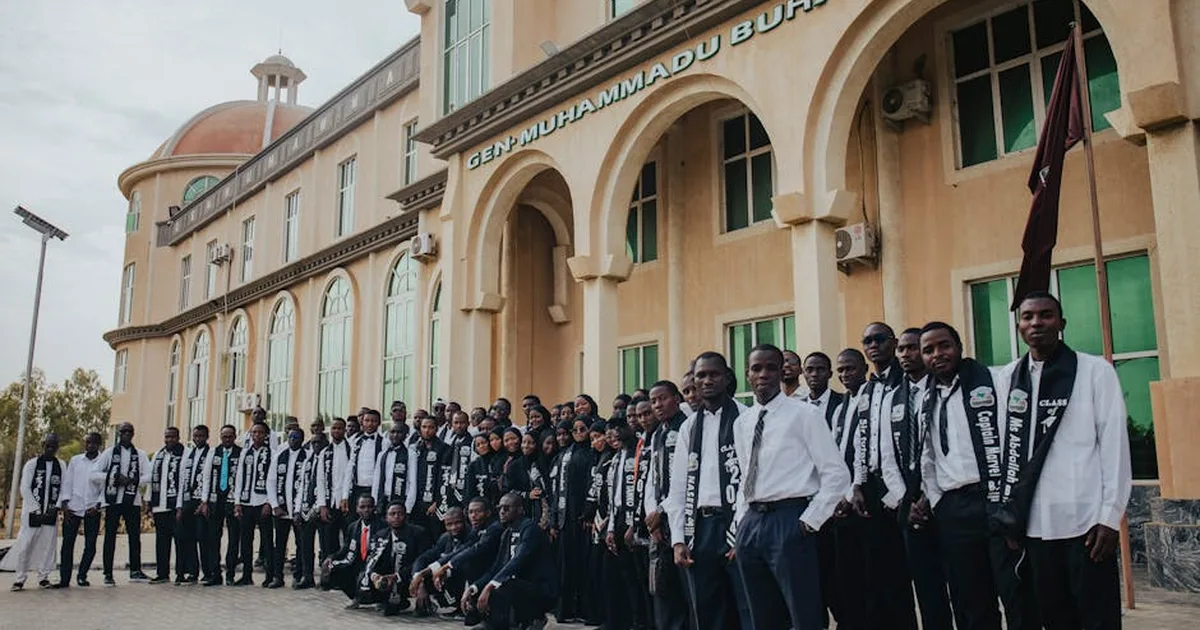
The campus represents much more than buildings and classrooms: it symbolizes a bet on Africa's future, where education becomes a tool for social and spiritual transformation. In his inaugural address, Pope Leo XIV emphasized that true education must seek the complete development of the person, integrating faith, reason, and freedom. This approach responds to humanity's deepest needs, which yearn not only for technical knowledge but also for wisdom to live fully.
The choice of Equatorial Guinea for this educational project is not accidental. This African country, with its rich cultural diversity and unique history, becomes a privileged space to build bridges between the Christian faith and the integral development of societies. The campus will serve as a training center for young people from across the region, offering opportunities that were previously limited and opening paths of hope for entire communities.
Education That Integrates Faith and Reason
The Pope's central message during the inauguration revolved around a vision of education that goes beyond mere information transmission. "Christ is truth, reason, and freedom," affirmed the Pontiff, reminding that these three dimensions must be present in every authentic educational process. This perspective finds echo in Scripture, where wisdom is presented as a precious gift that illuminates all aspects of life.
"Then you will know the truth, and the truth will set you free" (John 8:32, NIV)
This freedom that Jesus speaks of is not simply the absence of restrictions, but the capacity to live according to our deepest dignity as children of God. Education, when grounded in truth, liberates from ignorance, prejudice, and self-imposed limitations. It enables people to discover their unique vocation and contribute to the common good from their specific talents.
In the current African context, where many countries face complex challenges of development, poverty, and inequality, this educational vision acquires special relevance. Training competent professionals is important, but forming people of integrity who seek the good of their communities is transformative. The Leo XIV Campus aspires to be a seedbed for leaders who combine academic excellence with ethical commitment and service to those most in need.
Youth as Protagonists of Change
The young people who crowded the place during the inauguration were not mere spectators, but central protagonists of this project. Their songs and expressions of joy manifested the hope that this campus represents for their future. In Africa, where more than 60% of the population is under 25, investing in youth is not an option but an urgent necessity to build more just and peaceful societies.
The Pope directed especially significant words to these young people, encouraging them to be active builders of their own destiny and that of their nations. He reminded them that education is a path that requires perseverance and courage, but leads to human fulfillment. This pastoral closeness with the new generations reflects the style that also characterized Pope Francis, whose legacy continues to inspire the Church's mission in the world.





Comments