
During his apostolic journey touching several African nations, Pope Leo XIV made a stop in Angola, a country rich in history and faith, yet marked by deep contradictions. His arrival in Luanda was welcomed by a jubilant crowd, eager to see and hear the Successor of Peter. At a time when the African continent is at the center of complex global dynamics, the Holy Father's presence carries profound meaning, going beyond mere diplomatic gesture. It represents pastoral closeness and a voice raised in defense of every person's dignity.
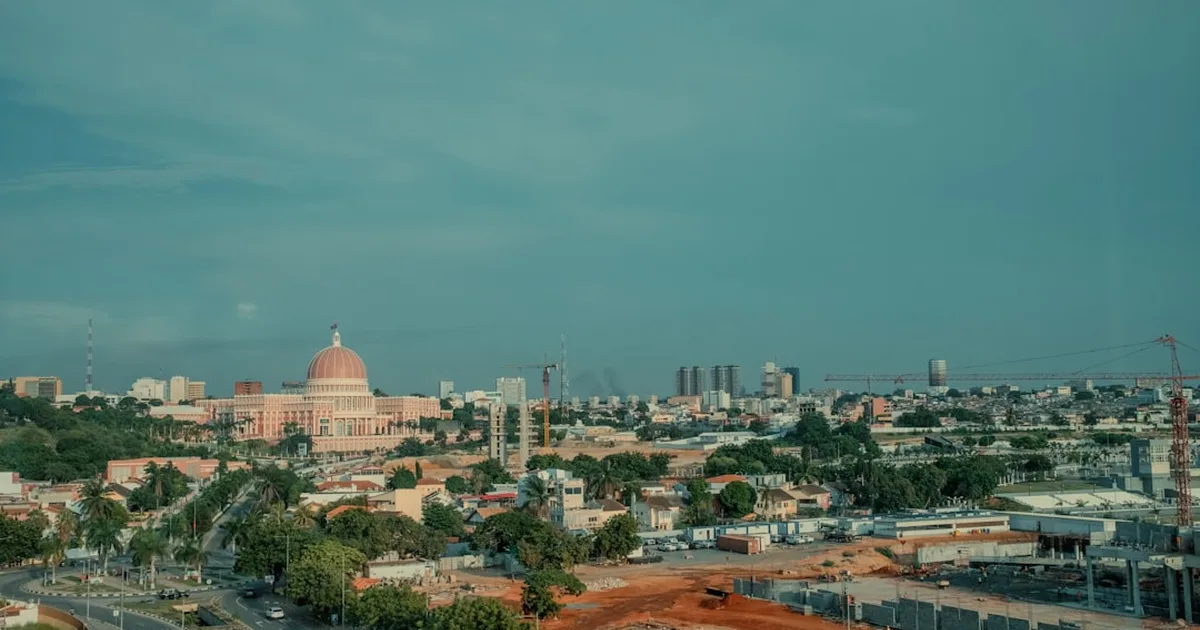
The choice of Angola is not accidental. This nation, with its 35 million inhabitants, is a crossroads of hopes and challenges. After decades of conflict, it struggles to find a path toward authentic development. From his first address to authorities, civil society, and the diplomatic corps, the Pope emphasized crucial themes concerning not only Angola but all of Africa. His tone was clear, direct, yet always permeated by a Christian hope rooted in the Gospel.
The Denunciation: When Riches Become a Curse
With clear and passionate words, Leo XIV denounced an extractivist logic that sees Africa as a land from which "to take something." He spoke of "overbearing hands" reaching for the continent's immense material riches: oil, gas, diamonds, and precious minerals. These resources, instead of being a blessing for peoples' development, often risk becoming a "curse."
The Pontiff recalled the human cost of this exploitation: "How much suffering, how many deaths, how many social and environmental catastrophes does this logic bring with it." He evoked images of mines where men, women, and children work in inhuman conditions, of ecosystems devastated by deforestation and pollution, and of conflicts financed by the trade of precious resources. In this view, the very life of people and communities is reduced to "commodities for exchange," stripped of its intrinsic sacredness.
"For what shall it profit a man, if he shall gain the whole world, and lose his own soul?" (Mark 8:36 KJV)
This word of Jesus resonates powerfully in the face of a system that puts profit before people. The logic of the Gospel calls us to evaluate every action and every economic structure in light of the integral good of humanity and the creation God has entrusted to us.
A Call to Fraternity and Justice
Pope Leo XIV's denunciation is not an end in itself. It is the foundation for a constructive call to conversion of hearts and structures. His central warning was: "We must break this chain of interests." But how? The Pontiff points to the path of fraternity and justice, values deeply rooted in Christian faith.
First, we must recognize and respect the inviolable dignity of every inhabitant of the African continent. Africa is not a reservoir of resources to be plundered, but a family of peoples with a rich history, culture, and faith. Second, it is necessary to promote development models that are truly sustainable, that do not leave the poor behind, and that safeguard the gift of creation. Indiscriminate exploitation violates that "harmony" God placed in creation and in relationships between people.
The Pope also emphasized the role of the international community and African nations themselves in building more equitable economic relations. It is about moving from a logic of predation to a logic of partnership, where well-being is shared and resources are managed for the common good. Christian faith, in dialogue with reason, offers solid principles for building a more just society.





Comments