
During the general audience on April 29, 2026, Pope Leo XIV shared the fruits of his recent apostolic journey to Africa, which took him to Algeria, Cameroon, Angola, and Equatorial Guinea. This journey, which he presented as an itinerary of faith, peace, and hope, was marked by interfaith encounters, calls for social justice, and the discovery of the vitality of African churches. But what moved the Holy Father most was the fervor of the faithful, especially that of the detainees at Bata prison in Equatorial Guinea. Their poignant prayer, he said, symbolizes the living presence of the Kingdom of God in the midst of the most trying realities.
Upon his arrival in Algeria, the pope framed his journey with a twofold fidelity: on the one hand, to Christian roots, through the figure of Saint Augustine of Hippo, and on the other, to dialogue with the contemporary world, especially Islam. He emphasized that “it is possible to live together as brothers and sisters,” a precious reminder in a world often fragmented by divisions.
“Blessed are the peacemakers, for they will be called children of God.” (Matthew 5:9, NRSV)
In Cameroon: A Call for Reconciliation
In sub-Saharan Africa, the pope's words took on particular intensity. Facing the tensions in Cameroon, he issued a clear call to “work together for reconciliation and peace.” But Leo XIV did not stop at pious words: he implicitly denounced structural imbalances, mentioning “endemic corruption” and the need for “equitable distribution of wealth.” A lucid word, rooted in the Church's social doctrine, reminding us that Christian faith cannot ignore earthly realities.
The pope insisted on the Church's role as a leaven of justice and peace. He quoted the prophet Amos: “But let justice roll down like waters, and righteousness like an ever-flowing stream.” (Amos 5:24, NRSV). This biblical reference resonated powerfully in a context where glaring inequalities call for personal and collective conversion.
Angola: A Church Purified by Trial
In Angola, Leo XIV contemplated a Church purified by trial. “God has guided and purified the Church,” he affirmed, recalling that history, even marked by violence and suffering, can become a place of grace. The pope insisted on a Church “free for a free people,” a dense phrase that articulates faith and human freedom. His gaze became concrete: he saw “faces of the elderly marked by weariness […] but radiant with the joy of the Gospel.”
This joy, which transcends trials, is a powerful testimony to Christ's resurrection. As Saint Paul writes: “We are afflicted in every way, but not crushed; perplexed, but not driven to despair.” (2 Corinthians 4:8, NRSV).
The Prayer of Bata's Prisoners: A Prophetic Sign
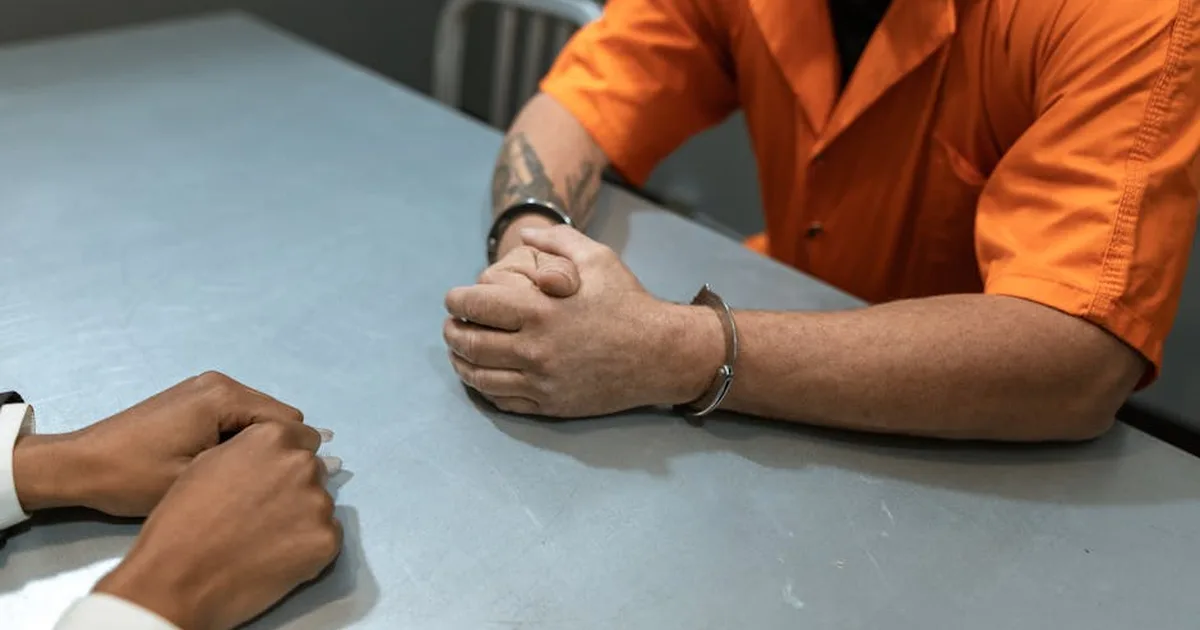
The most moving moment of the journey was undoubtedly the visit to Bata prison in Equatorial Guinea. The pope was deeply struck by the faith of the detainees, who raised a collective prayer of rare intensity. “Their prayer was like a cry to heaven, a cry of hope that cannot leave anyone indifferent,” he confided. For Leo XIV, this prayer is a sign that the Kingdom of God is already present, even in the darkest places.
He recalled that Jesus himself was imprisoned and crucified, and that he identifies with those in chains: “I was in prison and you visited me.” (Matthew 25:36, NRSV). This identification invites every Christian to see in the face of the prisoner





Comments