
In a historic moment for the Church, Pope Leo XIV continues his journey through Africa carrying a message of hope and Christian commitment. During his visit to Equatorial Guinea, the Pontiff celebrated a special Mass at the Basilica of the Immaculate Conception in Mongomo, where he shared words that resonated deeply in the hearts of the gathered faithful. This encounter was not simply a liturgical act, but a vibrant call to live the Gospel authentically and without fear.
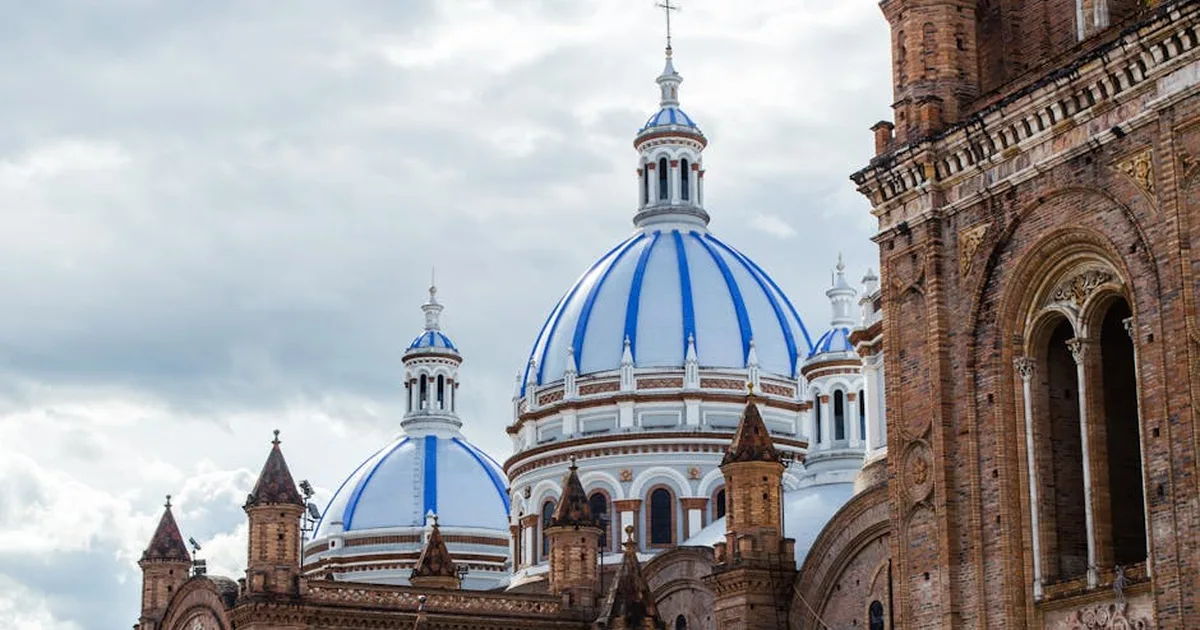
The Pope's presence in Central Africa represents a significant moment for the continental Christian community, which grows with vitality and faith. In his homily, Leo XIV emphasized the importance of being active witnesses of Christ's love amid daily realities. His message transcended the temple walls to become a personal invitation to every believer.
The Call to Proclaim Without Fear
"Do not be afraid to proclaim and bear witness to the Gospel" were central words in the Holy Father's message. This exhortation reminds us of Jesus' words to his disciples: "But you will receive power when the Holy Spirit comes on you; and you will be my witnesses... to the ends of the earth" (Acts 1:8, NIV). Christian witness is not an option, but a natural consequence of our encounter with Christ.
In a world where it sometimes seems more comfortable to remain silent about our faith, the Pope invites us to overcome fear. This isn't about imposing beliefs, but about naturally sharing the joy of the Gospel that transforms lives. As the apostle Paul wrote: "For I am not ashamed of the gospel, because it is the power of God that brings salvation to everyone who believes" (Romans 1:16, NIV).
The witness that Leo XIV speaks of begins in daily life: in how we treat our neighbors, in our integrity at work, in our service to those most in need. Every act of love, every word of hope, every gesture of forgiveness becomes a silent but powerful announcement of God's Kingdom.
Builders of a Hopeful Future
"Be builders of a future of hope, peace, and reconciliation," the Pope asked the people of Equatorial Guinea. This vision goes beyond the spiritual to embrace social transformation. Christian faith doesn't distance us from the world, but commits us to its renewal through Gospel values.
The integral development mentioned by the Pontiff includes spiritual, social, economic, and cultural dimensions. It's about building societies where every person can develop their potential with dignity. Scripture reminds us: "'For I know the plans I have for you,' declares the Lord, 'plans to prosper you and not to harm you, plans to give you hope and a future'" (Jeremiah 29:11, NIV).
In the African context, and specifically in Equatorial Guinea, this call takes on particular nuances. The Pope acknowledged the country's natural riches, but emphasized that the true blessing lies in how those resources serve the common good. Distributive justice, environmental care, and social equity are concrete expressions of our faith in action.
Service to Neighbor and Social Commitment
During his homily, Leo XIV placed special emphasis on responsibility toward the most vulnerable. He specifically mentioned the poor, families in difficulty, and prisoners, showing God's preference for those who suffer. This approach reflects the heart of the Gospel message: "For I was hungry and you gave me something to eat, I was thirsty and you gave me something to drink, I was a stranger and you invited me in" (Matthew 25:35, NIV).
Charitable service is not a marginal activity in Christian life, but its most authentic expression. Works of mercy—both corporal and spiritual—are the thermometer of our faith's vitality. When we serve our brothers and sisters, especially those most forgotten by society, we encounter Christ himself. The Pope's words echo the teaching of Jesus: "Truly I tell you, whatever you did for one of the least of these brothers and sisters of mine, you did for me" (Matthew 25:40, NIV).
This commitment to social justice and care for the vulnerable is not optional for Christians, but essential to our identity as followers of Christ. In Equatorial Guinea, as throughout Africa, the Church has a crucial role in promoting human dignity and building communities where everyone can flourish according to God's plan.





Comments