
Pontius Pilate is one of the most familiar names in the New Testament—and one of the most controversial. To many, he is the Roman governor who washed his hands and handed Jesus over to be crucified. To others, his very existence has been questioned. Yet modern archaeology has shed new light on this figure, not only confirming his historical reality but also revealing fascinating details about his rule in Judea.
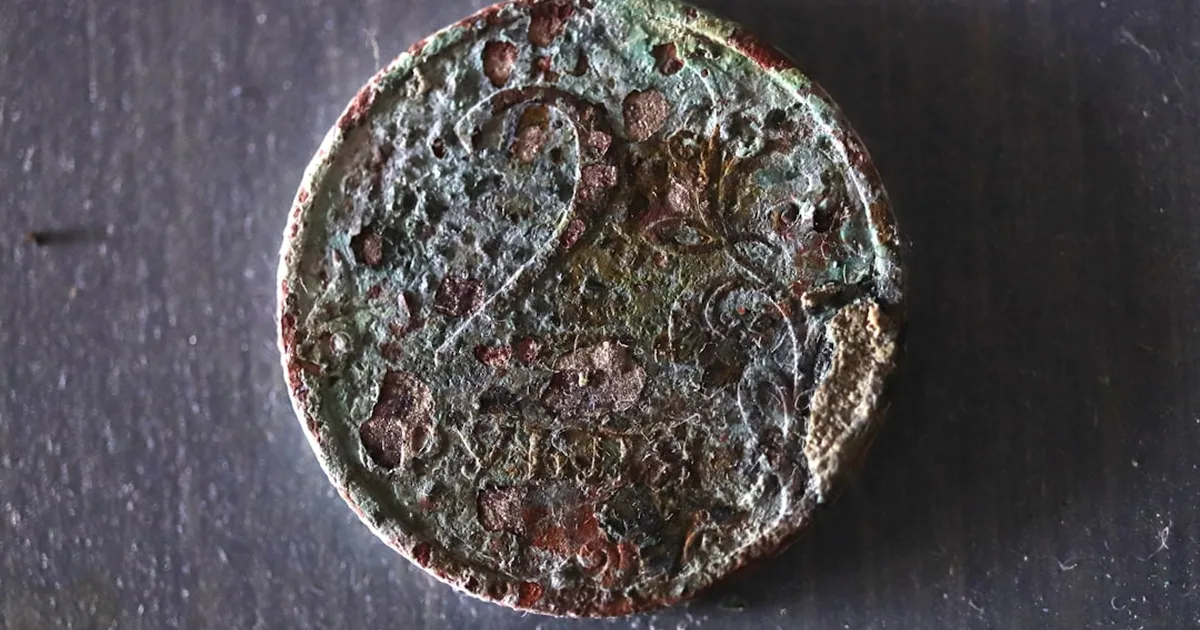
In recent years, discoveries in Jerusalem have uncovered tangible evidence from Pilate's time. Coins minted during his tenure, stone inscriptions, and a monumental street built under his supervision connect us directly to the first-century world. These findings not only strengthen the historical reliability of the Gospels but also invite us to reflect on the context in which Jesus lived and died.
The Street That Led to the Temple
One of the most striking discoveries was a street nearly half a mile long in Jerusalem's Old City. This roadway, built with enormous limestone slabs, connected the Pool of Siloam to the Temple Mount. Archaeologists estimate that it required about ten thousand tons of stone—an impressive engineering feat for its time.
This street was not just a pilgrimage route; it was also a testament to Pontius Pilate's power and ambition. Scholars believe its construction likely took place during Pilate's governorship, as he sought to modernize Jerusalem's infrastructure and win favor with Jewish authorities. Yet his legacy is complex, for he is also remembered for his brutality and his role in condemning Jesus.
“When Pilate saw that he was getting nowhere, but that instead an uproar was starting, he took water and washed his hands in front of the crowd. ‘I am innocent of this man’s blood,’ he said. ‘It is your responsibility!’” (Matthew 27:24, NIV)
Coins That Speak
The coins minted by Pontius Pilate are another tangible link to his rule. These pieces, found in excavations around Jerusalem, bear Roman symbols that often offended the Jewish population. For example, some coins show a simpulum (a ladle used in pagan rituals) and a lituus (an augural staff)—images that Jews considered idolatrous.
These findings confirm what the Gospels and historian Flavius Josephus already suggested: Pilate was a ruler insensitive to his subjects' religious sensibilities. His lack of tact sparked multiple conflicts, including a massive protest when he tried to introduce standards bearing the emperor's image into Jerusalem. Eventually, Rome removed him from office in 36 AD after a massacre of Samaritans.
The Historical Reliability of the Gospels
For Christians, these archaeological discoveries are more than just historical data; they are a confirmation that the biblical accounts are rooted in reality. The existence of Pontius Pilate, his office, and his actions are supported by evidence outside the Bible. This doesn't mean faith depends on archaeology, but it does show that God's Word unfolds in a verifiable historical context.
As the apostle Peter wrote: “For we did not follow cleverly devised stories when we told you about the coming of our Lord Jesus Christ in power, but we were eyewitnesses of his majesty” (2 Peter 1:16, NIV). Archaeology helps us see that the Gospels are not myths but testimonies of real events.
Lessons for Today
The figure of Pontius Pilate confronts us with difficult questions. What would you do if you were in his place? Would you yield to the pressure of the crowd or stand up for what is right? Pilate knew Jesus was innocent, but out of fear of losing his position, he condemned him. His story is a warning about the dangers of cowardice and compromise. It challenges us to examine our own choices when faced with moral dilemmas. In a world that often pressures us to conform, Pilate's example reminds us that true courage means doing what is just, even at great personal cost. The stones of Jerusalem still speak, calling us to reflect on the eternal truths of the Gospel.





Comments