
Amid the tension felt across Eastern Europe, the Catholic Church in Poland has taken an active and hopeful stance. Rather than remaining in worry, church leaders have decided to work side-by-side with civil authorities to prepare parish communities for any eventuality. This collaboration, which many see as a beacon in the fog, aims to transform fear into organized action and uncertainty into concrete plans for aid.
Archbishop Tadeusz Wojda, president of the Polish Episcopal Conference, has been a clear voice in this process. In recent statements, he acknowledged the understandable fear present in the population but emphasized the importance of calm preparation. "We are not standing idly by," he affirmed, highlighting the proactive spirit guiding these efforts. This attitude reflects a fundamental Christian principle: faith does not cancel out prudence but inspires it.
This initiative was born during the 404th Plenary Assembly of the Episcopate, where the need for a coordinated ecclesial response was discerned. Shortly after, in March, meetings were held between bishops and high-ranking government officials, including the Deputy Prime Minister and Minister of Defense, to chart a common roadmap. It is a tangible testimony of how the Church can be salt and light in society, engaging in the common good from its deepest identity.
The Pillars of the Plan: Shelter, Resources, and Support
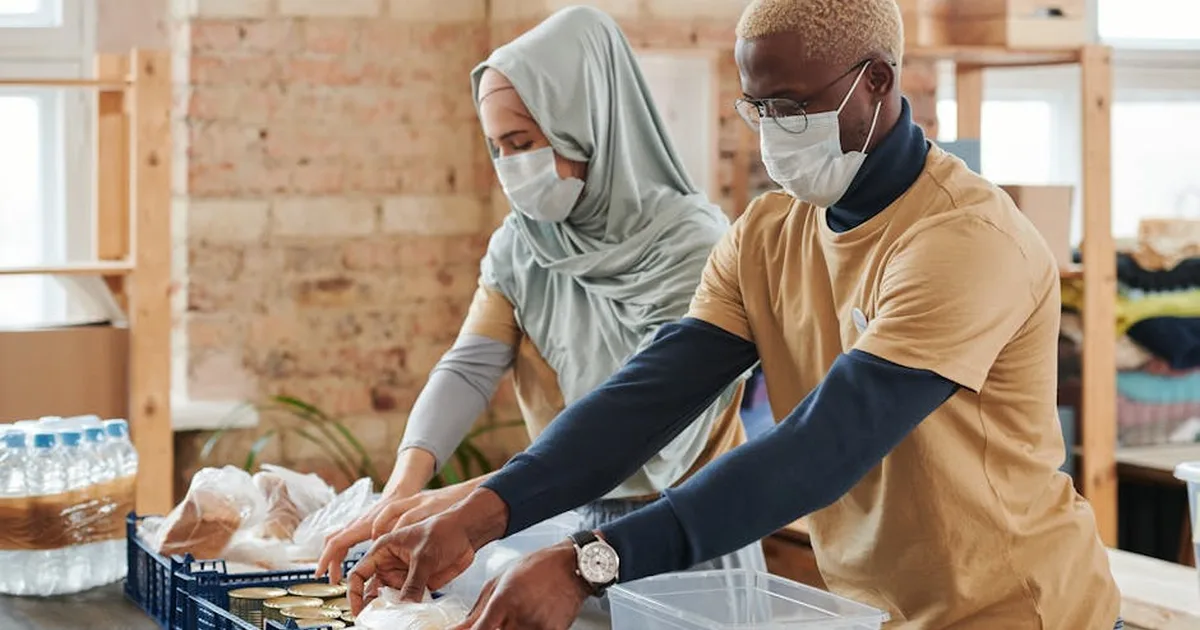
The heart of the preparation is the parishes, which are being equipped to become centers of community resilience. A special task force within the Episcopal Conference, involving Caritas Poland, is designing practical responses for emergency situations together with the Ministries of Defense and Interior. The goal is clear: that no person feels abandoned.
The plans focus on three essential areas. The first is to provide safe shelter, ensuring that church buildings and parish halls can accommodate those in need. The second is to guarantee access to basic resources such as drinking water, electricity generators, medical kits, and hygiene items. The third, perhaps the most crucial, is spiritual and psychological support, recognizing that human beings need bread for the body and comfort for the soul.
In this context, the words of Jesus in the Gospel of Matthew resonate powerfully:
"For I was hungry and you gave me something to eat, I was thirsty and you gave me something to drink, I was a stranger and you invited me in" (Matthew 25:35, NIV).Poland's preparation is a living attempt to embody this mandate, anticipating suffering to alleviate it.
The Logistics of Mercy
Behind the announcements lies meticulous work. Parish storage spaces are being identified, volunteers are being trained in first aid and logistics, and communication protocols are being established. The idea is that, should a difficult moment arrive, the church network will already know how to act swiftly and effectively, without duplicating efforts with the State.
This Church-State collaboration is a remarkable model. While authorities focus on national security and defense, the Church contributes its unique capillarity: it reaches every town, knows the families, and has the trust of the people. Together, they weave a stronger safety net.
Faith, Hope, and Action in Times of Anxiety
How do we live as Christians in a climate of geopolitical uncertainty? The Polish experience offers valuable clues. The first is not to allow fear to paralyze. The second is that Christian hope is not a passive feeling but a virtue that translates into works. As James wrote:
"What good is it, my brothers and sisters, if someone claims to have faith but has no deeds? Can such faith save them?" (James 2:14, NIV). The Polish initiative is a concrete answer to this apostolic question.In a world where news often highlights division, this story from Poland reminds us that faith, when put into practice, builds bridges and prepares the ground for peace, even before it is fully visible on the horizon.





Comments