
Amid Peru's electoral process that will define the country's future, the voice of spiritual leaders rises with a message that transcends political contests. Recently, a bishop shared a profound reflection on the qualities that should characterize anyone aspiring to govern the nation. His call doesn't focus on economic promises or partisan strategies, but on virtues that resonate with the heart of the Gospel.
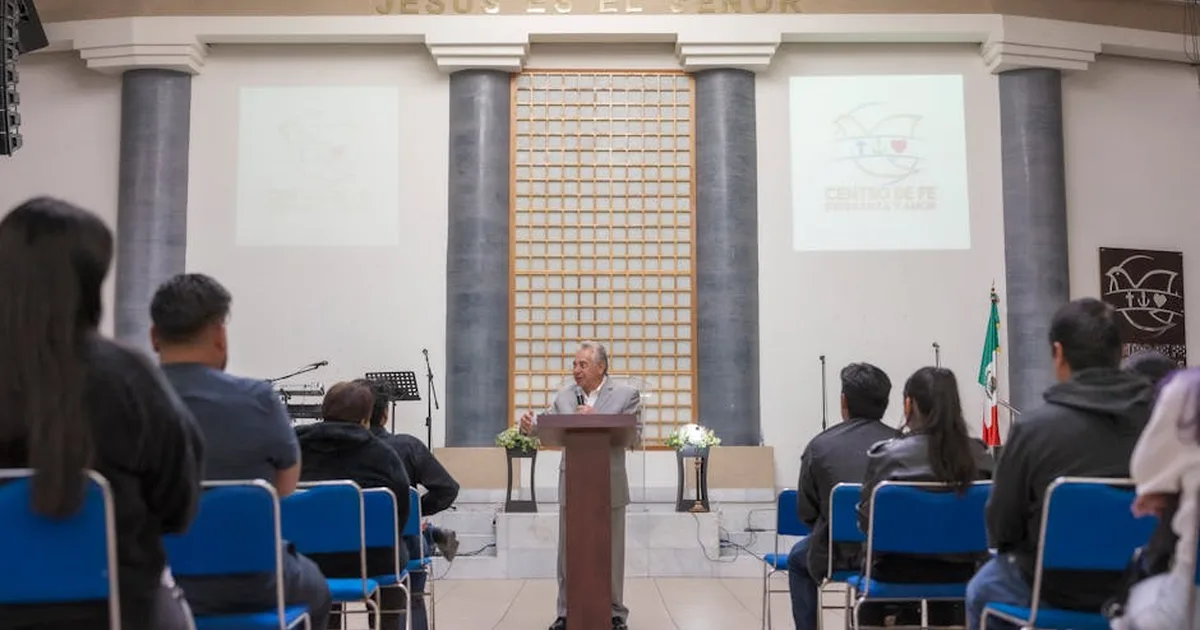
"We hope that whoever is elected will be someone willing to suffer for the country and not make the country suffer," expressed the prelate, emphasizing selfless service. This perspective invites citizens to evaluate candidates not only by their programs, but by their willingness to sacrifice for the common good.
Authority as Service
In a world where power is often associated with privilege and personal benefit, the Christian message offers a radically different vision. Jesus taught clearly about the nature of leadership when he told his disciples:
"Whoever wants to be first must be last of all and servant of all" (Mark 9:35, NIV).
This teaching revolutionizes our understanding of authority. The true leader doesn't seek to be served, but to serve. They don't accumulate benefits for themselves, but give themselves for the good of others. In the political context, this means that a ruler should see their position as an opportunity to contribute to the integral development of society, especially the most vulnerable.
The apostle Paul also guides us when he writes:
"Do nothing out of selfish ambition or vain conceit. Rather, in humility value others above yourselves" (Philippians 2:3, NIV).
This attitude of humility and consideration toward others is fundamental for anyone exercising authority, whether in family, church, or government.
Redemptive Suffering
The mention of "suffering for the country" might be shocking in a culture that constantly seeks comfort and convenience. However, from a Christian perspective, suffering assumed out of love has redemptive value. It's not about seeking pain for its own sake, but being willing to bear the difficulties and challenges that come with working for others' good.
Jesus is our supreme model in this. He, being God, took the form of a servant and gave himself completely for humanity. His sacrifice on the cross shows us that true love involves giving of oneself, and that authentic service entails renunciation.
In elections, we citizens have the responsibility to discern which candidates show this willingness for sacrificial service. Beyond political ideologies, we must ask ourselves: Who is truly committed to the people's good? Who is willing to put the nation's interests above personal or partisan interests?
Conscientious Civic Participation
Peru's electoral process has presented some logistical challenges, such as delays in delivering electoral materials in certain areas. These situations, though problematic, shouldn't discourage us from our civic duty. As Christians, we're called to be salt and light in society, and this includes our responsible participation in democratic processes.
The Bible teaches us to pray for our authorities:
"I urge, then, first of all, that petitions, prayers, intercession and thanksgiving be made for all people—for kings and all those in authority, that we may live peaceful and quiet lives in all godliness and holiness" (1 Timothy 2:1-2, NIV).
Our responsibility includes:
- Informing ourselves adequately about candidates' proposals
- Evaluating not only their words but also their past actions
- Considering their moral integrity and commitment to Christian values
- Participating actively in the electoral process with discernment
- Praying for the nation and for those aspiring to govern it
Let's remember that our earthly citizenship is always in dialogue with our heavenly citizenship. As followers of Christ, we bring a unique perspective to the public sphere: a vision of power as service, leadership as sacrifice, and politics as an opportunity to love our neighbor.
May in these decisive moments for Peru, Christians be bearers of hope and agents of discernment, always remembering that our true hope is in the Lord, who rules over all nations.





Comments