
In these days, our brother country Peru is experiencing a historic moment in its democratic life. The presidential elections have set the course for a runoff, a process unfolding amid logistical challenges and deep political fragmentation. As a Christian community, we view these events through eyes of faith, remembering that our primary citizenship is in heaven, yet we also have earthly responsibilities.
The election day on Sunday, April 12 presented unusual circumstances when electoral authorities extended voting to the following day due to difficulties in setting up polling stations. This situation affected thousands of citizens, mainly in Lima and abroad, who had to wait to exercise their right to vote.
A Complex Political Landscape
The Peruvian electoral scene is characterized by remarkable diversity of candidates, reflecting the multiple visions coexisting in society. Keiko Fujimori emerges as one of the figures with the strongest support according to initial polls, but it remains to be determined who will join her in the runoff scheduled for June 7.
This process will not only choose the next president but will also completely renew Congress, which will resume its bicameral structure after more than three decades. Deputies, senators, and representatives to the Andean Parliament will be elected, thus shaping the legislative landscape for the coming years.
A Biblical Perspective on Authority and Civic Participation
God's Word offers us valuable principles for times like these. The apostle Paul reminds us in Romans 13:1:
"Let everyone be subject to the governing authorities, for there is no authority except that which God has established. The authorities that exist have been established by God." (NIV)This verse does not mean automatic endorsement of any government, but rather recognition of divine order in the structuring of society.
At the same time, Scripture calls us to be salt and light in the world (Matthew 5:13-16). As Christians, we have the responsibility to participate constructively in public life, bringing evangelical values such as justice, truth, and love for neighbor.
Praying for Rulers
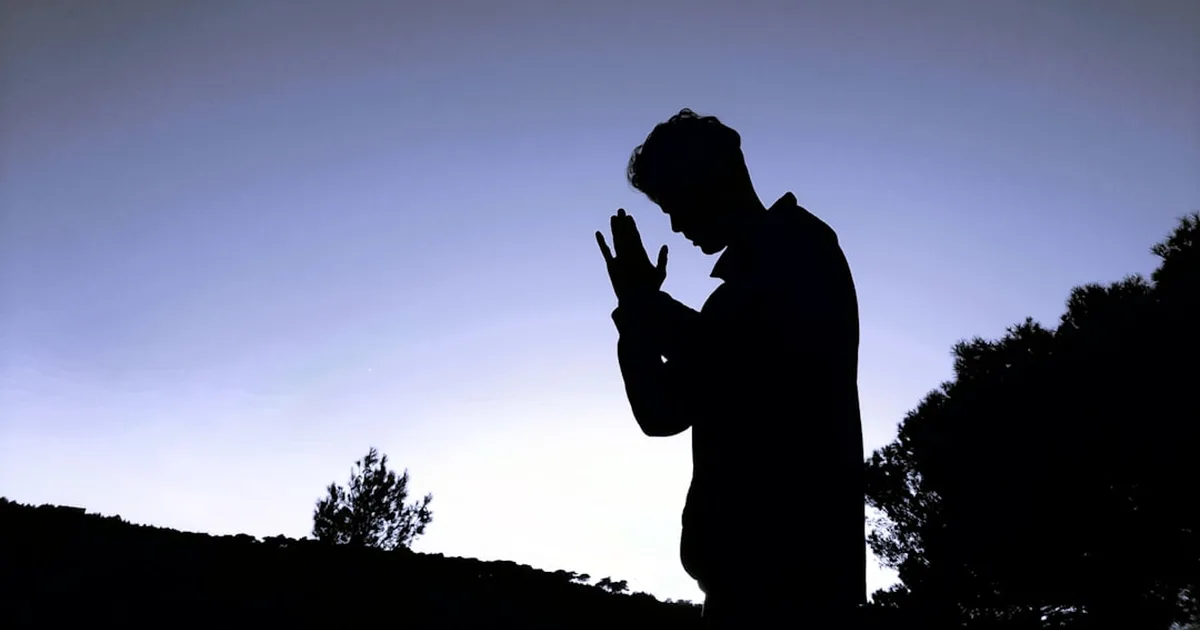
The apostle Paul urges us in 1 Timothy 2:1-2:
"I urge, then, first of all, that petitions, prayers, intercession and thanksgiving be made for all people— for kings and all those in authority, that we may live peaceful and quiet lives in all godliness and holiness." (NIV)This exhortation takes on special relevance during election times, when the leadership that will guide the nation is being defined.
Our prayer for Peru should include:
- Wisdom for voters as they make their decision
- Integrity for candidates and their teams
- Transparency in the electoral process
- National unity beyond political differences
- Leaders who seek the common good
Reflecting from Ecclesial Experience
In our Christian tradition, we have seen how the Church can be a space for encounter and dialogue in polarized societies. The recent change in Catholic Church leadership reminds us of the importance of orderly transitions. Just as the worldwide Christian community welcomed Pope Leo XIV with hope following the passing of Pope Francis in April 2025, societies need processes of change that generate trust and stability.
Churches in Peru have a unique opportunity at this historic moment: to be spaces where mutual respect is practiced, where different perspectives are heard, and where it is remembered that our identity in Christ transcends political affiliations.





Comments