
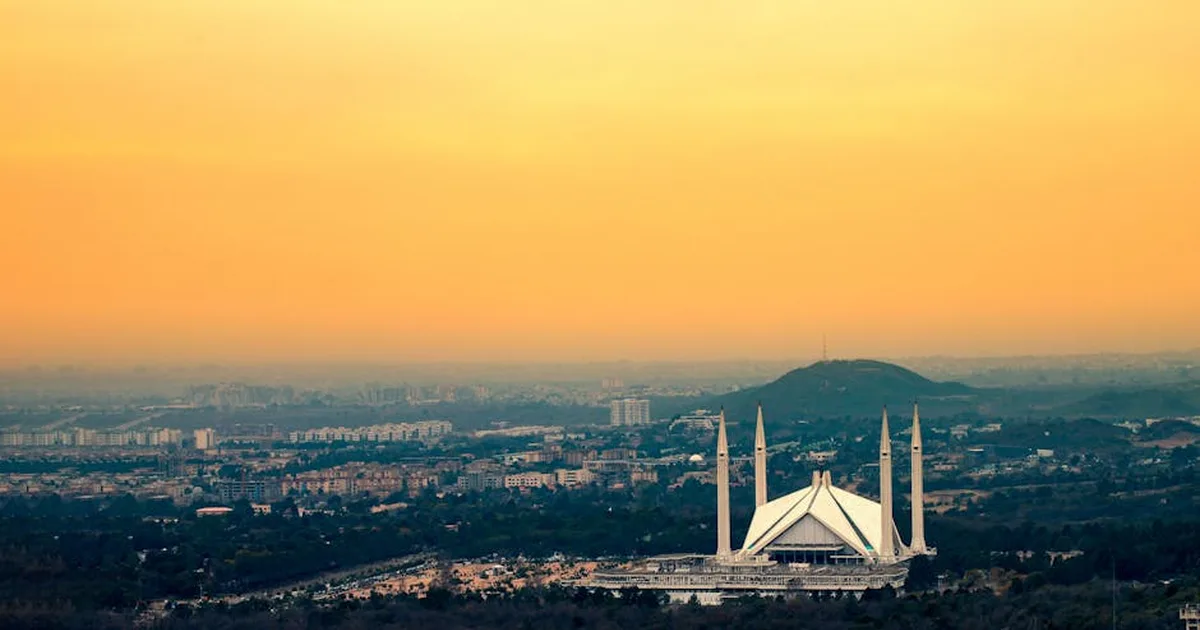
In recent weeks, the city of Islamabad has become the stage for important diplomatic talks involving the United States, Iran, and other nations. As negotiations proceed with delicacy, the global Christian community watches these developments attentively, aware that peace among nations represents a fundamental value of the Gospel message.
The Current Geopolitical Context
The ongoing dialogues touch on complex issues ranging from global energy security to nuclear programs, from freedom of navigation in maritime straits to regional stability. In this scenario, various international actors seek to find a balance between national interests and the need for cooperation.
As Christians, we remember the words of the Apostle Paul in his Letter to the Romans:
"If it is possible, as far as it depends on you, live at peace with everyone" (Romans 12:18 NIV).This invitation to peaceful coexistence extends to relationships between peoples and nations as well.
The Christian Perspective on International Peace
The Christian tradition has always considered peace as both God's gift and human responsibility. Pope Francis, who passed away in April 2025, frequently reminded us that peace is built through dialogue and encounter. Now, under the pontificate of Pope León XIV, this attention to international reconciliation continues to be a priority.
In the Gospel of Matthew we find the Beatitudes, where Jesus proclaims:
"Blessed are the peacemakers, for they will be called children of God" (Matthew 5:9 NIV).This beatitude encourages us to support every effort that promotes reconciliation and justice among peoples.
The Concrete Challenges of Dialogue
The negotiations face several delicate issues:
- The security of maritime routes and energy trade
- Concerns regarding nuclear programs
- The search for mutual trust among nations with complex histories
- The balance between national sovereignty and international cooperation
In this context, the Christian community is called to pray for negotiators and support peace efforts. As the Apostle Paul writes to the Philippians:
"Do not be anxious about anything, but in every situation, by prayer and petition, with thanksgiving, present your requests to God" (Philippians 4:6 NIV).
The Role of Prayer in Building Peace
Prayer is not an escape from reality, but a concrete way to participate in world events. Praying for peace means recognizing that human solutions, while necessary, require divine grace to be lasting and effective.
The Christian ecumenical tradition, which EncuentraIglesias.com faithfully represents, teaches us that prayer for peace unites believers from different denominations. In moments like these, we can find unity in the common invocation: "Lord, make me an instrument of your peace."
Reflection and Practical Application
As we follow diplomatic developments in Islamabad and around the world, we can commit concretely to peace in various ways:
- Personal and Community Prayer: dedicate specific moments to pray for peace in the world, especially in regions of tension.
- Peace Education: inform ourselves about international issues with a critical and constructive spirit, avoiding prejudices and oversimplifications.
- Ecumenical and Interreligious Dialogue: build bridges of understanding with believers from other traditions, recognizing that peace is a shared value.
- Daily Witness: live reconciliation in our personal, family, and community relationships, being peacemakers in our own contexts.
Peace begins in the heart of each believer and extends to the world around us. In these times of international dialogues, let us remember that every prayer, every gesture of reconciliation, and every effort to understand others contributes to the great project of peace that God desires for humanity.





Comments