
In Pakistan, the Christian community, though a minority, plays an active role in society. Recently, a Christian lawmaker in Punjab province introduced a bill to reform the legal framework for Christian marriage. Known as the Christian Marriage Act Bill 2026, the legislation proposes significant changes to better protect young people and align with international child rights standards.
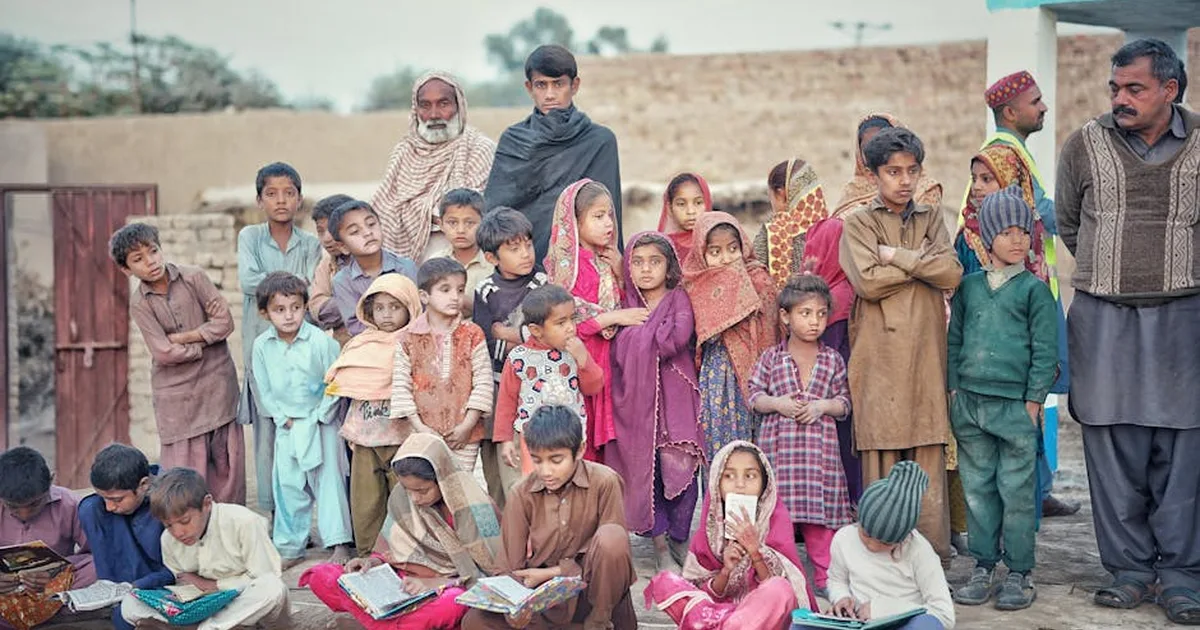
Early marriage is a troubling reality in parts of Pakistan, and Christian communities are not exempt. The current law, inherited from the British colonial era, sets the minimum age at 16 for boys and just 13 for girls. These thresholds are deemed too low by many human rights advocates, who highlight the risks to children's health, education, and well-being.
The new bill proposes raising the age to 18 for both sexes, a step that fits within a broader national trend. While each Pakistani province has authority over family law, this bill could serve as a model for other regions.
Concrete Changes for Better Protection
Beyond the legal age, the bill introduces several provisions to strengthen the rights of Christian couples. A key measure is the requirement to register marriages with civil authorities. This administrative formality, often neglected today, would ensure legal recognition of unions, facilitating access to inheritance rights, legal identity, and social benefits.
The bill also clarifies the validity conditions for Christian marriage. Both spouses must now be Christian for the union to be recognized under this legal framework, ending ambiguities that could be exploited in sensitive situations, especially forced or early marriage.
Other notable reforms include removing the ban on celebrating marriages after 6 p.m., an outdated colonial rule. Additionally, the number of ministers authorized to officiate would be expanded: any pastor affiliated with a state-recognized church and with adequate theological training could perform weddings, moving beyond historically dominant traditions.
Impact on the Christian Community
This bill brings great hope to Punjab's Christian community. For many parents and religious leaders, it is a major step forward in protecting girls, who are often the first victims of early marriage. As the biblical proverb says: "Train up a child in the way he should go; even when he is old he will not depart from it" (Proverbs 22:6, ESV).
However, debates remain. Some fear that the civil registration requirement may add administrative burdens, while others question the law's effective enforcement in a context where early marriages are sometimes rooted in local customs.
Despite these challenges, the bill represents an important step toward better protecting children's rights and recognizing the dignity of every person, created in the image of God (Genesis 1:27). The Christian community in Pakistan, though often facing difficulties, thus shows its ability to work for positive change in society.
A Reflection for All of Us
As Christians, we are called to defend the most vulnerable. The fight against early marriage is a fight for justice and human dignity. Let's take a moment to reflect: how can we, in our own communities, support initiatives that protect young people and promote their well-being? Every action counts, and together we can make a difference.





Comments