
On April 28, a 48-year-old French nun was attacked near the Tomb of King David on Mount Zion in Jerusalem. The incident has once again spotlighted the growing tension Christians face in the Holy City. The attacker, a man in his 30s, was arrested thanks to the quick reporting of pilgrims at the scene. The sister, who belongs to the École Biblique et Archéologique Française, sustained minor injuries and was discharged from the hospital after treatment. Unfortunately, this is not an isolated case: according to data from various humanitarian organizations, 181 attacks against members of the Christian community in Jerusalem have been recorded in the past twelve months, including physical assaults, vandalism of places of worship, and acts of intimidation.
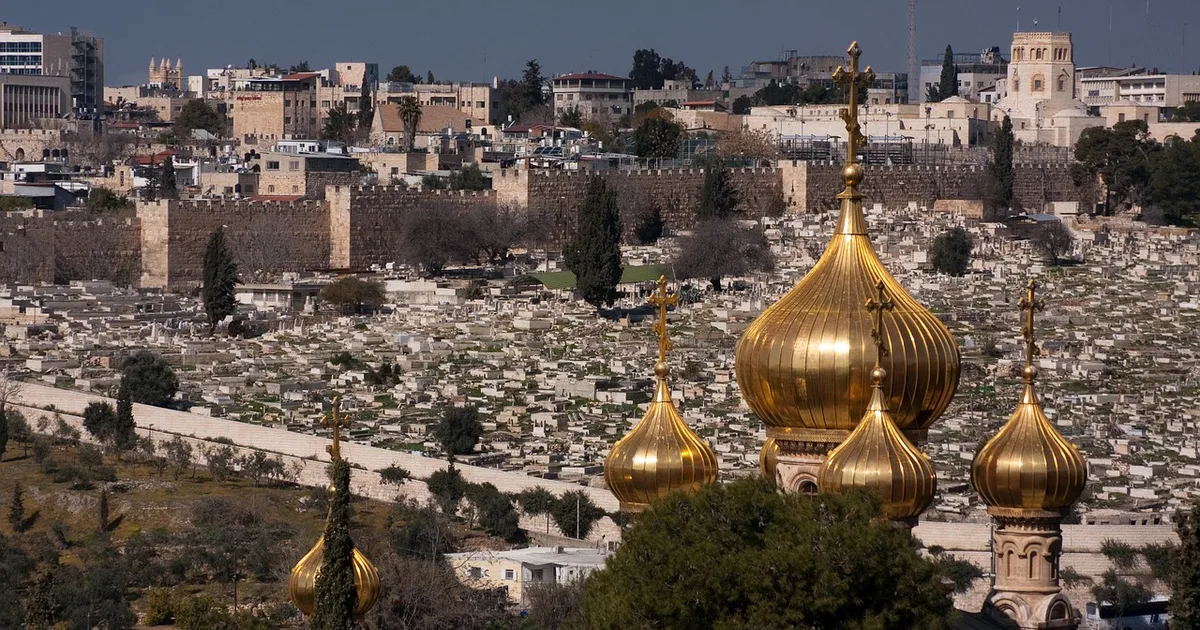
The news has caused shock and concern worldwide. The Latin Patriarch of Jerusalem, Cardinal Pierbattista Pizzaballa, strongly condemned the attack, calling it "an alarming sign of a climate of intolerance that cannot be tolerated." The new Pope, Leo XIV, also expressed his closeness to the sister and all persecuted Christians, urging Israeli authorities to ensure the safety of all believers.
Mount Zion is a symbolic site for the three monotheistic religions: it houses the Tomb of King David, the Upper Room (site of the Last Supper), and the Church of the Dormition of Mary. For Christians, it is a key pilgrimage destination. The attack therefore carries a strong symbolic impact, striking not just one person but the entire community.
The Context of Tension in Jerusalem
Jerusalem has always been a crossroads of cultures and faiths, but in recent years the situation for Christians has become increasingly difficult. According to a 2025 report by Open Doors, religious freedom in Israel is declining, with a significant rise in discrimination and violence against Christians. In Jerusalem, Christian believers often face verbal and physical attacks from Jewish extremists, and their churches are sometimes vandalized with offensive graffiti.
Israeli authorities have condemned the attack and promised to increase security at holy sites. However, many local Christian leaders believe the measures are insufficient. "We cannot live in fear every time we leave home," said Sister Maria, an Italian nun who has lived in Jerusalem for twenty years. "We ask not only for physical protection but also for a cultural change that promotes mutual respect."
The situation is worsened by the Israeli-Palestinian conflict, which fuels tensions and polarization. Palestinian Christians, in particular, often find themselves in a delicate position, caught between two fires. Yet their presence is a living testimony of faith in the Holy Land, as Psalm 122:6-7 reminds us: "Pray for the peace of Jerusalem: 'May those who love you be secure. May there be peace within your walls and security within your citadels.'"
The Response of the Church and the International Community
The Catholic Church, together with other Christian denominations, has intensified calls for the protection of Christians in the Holy Land. The World Council of Churches condemned the attack and called for a thorough investigation. The French government, through its consulate in Jerusalem, also expressed solidarity with the assaulted nun and urged additional security measures.
Pope Leo XIV, in his first message after his election, emphasized the importance of Jerusalem as a city of peace and urged political leaders to work for peaceful coexistence. "Violence will never have the last word," the Holy Father said. "As Christians, we are called to be peacemakers." The Christian community in Jerusalem, though small, remains a light of hope amid difficulties. As the apostle Paul wrote in Romans 15:13: "May the God of hope fill you with all joy and peace as you trust in him, so that you may overflow with hope by the power of the Holy Spirit."





Comments