
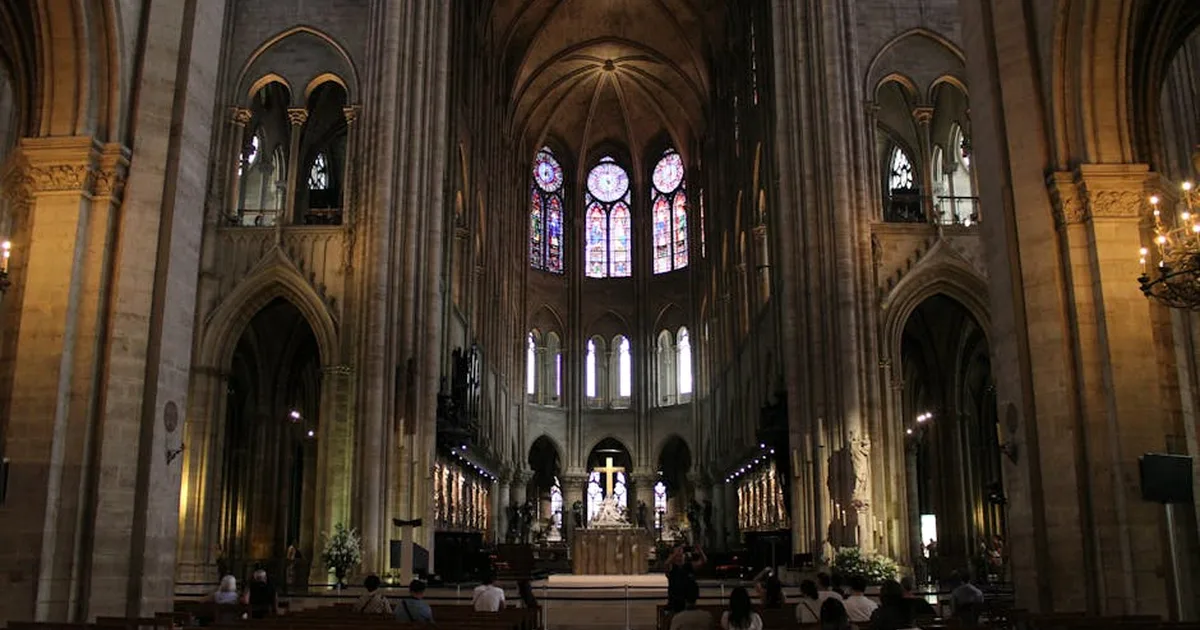
In the heart of Paris, a new breath animates the centuries-old stone of Notre-Dame. The recent posting of work permits for the stained-glass windows marks much more than an administrative step: it's the prelude to a profound transformation involving the heritage, art, and spiritual dimension of this iconic place. These permits, dated April 2026, specifically concern six chapels located south of the nave, where existing stained-glass windows will be removed, restored, and sometimes replaced. Under the direction of the public institution responsible for conservation, this project mobilizes chief architects of historical monuments and contemporary artists, thus creating a dialogue between centuries.
This crucial stage comes in a particular context for the worldwide Christian community. As the apostle Paul reminds us: "For we are co-workers in God's service; you are God's field, God's building" (1 Corinthians 3:9, NIV). These words resonate powerfully as craftspeople prepare to work on this building that, beyond its historical dimension, remains a place of prayer and gathering for believers.
Between tradition and renewal: the stained-glass challenge
The planned operations are of great technical and artistic complexity. They include not only the removal and restoration of existing stained-glass windows but also the creation of new contemporary works that will take place in some chapels. This approach naturally raises questions and debates, particularly among heritage defenders attached to Viollet-le-Duc's 19th-century work. The stained-glass windows from that era form an integral part of the cathedral's visual and historical identity.
Yet this tension between conservation and innovation isn't new in the life of the Church. From the first basilicas to Gothic cathedrals, places of worship have always evolved to respond to the spiritual needs of their time while preserving the essence of faith. The book of Psalms invites us to consider this dynamic: "Sing to the Lord a new song, for he has done marvelous things" (Psalm 98:1, NIV). The "new" doesn't erase the old but comes to complement and illuminate it with a different light.
A democratic and transparent process
The posting of the permit also opens a two-month period during which appeals can be filed with the administrative court. This timeframe, though technical, demonstrates a concern for transparency and participation in managing this common good that is Notre-Dame. It reminds us that decisions concerning places of worship, especially when they have such strong heritage dimensions, must take various sensitivities into account.
This approach aligns with a concern dear to the Christian community: seeking consensus while respecting differences. As the apostle writes to the Ephesians: "Be completely humble and gentle; be patient, bearing with one another in love. Make every effort to keep the unity of the Spirit through the bond of peace" (Ephesians 4:2-3, NIV). This unity in diversity may well be the deepest challenge posed by this stained-glass project.
Light as a spiritual symbol
Beyond technical and heritage considerations, the replacement of Notre-Dame's stained-glass windows invites us to spiritual reflection on the very nature of light in Christian tradition. Since the earliest churches, stained-glass windows have served to transform natural light into theological teaching, telling through image and color the great biblical stories and the lives of saints.
Jesus himself declares: "I am the light of the world. Whoever follows me will never walk in darkness, but will have the light of life" (John 8:12, NIV).





Comments