
In these days when images circulate rapidly through social media, we find ourselves reflecting on how we represent Jesus in our digital culture. Recently, an artificial intelligence-generated image showing a public figure with Christ-like features sparked conversations in various circles. As a Christian community, these moments invite us to ask: how do we care for the representation of our Savior in a world where images are created and shared so easily?
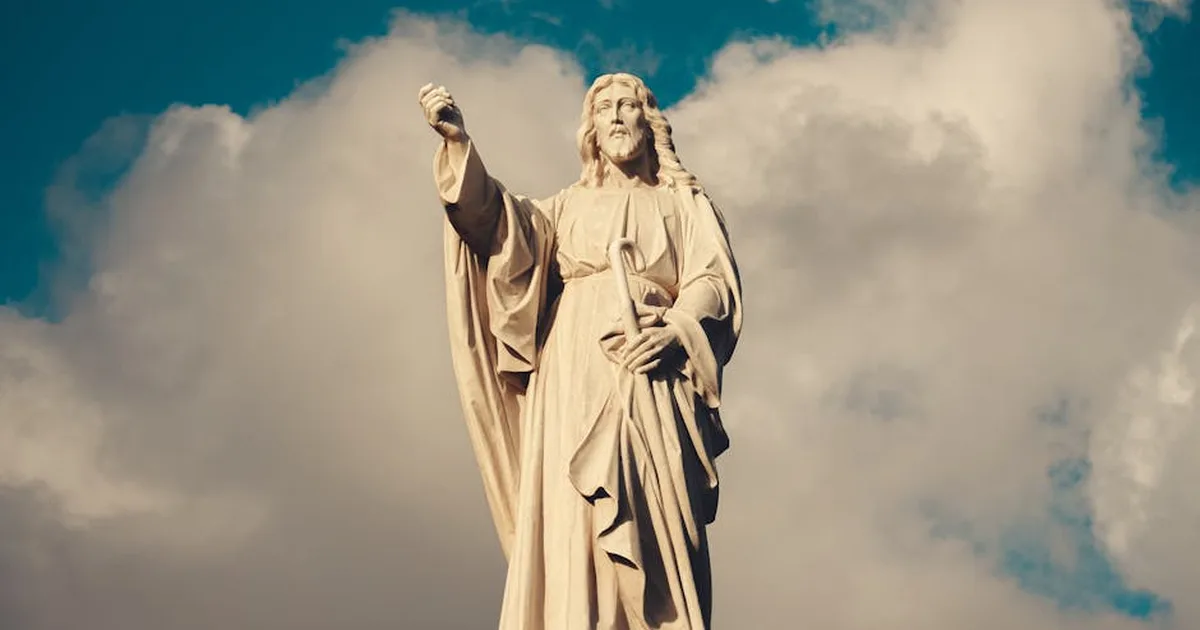
The Bible reminds us in Colossians 1:15 that Jesus "is the image of the invisible God, the firstborn of all creation" (ESV). This fundamental truth guides us to consider that no human representation can fully capture Christ's glory. However, as visual beings, we naturally seek images that help us connect with the divine.
In our Christian tradition, representations of Jesus have varied across centuries and cultures. From Byzantine icons to Renaissance paintings, each era has sought to express its understanding of the Son of God. Today, digital technology adds new dimensions to this perpetual search.
When Images Create Confusion
When a public image generates misunderstandings about Jesus' identity, it's natural for concerns to arise among believers. As a community of faith, our deepest desire is for Christ's name to be honored and His message communicated clearly. In situations where representations might confuse people about who Jesus is, we have the responsibility to clarify with love and truth.
It's interesting to note how different Christian leaders have responded to similar situations. Some have emphasized the importance of considering the intentions behind images, while others have highlighted the need to be especially careful with representations that might trivialize Christ's person. These diverse perspectives enrich our conversation as Christ's body.
Scripture teaches us in Philippians 2:9-11 that "God has highly exalted him and bestowed on him the name that is above every name, so that at the name of Jesus every knee should bow... and every tongue confess that Jesus Christ is Lord" (ESV). This truth reminds us of Jesus' unique majesty and authority, which transcends any visual representation.
The Heart Behind Images
When considering representations of biblical figures, it's valuable to ask ourselves about heart intentions. Does the image seek to glorify God or draw attention to something or someone else? Does it build up the community of faith or create division? These questions help us discern with pastoral wisdom.
In John's Gospel, Jesus Himself tells us: "I am the way, and the truth, and the life. No one comes to the Father except through me" (John 14:6, ESV). This powerful statement centers us on what's essential: our relationship with the living Christ, rather than visual representations of Him.
Our Response as a Christian Community
As followers of Jesus in the 21st century, we have the opportunity to model how to approach these issues with grace and truth. Instead of reacting with anger or hasty judgment, we can use these moments as opportunities to teach about who Jesus really is according to Scripture.
Unity in diversity is a precious value in our faith. While some Christians find religious art helpful for their devotion, others prefer to focus completely on the written Word. Both approaches can honor God when they arise from sincere hearts seeking to know Him more deeply.
Let's remember Paul's words to the Corinthians: "For although there may be so-called gods in heaven or on earth—as indeed there are many 'gods' and many 'lords'—yet for us there is one God, the Father, from whom are all things and for whom we exist, and one Lord, Jesus Christ, through whom are all things and through whom we exist" (1 Corinthians 8:5-6, ESV). This perspective helps us maintain our focus on Christ's uniqueness while navigating a world full of images and representations.
As we continue this conversation in our digital age, may we always return to the living Jesus who meets us in Scripture, prayer, and community. May our discussions about His representation lead us to deeper worship and clearer witness to the world around us.





Comments