
As believers on our spiritual journey, we often reflect on how Christian faith manifests in various spheres of public life. The relationship between our spiritual convictions and political decisions deserves careful and prayerful consideration. As a community of faith, we are called to discern with wisdom how to live out our Christianity authentically in every aspect of our existence.
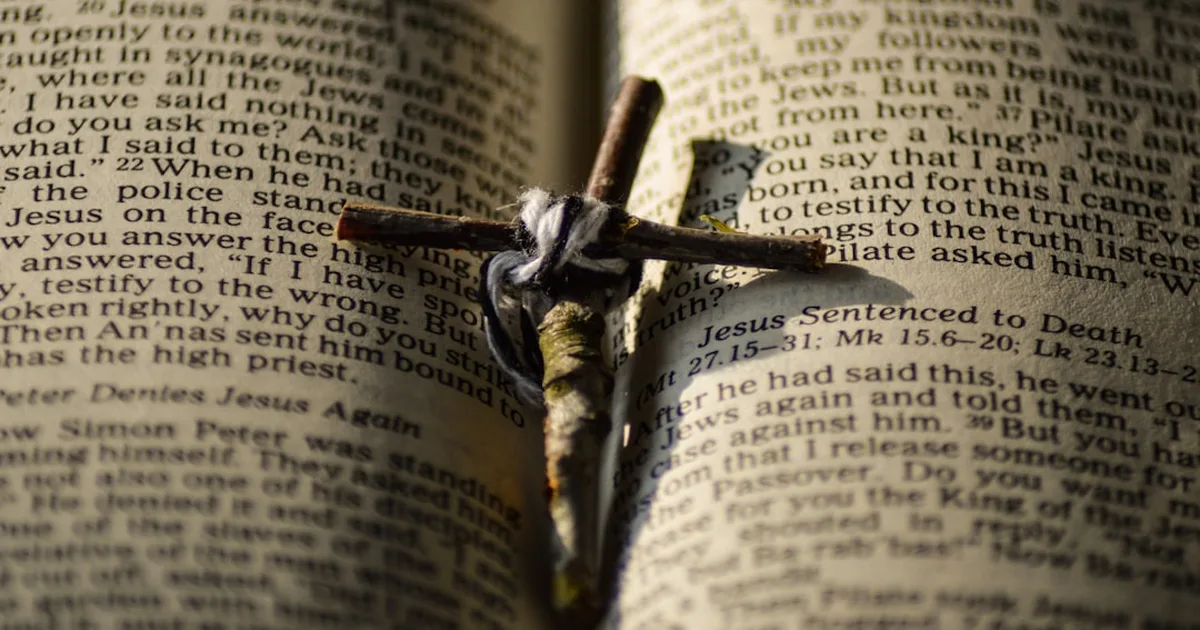
God's Word reminds us in Romans 12:2: "Do not conform to the pattern of this world, but be transformed by the renewing of your mind. Then you will be able to test and approve what God's will is—his good, pleasing and perfect will" (NIV). This verse invites us to maintain a clear identity as followers of Christ, without confusing our ultimate loyalty with any earthly ideology or agenda.
In times when public discussions can become polarized, it's especially important that as Christians we keep our eyes fixed on Jesus and the principles of the Gospel. Our faith should not be instrumentalized for purposes that stray from the central message of love, justice, and reconciliation that our Savior taught us.
Discerning Among Diverse Voices
In today's world, we constantly receive opinions and analyses from multiple perspectives. Some public voices offer interpretations about the relationship between faith and politics that can generate confusion or questions among believers. It's in these moments that we most need to turn to wisdom from above and spiritual discernment.
The apostle John warns us in 1 John 4:1: "Dear friends, do not believe every spirit, but test the spirits to see whether they are from God, because many false prophets have gone out into the world" (NIV). This exhortation remains relevant today, inviting us to critically evaluate the claims we hear, especially when they refer to matters of faith.
As a Christian community, we have the responsibility to cultivate a critical but loving spirit, allowing us to distinguish between human opinions and divine truths. Our compass should always be God's Word and the guidance of the Holy Spirit, not the political trends of the moment or secular interpretations of spiritual reality.
Christian Identity Beyond Borders
Our identity as followers of Christ transcends nationalities, cultures, and political borders. We are part of a universal body that includes believers from all nations, tribes, and languages. This heavenly perspective helps us maintain a healthy balance in our positions on international matters.
The apostle Paul reminds us in Galatians 3:28: "There is neither Jew nor Gentile, neither slave nor free, nor is there male and female, for you are all one in Christ Jesus" (NIV). This fundamental truth calls us to see all human beings as created in God's image, regardless of their ethnic origin or nationality.
When considering relationships between nations or international conflicts, our Christian perspective compels us to pray for peace, seek justice, and promote reconciliation. Our solidarity with brothers and sisters in faith around the world should be guided by Christian love and commitment to the Gospel, not by temporary political preferences.
The Call to Consistent Faith
Living a consistent faith means our beliefs are consistently reflected in our actions, words, and decisions. In the public sphere, this implies that our Christian testimony should be clear and distinctive, showing the values of God's Kingdom in the midst of a world that often operates with different logics.
Jesus taught us in Matthew 5:16: "Let your light shine before others, that they may see your good deeds and glorify your Father in heaven" (NIV). This call to visible witness challenges us to be salt and light in society, influencing our surroundings with the transformative power of the Gospel.
Our public engagement as Christians should be characterized by humility, wisdom, and love. We are called to be peacemakers, bridge-builders, and agents of reconciliation, always remembering that our primary citizenship is in heaven and that our ultimate hope is in Christ's return and the establishment of his eternal Kingdom.





Comments