
In these times we live in, the relationship between our faith and the political sphere has become a topic of deep reflection for many believers. We have recently witnessed how public figures have expressed opinions about the spiritual leadership of the Church, specifically toward Pope Leo XIV, who assumed the Petrine ministry in May 2025 following the passing of Pope Francis in April of that same year. This dialogue, sometimes tense, invites us to consider fundamental questions about where we place our ultimate loyalty as followers of Christ.
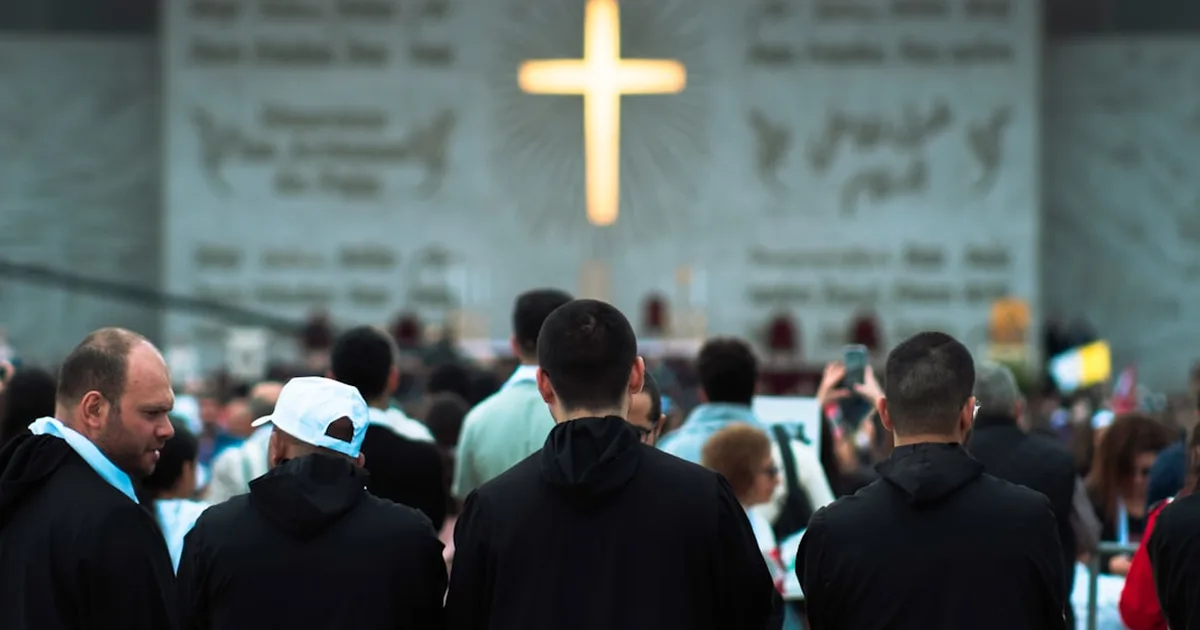
As an ecumenical Christian community, at EncuentraIglesias.com we recognize that these moments of public tension can become valuable opportunities to deepen our understanding of what it means to live our faith in a complex world. It is not about taking political sides, but about discerning how we respond as disciples when different authorities seem to appeal to our obedience.
Spiritual Authority in Times of Polarization
The history of the Church shows us that tensions between spiritual and temporal authorities are not new. From the earliest centuries of Christianity, believers have had to navigate the question of Peter and the apostles when they declared: "We must obey God rather than human beings" (Acts 5:29, NIV). This statement does not arise from a spirit of rebellion, but from a deep conviction about the primacy of our relationship with God.
In the current context, where political opinions are often expressed with great intensity in media and social networks, we may feel pressured to completely align our spiritual convictions with partisan positions. However, the message of the gospel transcends these human categories. As Paul reminds us: "Do not conform to the pattern of this world, but be transformed by the renewing of your mind" (Romans 12:2, NIV).
"So give back to Caesar what is Caesar's, and to God what is God's" (Matthew 22:21, NIV).
This well-known biblical passage offers us an important principle: to recognize that there are distinct spheres of authority in our lives. As Christians, we actively participate in civil society, fulfilling our civic responsibilities, but always keeping our conscience formed by the values of the Kingdom of God.
The Prophetic Role of the Church
When religious leaders like the Pope speak about moral and social issues, they are exercising what has traditionally been called the "prophetic ministry" of the Church. It is not about political interference, but about the duty to remind everyone—rulers and the ruled—of the fundamental principles of human dignity, justice, and compassion that arise from the gospel.
Pope Leo XIV, as the successor of Peter, continues this tradition of spiritual guidance that transcends national borders and specific political contexts. His authority does not depend on temporal approvals, but on the mandate that Jesus gave to Peter: "Take care of my sheep" (John 21:17, NIV). This pastoral mission is exercised for all of God's people, regardless of their nationality or political affiliation.
Christian Discernment Amid Contradictory Voices
How then do we discern as believers when we face seemingly contradictory messages from different authorities? The Christian tradition offers us some valuable tools:
- Prayer and Listening to the Spirit: Before taking a position, we dedicate time to seek God's guidance in silence and openness.
- Study of Scripture: We constantly return to the Word of God as our fundamental compass.
- Community Dialogue: We share our concerns with other believers in our local churches and Christian communities, recognizing that the Holy Spirit often speaks through the body of Christ.
- Examination of Conscience: We honestly ask ourselves if our positions are truly guided by gospel values or by other influences.
This process of discernment is not about finding easy answers, but about cultivating a heart that seeks God's will above all else. In a polarized world, our Christian witness becomes especially important when we demonstrate that our primary identity is found in Christ, not in political labels.
Building Bridges, Not Walls
The challenge for today's Christian is to be "in the world but not of the world" (John 17:14-16). This means we engage constructively with political and social realities while maintaining our spiritual integrity. We can respectfully disagree with policies or leaders while still praying for them, as Scripture instructs us (1 Timothy 2:1-2).
At EncuentraIglesias.com, we encourage Christians to be thoughtful participants in society—informed by faith, guided by love, and anchored in hope. The passing of Pope Francis and the leadership of Pope Leo XIV remind us that the Church's mission continues through changing circumstances, always pointing toward the eternal truths of the gospel.





Comments