
On the outskirts of Nairobi, the elevated highway snakes like a ribbon of asphalt suspended between sky and earth. On one side, it offers a breathtaking view of the city stretching to the horizon; on the other, it physically separates those who can afford the toll from those trapped in the chaos of daily traffic. This infrastructure, built by the China Road and Bridge Corporation and opened in 2022, represents one of many projects China has undertaken in Kenya in recent years.
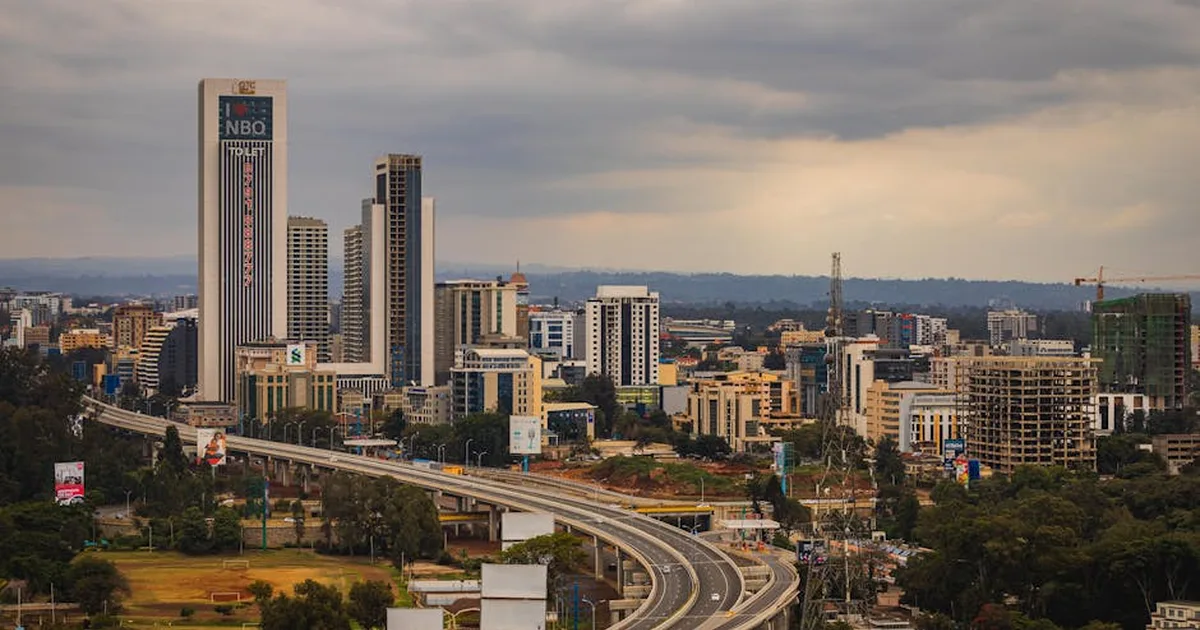
But what does it really mean for the local population? While vehicles speed along the elevated lanes, life below continues at its usual pace: street vendors, motorcycle taxis, and children playing among the concrete pillars. As King Solomon said, "Wealth is worthless in the day of wrath, but righteousness delivers from death" (Proverbs 11:4). An invitation to reflect on what truly matters for a community.
The Cost of Modernity
The Nairobi expressway cost about $600 million, mostly financed by Chinese loans. The toll, roughly $10 for a full trip, equals the daily wage of many Kenyan workers. For James, a motorcycle taxi driver interviewed near Westlands, "It's nice to look at, but I can't afford it. What we need are working sewers and less crowded schools."
This situation raises deep questions: who really benefits from these infrastructures? The Bible warns us: "Woe to you who add house to house and join field to field till no space is left" (Isaiah 5:8). Progress should never become a privilege for the few, but a benefit for all.
A Debt That Weighs on Future Generations
According to economist David Ndii, the problem is not just the toll cost, but the development model itself. "The money goes from a Chinese bank to a Chinese company using Chinese machinery and labor. There are no obligations for skills transfer or local partnerships." China is now Africa's largest creditor, with about $150 billion lent. In Kenya, Beijing holds roughly 50% of the external debt.
Psalm 127:1 reminds us: "Unless the Lord builds the house, the builders labor in vain." A warning to assess whether the foundations of these projects are solid not only from an engineering perspective, but also socially and ethically.
A Cathedral in the Desert?
The highway has been described as a "cathedral in the desert," but perhaps it's more like a monument to inequality. While wealthier Kenyans can enjoy a fast, comfortable journey, the majority of the population remains excluded. Jesus himself taught us: "From everyone who has been given much, much will be demanded" (Luke 12:48). Great works require great responsibility.
The Church in Kenya, through its prophetic voice, has repeatedly raised the issue of social justice. Cardinal John Njue, Archbishop Emeritus of Nairobi, stated: "Development must have a human face. We cannot accept projects that widen the gap between rich and poor." A call that echoes the words of the prophet Amos: "But let justice roll on like a river, righteousness like a never-failing stream!" (Amos 5:24).
Toward a More Equitable Future
The story of the Nairobi expressway challenges us as Christians and as global citizens. It pushes us to ask: what are the priorities for a nation's development? How can we ensure that the benefits of infrastructure reach everyone, especially the most vulnerable?
The answer is not simple, but God's Word offers us a compass. In Matthew 25:40, Jesus says, "Truly I tell you, whatever you did for one of the least of these brothers and sisters of mine, you did for me." Every political and economic decision must be measured by this standard. True progress is not measured by the height of its bridges, but by the dignity it grants to the least. May the Lord grant us wisdom to build a future where no one is left behind.





Comments