
The world of music and Christian faith received with sadness the news of the passing of Moya Brennan, the renowned Irish singer and harpist who for decades brought Celtic spirituality to millions of hearts. At 73 years old, after facing health challenges, she departed in peace surrounded by her family and sustained by a faith that was always the center of her life and work. Her legacy invites us to reflect on how art can be a bridge to the sacred.
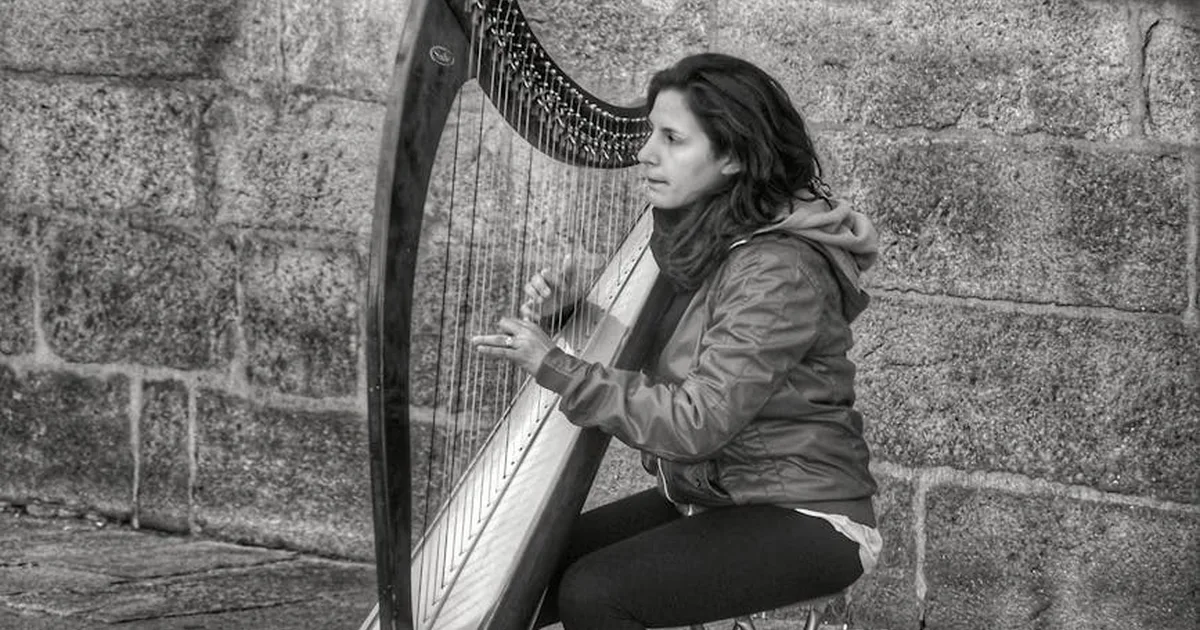
Moya Brennan was not simply an artist; she was a woman who understood her talent as a divine gift. As a founding member of the group Clannad, she helped create a unique sound that blended Celtic traditions with contemporary elements, always with a deep spiritual sensitivity. Her music reminds us that God manifests in many ways, even through artistic beauty that touches the human soul.
In a world where we often rush without stopping to listen, Moya's life challenges us to cultivate spiritual attentiveness. As she expressed in various interviews, our modern society struggles to perceive God's voice amid constant noise. Her artistic testimony shows us that creativity can be a path to the inner silence where God speaks.
Spirituality in the Celtic Tradition
The Celtic Christian heritage that Moya Brennan represented has deep roots dating back to the first centuries of Christianity in Ireland. This spirituality is characterized by an intimate connection with creation, poetic sensitivity, and an understanding of the divine present in everyday life. Brennan's music captured this essence, inviting listeners to experience the sacred in natural beauty and human relationships.
This spiritual tradition especially values hospitality, community, and inner pilgrimage. In Moya's music, these elements translated into melodies that welcomed the listener, creating spaces for reflection and encounter. Her art reminds us that, as Christians, we are called to be hospitable to God's presence in our lives, opening space for prayer and contemplation.
The apostle Paul encourages us to present our bodies as a living sacrifice, holy and pleasing to God—this is our true and proper worship (Romans 12:1, NIV). Moya Brennan's artistic life exemplified this offering, using her voice and harp as instruments of praise and spiritual connection. Her legacy inspires us to consider how we can offer our own talents in service to the Kingdom.
Hearing God's Voice Amid the Noise
One of the deepest convictions Moya Brennan expressed throughout her life was the importance of cultivating the capacity to listen. In a culture saturated with stimuli and distractions, developing spiritual ears becomes an essential challenge for every believer. Her music, with its ethereal textures and contemplative melodies, created sonic spaces that invited this kind of deep listening.
Scripture repeatedly reminds us of the importance of spiritual listening. In the book of Psalms we read: "I will listen to what God the Lord says" (Psalm 85:8, NIV). This verse captures the attitude of openness we need to cultivate to perceive divine guidance in our lives. Brennan's music functioned as an auditory reminder of this fundamental spiritual need.
In our daily lives, how can we create spaces to hear God's voice? Moya's practice suggests that art, nature, and silence can be allies on this journey. It's not necessarily about hearing audible words, but about developing sensitivity to perceive divine presence and direction in events, relationships, and moments of stillness.
Music as a Spiritual Language
Moya Brennan's work demonstrates that music can function as a unique spiritual language—one that bypasses intellectual barriers and speaks directly to the heart. Her Celtic melodies, often wordless or with minimal lyrics, created openings for people of various backgrounds to experience something transcendent. This approach aligns with the Christian understanding that God communicates through multiple channels, not just words.
Her legacy continues to inspire contemporary Christian artists and worshippers to explore how their creative expressions can facilitate encounters with the divine. As we remember her life and music, we're invited to consider how our own creative gifts—whether in music, visual arts, writing, or other forms—might become vessels for spiritual connection and transformation in our communities.





Comments