
More than thirty days have passed since Noelia Castillo died under the euthanasia protocol at the Sant Camil health center in San Pedro de Ribas. Her mother, Yolanda Ramos, has decided to break the silence and raise her voice with a clear message: what her daughter experienced was not a dignified death, but abandonment disguised as compassion. With tears in her eyes and an unshakable faith, Yolanda shares her testimony so that other parents do not have to go through the same ordeal.
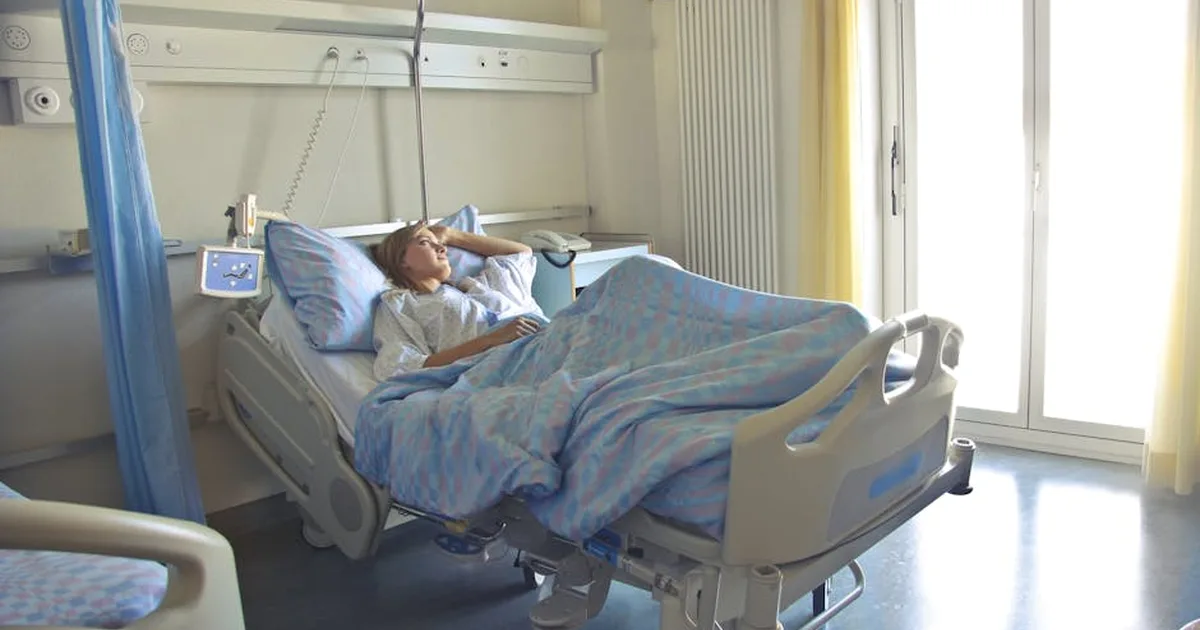
Noelia's story is that of a young woman who fought a degenerative disease for years. In her moments of greatest weakness, Yolanda says her daughter never asked to die; rather, she asked not to be left alone. Yet the medical system, according to the mother, offered euthanasia as an easy way out, without exploring alternatives like palliative care or psychological support. "Noelia didn't want to die; she wanted to live without pain," Yolanda states.
This case has reignited the debate about euthanasia in the Christian world. Is it truly an act of mercy to shorten the life of someone who suffers? Or is it a sign that we have failed as a society by not providing the necessary accompaniment? The Bible reminds us that life is a gift from God, and our calling is to care for the most vulnerable, not to dispose of them.
"You shall not murder" (Exodus 20:13, NIV).
"The Lord brings death and makes alive; he brings down to the grave and raises up" (1 Samuel 2:6, NIV).
Euthanasia: Solution or Abandonment?
Euthanasia laws, passed in several countries, are presented as an option for those suffering from terminal illnesses or unbearable pain. However, critics like Yolanda Ramos point out that in practice, it can become pressure on patients to "choose" to die, especially when resources for palliative care are limited.
In Noelia's case, her mother recounts that doctors never offered a comprehensive care plan. "They only talked about euthanasia as the only way out," Yolanda says. This experience is not isolated. Studies show that in countries where euthanasia is legal, patients often feel they are a burden to their families and choose death so as not to "bother."
What Does the Bible Say About Suffering?
Scripture does not promise a life without pain, but it does assure us that God is with us in the midst of trials. The apostle Paul wrote: "Therefore we do not lose heart. Though outwardly we are wasting away, yet inwardly we are being renewed day by day" (2 Corinthians 4:16, NIV). Suffering has a purpose in God's plan: it shapes us, draws us closer to Him, and enables us to comfort others.
Jesus himself experienced the deepest pain on the cross. He did not flee from suffering, but faced it with love and trust in the Father. As Christians, we are called to imitate that example, accompanying the sick until the end, without seeking shortcuts that end life.
The Church's Role in Caring for the Sick
The Christian community has a crucial responsibility: to be the presence of Christ for those who suffer. This means not only praying but also acting. Visiting the sick, supporting their families, and advocating for healthcare systems that prioritize palliative care are concrete ways to live out the gospel.
"I was sick and you visited me" (Matthew 25:36, NIV). These words of Jesus remind us that service to the weakest is service to Him. The church should be a place where the sick find hope—not a discourse that condemns them nor an indifference that abandons them.
- Promote ministries of accompaniment for the terminally ill.
- Train volunteers in palliative care.
- Offer emotional and spiritual support to families.
- Denounce failures in the healthcare system.





Comments