
In these complex times, our eyes often turn toward regions of the world where conflict seems to prevail. News from the Middle East speaks of tensions, broken negotiations, and human suffering. As a Christian community, we are called to look at these realities not only with the eye of current events, but with the heart of faith that unites us beyond every border.
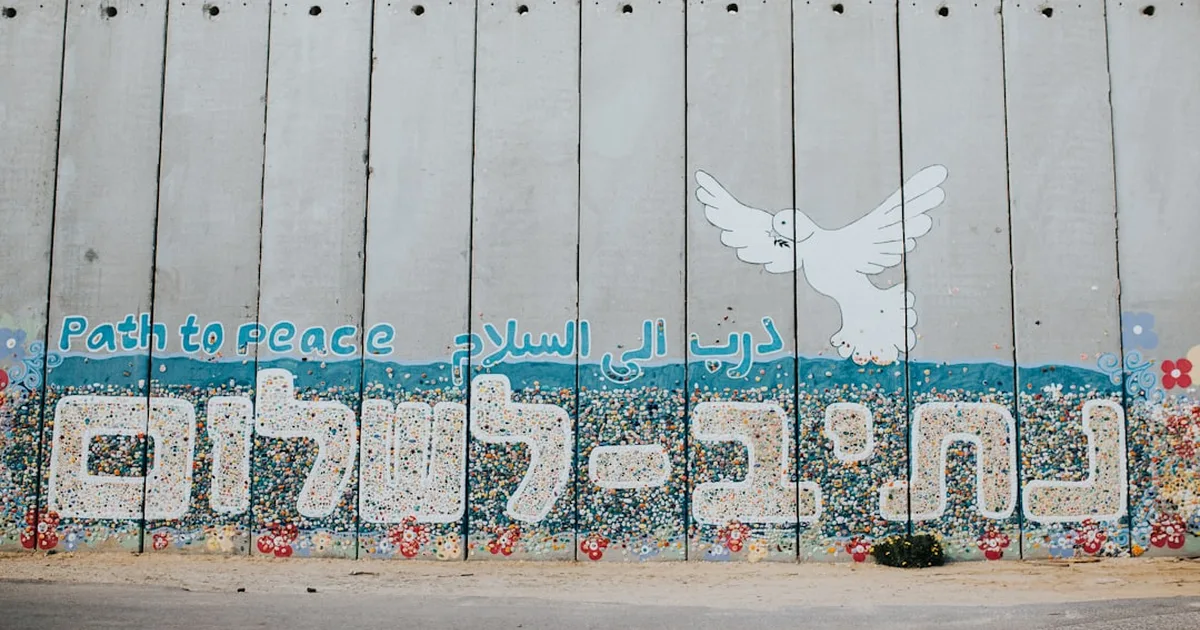
The Voice of Peoples in the Storm
While political leaders debate at negotiation tables, thousands of people live the daily consequences of international tensions. Destroyed homes, separated families, fractured communities: behind every newspaper headline are human stories that deserve our attention and our prayers. The prophet Jeremiah reminds us: "Seek the peace and prosperity of the city to which I have carried you into exile. Pray to the Lord for it" (Jeremiah 29:7). Even when the situation seems distant, our spiritual solidarity can cross any distance.
The Weight of History and the Hope of the Future
Relations between nations are often burdened by painful historical memories. Past events can create distrust that makes present dialogue difficult. Yet as Christians, we believe in the possibility of reconciliation. Saint Paul exhorts us: "If it is possible, as far as it depends on you, live at peace with everyone" (Romans 12:18). This invitation is not only for personal relationships but also challenges us as citizens of the world, called to desire and work for peace among peoples.
The Paths of Diplomacy and the Paths of the Spirit
When diplomatic channels break down, it may seem that all doors have closed. In reality, for those who believe, other paths always remain open. Prayer, respectful dialogue, seeking bridges rather than walls: these are the roads that faith points to. Pope Francis, who left us in April 2025, often reminded us that "peace is a journey of hope, a journey of dialogue, reconciliation and ecological conversion" (Fratelli Tutti, 4). Today, Pope León XIV continues to carry forward this message of concrete hope.
"Blessed are the peacemakers, for they will be called children of God" (Matthew 5:9)
Looking Beyond the Immediate Conflict
International tensions often have multiple dimensions: political, economic, military. But there is also a human and spiritual dimension that we should never forget. Christian communities in the Middle East, often minorities, live these tensions in a particular way, keeping the witness of faith alive in difficult contexts. Their perseverance reminds us that Christian hope does not depend on external circumstances.
Our Response as a Community of Faith
Faced with news of distant conflicts, we might feel powerless. In reality, we have several concrete possibilities:
- Intercessory Prayer: Bringing before God situations of conflict, national leaders, suffering populations
- Responsible Information: Seeking reliable sources and avoiding spreading unverified news
- Support for Humanitarian Organizations: Many Christian agencies operate in crisis zones
- Respectful Dialogue: Speaking about these topics with charity and respect for different opinions
A Journey of Hope
The international situation may appear gloomy, but the light of faith offers us a different perspective. The Psalmist sings: "The Lord is my light and my salvation—whom shall I fear?" (Psalm 27:1). This certainty does not make us indifferent to the world's suffering but gives us strength to look at it with hope and to commit ourselves, in ways possible to us, to building bridges of peace.
Reflection for Daily Life
In these days of global uncertainty, our faith invites us to be peacemakers in our own contexts. Every gesture of reconciliation, every word of understanding, every sincere prayer contributes to weaving a network of hope that transcends borders. As followers of Christ, we carry in our hearts the promise that peace is possible, even when circumstances seem to deny it. Our task is to keep that hope alive and share it with a world that needs it so much.





Comments