
In a world where conflicts seem endless and violence often makes headlines, the life of Dan Berrigan offers a powerful example of what it means to follow Jesus' call to peacemaking. Berrigan, a priest and activist who passed away in 2016, dedicated his life to nonviolent resistance against war and injustice. His witness challenges Christians today to consider how we can embody Christ's peace in our own contexts.
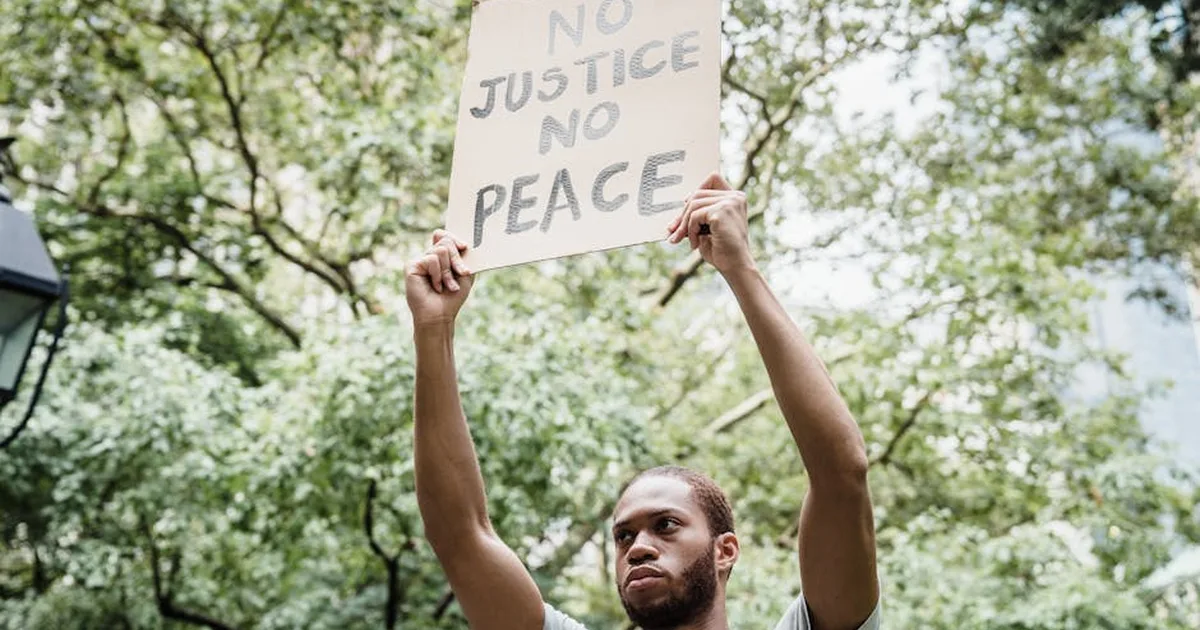
The Roots of a Peacemaker
Daniel Berrigan was born in 1921 in Minnesota, the son of Irish Catholic immigrants. He entered the Jesuit order and was ordained a priest in 1952. His early ministry included teaching and writing, but the Vietnam War transformed his vocation. Inspired by the civil rights movement and the teachings of figures like Mahatma Gandhi and Martin Luther King Jr., Berrigan became a vocal critic of U.S. military involvement in Vietnam.
In 1968, Berrigan and his brother Philip, along with seven others, burned draft files in Catonsville, Maryland, using homemade napalm. This act of civil disobedience landed them in prison but also sparked a movement. For Berrigan, this was not mere protest but a form of prayer—a public witness to the gospel's call to love enemies and reject violence.
"Blessed are the peacemakers, for they shall be called sons of God." — Matthew 5:9 (ESV)
Berrigan's actions were rooted in a deep reading of Scripture. He believed that the Sermon on the Mount was not an idealistic dream but a practical guide for Christian living. His life demonstrated that peacemaking is not passive but requires courage and sacrifice.
Nonviolence as Christian Witness
Berrigan's understanding of nonviolence was not simply a political strategy but a spiritual discipline. He saw it as a way to participate in the redemptive work of Christ, who conquered evil through his own suffering and death. In a 1970 interview, Berrigan said, "The nonviolent person is not a person who is passive. The nonviolent person is a person who is willing to suffer rather than to kill."
This commitment to nonviolence extended beyond war to include issues like nuclear weapons, poverty, and abortion. Berrigan was arrested numerous times for protesting at nuclear facilities and military bases. He believed that all life is sacred and that Christians must stand against the "culture of death" in all its forms.
For Berrigan, the Eucharist was central to his activism. He often celebrated Mass at protest sites, connecting the sacrifice of Christ to the sacrifices demanded of peacemakers. This liturgical grounding kept his activism from becoming merely political; it was always an act of worship.
Lessons for Today's Christians
In an age of ongoing conflicts, from Ukraine to the Middle East, Berrigan's witness remains relevant. How can we, as ordinary Christians, live out a commitment to peace? Berrigan's life suggests several practices:
- Educate ourselves: Learn about the root causes of conflict and the impact of militarism on vulnerable communities.
- Pray for peace: Not just as a vague hope, but as a discipline that shapes our actions.
- Speak out: Use our voices and platforms to advocate for nonviolent solutions, even when it's unpopular.
- Build community: Join with others who share a commitment to peace, as Berrigan did with the Catholic Worker movement and other groups.
Berrigan's approach was not without controversy. Some criticized him for breaking the law or for being too political. Yet he maintained that faithfulness to the gospel sometimes requires civil disobedience. As Acts 5:29 reminds us, "We must obey God rather than men."
A Legacy That Endures
Dan Berrigan died in 2016, but his legacy lives on through the many activists he inspired and the ongoing work for peace. His writings, including poetry and journals, continue to challenge readers to take the gospel seriously. In a world that often resorts to violence, Berrigan's life stands as a testament to the power of nonviolent love.
"Do not be overcome by evil, but overcome evil with good." — Romans 12:21 (ESV)
As Christians, we are called to be ambassadors of reconciliation (2 Corinthians 5:18-20). This means not only praying for peace but actively working for it in our families, communities, and nations. Berrigan's example shows that even a single person, empowered by the Holy Spirit, can make a difference.
Reflection Questions
Take a moment to consider your own response to violence and conflict:
- In what areas of your life do you find it hardest to respond with nonviolence?
- How can your church community become a more effective witness for peace?
- What step can you take this week to promote reconciliation in a relationship or situation?
Let us pray for the courage to follow Jesus, the Prince of Peace, even when the path is difficult. May we, like Dan Berrigan, be willing to suffer for love rather than inflict suffering on others.





Comments