
In recent weeks, as the world watches with concern the tensions in the Middle East, Lebanon is experiencing days of deep suffering. Many families, following the recent ceasefire, have attempted to return to their villages, hoping to find their homes. What they have encountered, unfortunately, has often been a landscape of destruction: buildings reduced to rubble, impassable roads, entire communities uprooted by the violence of clashes. This reality deeply challenges us as Christians, calling us to reflect on the value of peace and our responsibility toward those who suffer.
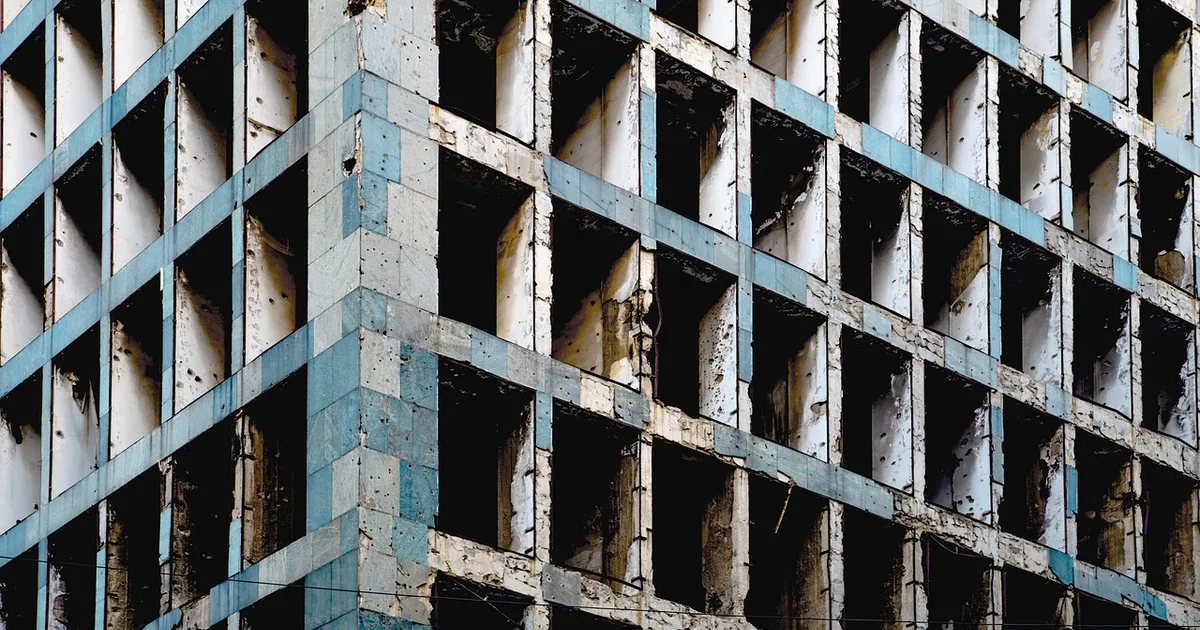
The situation recalls the words of the prophet Jeremiah: "I weep for the mountains and wail for the wilderness pastures. For they are desolate and empty of life; the lowing of cattle is heard no more; the birds and wild animals have all fled" (Jeremiah 9:10, NLT). As then, today we see wounded lands and fleeing peoples, forced to abandon everything that was familiar to them.
Stories of Resilience in the Christian Community
On the outskirts of Beirut, at the Ste-Anne Rabweh Seminary, the Greek Catholic Church has opened its doors to approximately thirty families displaced from the city of Tyre. In this welcoming space, managed with dedication by priests and volunteers, a particular atmosphere is palpable: yes, there is weariness and concern for the future, but also a tenacious hope that surprises.
Marianne Najm, a member of the Focolare community working at the center, shares her observations: "We meet people who have lost everything, who show on their phones images of their destroyed homes. In their eyes we see sadness and uncertainty, but not absolute despair. There is something deeper: a trusting surrender, a faith that prevents them from completely collapsing."
This spiritual resilience reminds us of Saint Paul's exhortation: "We are pressed on every side by troubles, but we are not crushed. We are perplexed, but not driven to despair. We are hunted down, but never abandoned by God. We get knocked down, but we are not destroyed" (2 Corinthians 4:8-9, NLT). Faith, in these contexts, does not eliminate suffering, but offers the strength to go through it without losing one's humanity.
The Daily Work of Solidarity
At the welcome center, daily routine is marked by concrete gestures of closeness. Volunteers from various Christian associations assist the responsible priest in organizing material aid: food distribution, basic healthcare, support for the most urgent needs. At the same time, young people from the movement organize playtime with children, creating spaces of normality amid the chaos.
These activities, seemingly simple, take on a profound meaning: they become opportunities for authentic encounter, dialogue, and relationship building. In a context where everything seems temporary and uncertain, these moments of sharing represent small but significant signs of stability and fraternal care.
Life in Beirut: Apparent Normalcy and Underlying Tensions
In areas of the capital not directly affected by the clashes, life continues with a semblance of normalcy: schools are open, offices function, markets are active. However, this apparent routine hides deep difficulties. Movement is limited, many projects are suspended, and above all, uncertainty about the future weighs heavily.
"We live in a situation that doesn't seem destined to end soon," confides Marianne. "It's an experience that consumes all energy, physical and psychological. We are all extremely tired, both those who welcome and those who are welcomed." This shared weariness creates a particular bond between people, overcoming differences in origin and personal history.
The Psalmist expresses this feeling well: "From the depths of despair, O Lord, I call for your help. Hear my cry, O Lord. Pay attention to my prayer" (Psalm 130:1-2, NLT). Amid fatigue and uncertainty, prayer becomes a refuge and a source of renewed hope.





Comments