
This year marks a significant moment in Canadian Christian history as the Kingston faith community celebrates two centuries of continuous worship and service. What began as a small diocese in 1826 has grown into a vibrant spiritual home for thousands of believers across generations. This anniversary invites us to reflect on how God works through communities over time, establishing foundations that endure through changing seasons. As we consider this remarkable journey, we're reminded that the Church isn't merely buildings or institutions, but living communities of faith that span generations.
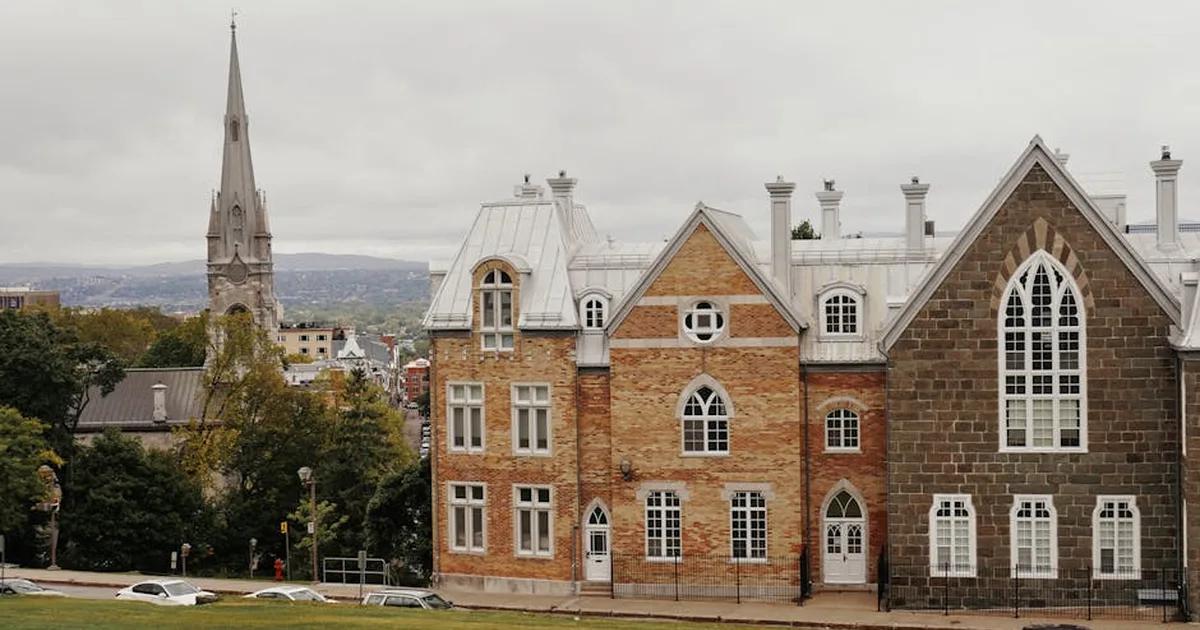
The establishment of this Christian community occurred during a period of significant growth and change in Canada's spiritual landscape. While specific historical details vary between traditions, what remains constant is the faithful witness of believers who gathered, prayed, and served their neighbors through two centuries of Canadian history. Their legacy challenges us today to consider how we're building spiritual foundations for future generations.
Historical Context and Spiritual Significance
Understanding the historical setting helps us appreciate the faithfulness required to establish lasting Christian communities. The early 19th century presented unique challenges for believers across Canada, with vast distances separating communities and limited resources available for ministry. Yet despite these obstacles, faithful Christians persevered in creating spaces for worship, fellowship, and service.
This historical perseverance echoes biblical examples of God's people establishing worship in new places. Consider how the Israelites built altars and places of remembrance throughout their journey, creating markers of God's faithfulness for future generations. Similarly, early Christian communities in the New Testament established gathering places that became centers of spiritual life and outreach.
"Unless the Lord builds the house, the builders labor in vain. Unless the Lord watches over the city, the guards stand watch in vain." (Psalm 127:1, NIV)
This verse reminds us that lasting spiritual work depends ultimately on God's blessing and guidance. The endurance of Kingston's Christian community through 200 years testifies to this truth—that when God establishes something, it endures through changing circumstances and challenges.
Ecumenical Reflections on Christian History
As an ecumenical platform, we recognize that Christian history belongs to all believers, regardless of denominational background. The story of Kingston's faith community represents part of the broader tapestry of God's work in Canada—a story that includes Anglican, Protestant, Catholic, and Orthodox contributions to the nation's spiritual life.
This perspective allows us to celebrate shared Christian heritage while respecting the distinct traditions that have enriched Canada's spiritual landscape. The bicentennial offers an opportunity for believers across traditions to reflect on what we can learn from historical faithfulness and how we might apply those lessons today.
Lessons from Two Centuries of Faithfulness
What can modern Christians learn from communities that have endured for generations? Several key principles emerge from considering long-standing faith communities like Kingston's. First, there's the importance of spiritual foundations—the core beliefs and practices that sustain communities through changing times. Second, there's the value of adaptability—the ability to maintain essential truths while adjusting methods to new contexts.
Third, and perhaps most importantly, there's the power of intergenerational connection. Faith communities that thrive across centuries understand how to pass spiritual heritage from one generation to the next, creating continuity while making space for fresh expressions of faith. This balance between tradition and innovation reflects the living nature of Christian faith throughout history.
The biblical concept of "cloud of witnesses" in Hebrews 12:1 takes on concrete meaning when we consider communities with long histories. We're surrounded not only by contemporary believers but by generations who have walked this path before us, whose faithfulness has helped create the spiritual environment we enjoy today.
Contemporary Relevance and Future Hope
In our rapidly changing world, the endurance of faith communities offers particular encouragement. While technologies, social structures, and cultural norms shift dramatically, the fundamental human need for spiritual connection and meaning remains constant. Communities like Kingston's demonstrate that Christian faith can adapt to new contexts while maintaining its essential character.
This adaptability is rooted in the unchanging nature of God and the timeless relevance of Scripture. As the writer of Hebrews reminds us, "Jesus Christ is the same yesterday and today and forever" (Hebrews 13:8, ESV). This theological truth finds practical expression in communities that maintain their core identity while serving each new generation effectively.
Looking forward, the challenge for established Christian communities is to honor their heritage while remaining responsive to contemporary needs. This requires discernment—knowing what elements of tradition to preserve and what methods to update for effective ministry today. The biblical model of being "wise as serpents and innocent as doves" (Matthew 10:16, ESV) applies here, calling for both practical wisdom and spiritual integrity.
Personal Reflection and Application
As we consider Kingston's 200-year journey, what might this mean for our personal faith and local communities? First, we might reflect on our own spiritual foundations. What beliefs and practices are we building our lives upon, and how might they sustain us through life's challenges? Second, we can consider our role in intergenerational faith transmission. How are we helping pass spiritual heritage to younger believers?
Third, we might examine our commitment to Christian community. In an age of individualism and digital connection, physical faith communities remain vital for spiritual growth and mutual support. The endurance of communities like Kingston's reminds us that there's something irreplaceable about gathering regularly with fellow believers for worship, learning, and service.
"And let us consider how we may spur one another on toward love and good deeds, not giving up meeting together, as some are in the habit of doing, but encouraging one another—and all the more as you see the Day approaching." (Hebrews 10:24-25, NIV)
This anniversary also invites us to consider our own legacy. What spiritual foundations are we laying for those who will come after us? While we may not establish institutions that last centuries, each of us contributes to the ongoing story of God's work in our time and place. Our faithful presence today becomes part of the heritage tomorrow's believers will inherit.
A Question for Reflection
As you think about your own faith journey and Christian community, what practices or values do you hope will endure for future generations? How might you contribute to building spiritual foundations that will support believers long after you're gone?
Conclusion: Celebrating Faithfulness, Embracing Future
The bicentennial of Kingston's Christian community offers more than historical remembrance—it provides living inspiration for believers today. We celebrate God's faithfulness across generations while recognizing our responsibility to continue this legacy in our time. The challenges facing 21st-century Christians differ from those of 1826, but the essential calling remains: to love God, serve neighbors, and bear witness to Christ's transforming grace.
May this anniversary encourage us to deepen our own commitment to Christian community, strengthen our spiritual foundations, and consider how our faithfulness today might bless believers yet unborn. In doing so, we participate in the ongoing story of God's work in Canada and beyond—a story that continues to unfold through ordinary people living out extraordinary faith.
As we close this reflection, let's remember Paul's encouragement to the Philippians: "Being confident of this, that he who began a good work in you will carry it on to completion until the day of Christ Jesus" (Philippians 1:6, NIV). The same God who established Christian communities in Canada's early years continues working through believers today, building His kingdom across generations and traditions.





Comments